3 firefighters killed, 2 injured fighting wildfires near Colorado-Utah border
Three firefighters died and two were injured while fighting wildfires on the Colorado-Utah border. The U.S. Wildland Fire Service reported the incident on Sunday.
Intelligence analysis by Llama 3.3 70B
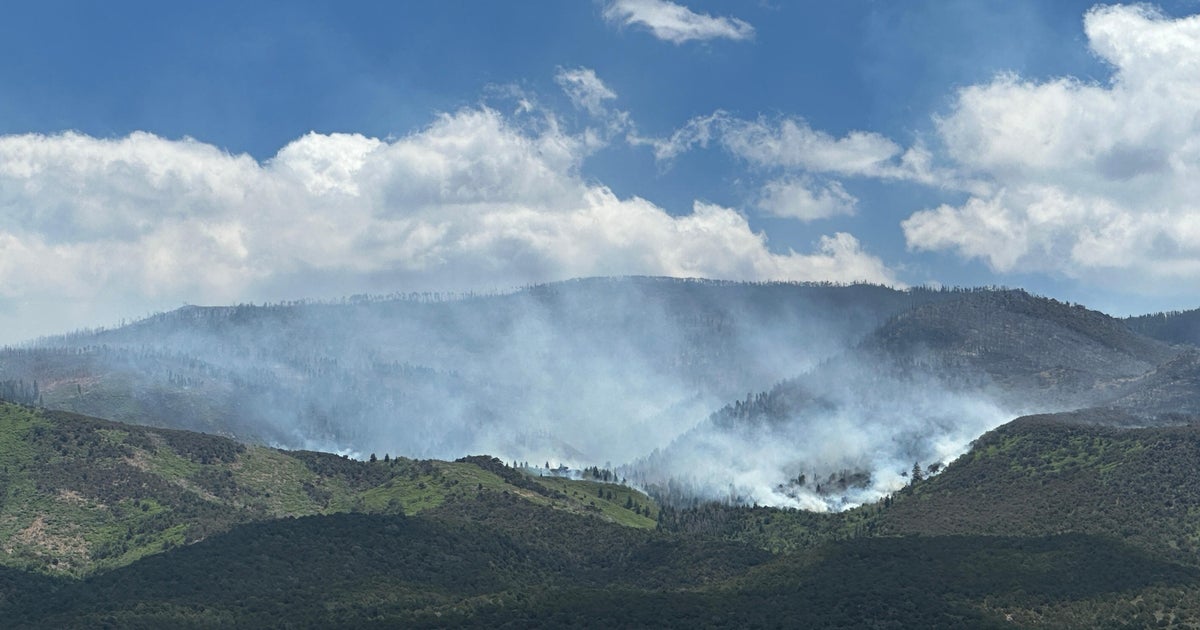
Wildfires in the western United States have intensified, with three firefighters killed and two injured near the Colorado-Utah border. The fires have been fueled by hot, dry, and windy weather.
Imagine a big fire in a dry forest, and firefighters are trying to put it out. But the fire is too strong, and it's hard for them to get close. That's what's happening in the western United States, where big fires are burning and firefighters are working hard to stop them.
Analysis
Intensifying Wildfires in the West
The western United States is experiencing a severe wildfire season, with multiple fires burning across the region. The Knowles and Gore fires on the Colorado-Utah border have been particularly devastating, resulting in the deaths of three firefighters and injuring two others. The U.S. Wildland Fire Service has reported that the firefighters were part of an interagency response to the fires on Saturday.
The wildfires have been fueled by hot, dry, and windy weather, with forecasters issuing red flag warnings for a wide swath of the West. The conditions in Utah have been critical enough for Gov. Spencer Cox to declare an emergency earlier this week and clear the way for the state to ban fireworks ahead of the July Fourth holiday.
Firefighting Efforts and Challenges
The firefighting efforts in the region have been hindered by the rugged terrain and steep slopes, making it difficult to access the areas with heavy equipment. Alyssa Mason, a spokesperson assigned to the fire, stated that the cliffs and steep slopes have made the job even harder, but not impossible. Hundreds of firefighters have been arriving in the arid state to battle new starts as well as those that have been growing due to the critical fire weather.
The National Interagency Fire Center has reported that nearly 3 million acres have burned since the start of the year, which is more than the 10-year average. The danger is even higher this year due to Utah's record-low snowpack and its warmest winter on record. State officials have said that over the past week, Utah has seen an increase in wildfire starts, with each fire showing unprecedented behavior.
Regional Response and Support
The regional response to the wildfires has been significant, with multiple states declaring emergencies and authorizing the use of the National Guard to tackle the fires. Colorado Gov. Jared Polis declared an emergency on Saturday, and authorized the use of the National Guard to support the firefighting efforts. The U.S. Wildland Fire Service has also been working closely with the USDA Forest Service to provide support and resources to the affected areas.
Key points
- Three firefighters killed and two injured while fighting wildfires on the Colorado-Utah border
- Wildfires in the western United States have intensified due to hot, dry, and windy weather
- The U.S. Wildland Fire Service has reported that nearly 3 million acres have burned since the start of the year
The firefighting efforts in the region are expected to continue, with multiple states and agencies working together to contain the fires. The use of the National Guard and other resources may help to bring the fires under control, and the ban on fireworks in Utah may help to prevent new fires from starting.
The wildfires in the western United States may continue to spread and intensify, due to the hot, dry, and windy weather. The rugged terrain and steep slopes may make it difficult for firefighters to access the areas, and the risk of new fires starting may remain high. The region may experience a long and challenging wildfire season.