3 Words From Fed Chair Kevin Warsh Suggest the Worst Is Yet to Come for Wall Street
Fed Chair Kevin Warsh's repeated use of the phrase "dose of accommodation" indicates the central bank views monetary policy as not yet restrictive, signaling more aggressive rate hikes are likely, which could negatively impact the AI-driven bull market.
Intelligence analysis by Gemini 2.5 Flash

Despite a four-year AI-driven bull market and new highs for major indices, persistently high inflation, fueled by "Trumpflation" and AI infrastructure costs, has prompted the Fed to raise interest rates. Fed Chair Kevin Warsh's specific language suggests the central bank believes further rate hikes are necessary, signaling potential headwinds for Wall Street.
Imagine the economy is like a car, and the Fed is like the driver trying to keep it from going too fast (which is called inflation, when prices go up too much). The Fed boss, Kevin Warsh, used a special phrase that means he thinks they haven't pressed the brakes hard enough yet, so they might press them even harder. This could make it tougher for big companies that borrow money to grow, especially those building fancy AI computers, which might slow down the stock market party.
Analysis
The recent commentary from Fed Chair Kevin Warsh has sent a clear, albeit unsettling, message to Wall Street regarding the future trajectory of monetary policy. Despite the S&P 500 and Nasdaq Composite reaching new highs in an AI-driven bull market, underlying inflationary pressures are proving more stubborn than anticipated. The article highlights that the market's ability to "climb the proverbial wall of worry" by downplaying inflation may be coming to an end, with Warsh's words serving as a stark reminder of the central bank's commitment to price stability.
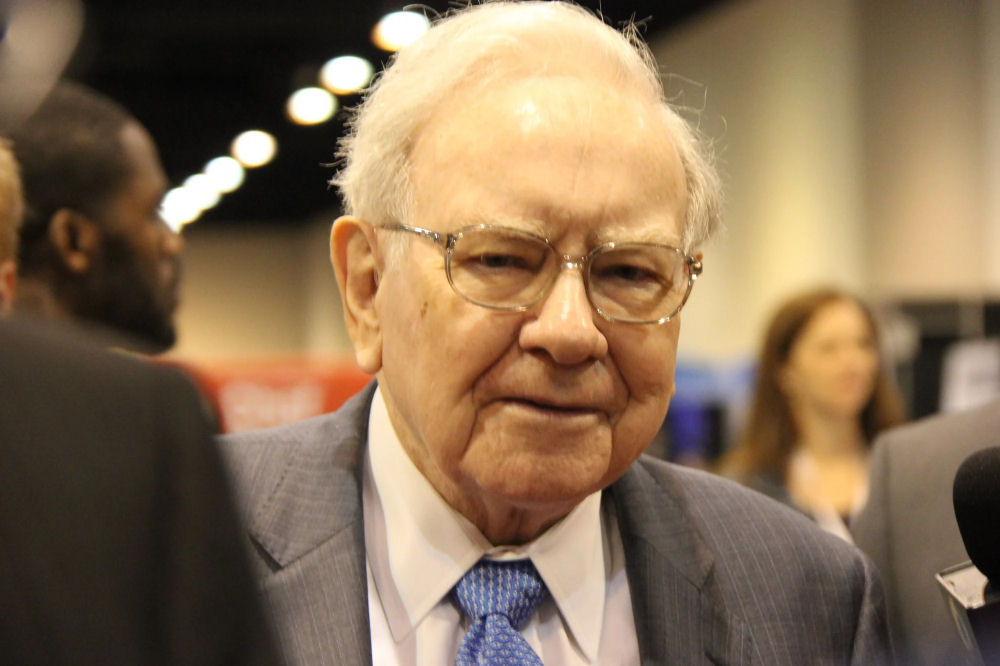
Kevin Warsh
Fed Chair Kevin Warsh's choice of words following the September Federal Open Market Committee (FOMC) meeting is central to the article's analysis. His repeated use of the three-word phrase, "dose of accommodation," on three separate occasions, is interpreted as a deliberate signal. This phrasing suggests that Warsh and his FOMC colleagues do not yet consider current monetary policy to be restrictive enough to effectively combat inflation. By implying that more "doses" can be removed, Warsh is signaling that the Fed is prepared to continue its rate-hiking cycle aggressively. This stance directly contradicts any market hopes for a swift pivot or a pause in rate increases, indicating a prolonged period of tightening is on the horizon.
This hawkish outlook from a key Fed official is particularly significant because it comes after the FOMC unanimously voted to raise interest rates by 25 basis points to 3.75%-4.00% in September. The article emphasizes that this was only the fourth rate-hiking cycle undertaken by the Fed this century, underscoring the gravity of the current economic situation. Warsh's critical assessment of inflation, despite acknowledging the strength of the job market, reinforces the Fed's primary focus on achieving its long-term 2% inflation target, even if it means further economic tightening.
September PPI Inflation
The article points to recent inflation data, specifically the September Producer Price Index (PPI), as a key driver behind the Fed's concerns. Headline PPI rose unexpectedly to 6.3%, surpassing expectations of 5.3%, while core PPI increased to 5.0%, above the anticipated 4.4%. These figures represent the second-highest PPI levels since November 2022, indicating that inflationary pressures are not only elevated but also accelerating in some areas. This persistent rise in producer prices often translates into higher consumer prices, making the Fed's task of achieving price stability more challenging.
Such elevated inflation metrics directly contradict the market's tendency to "sweep persistently elevated inflation under the rug." The article highlights that while modest inflation is expected during economic growth, the current levels are concerning. The unexpected rise in PPI inflation has led to a sharp increase in the odds of further rate hikes, as indicated by market reactions. This data provides concrete evidence that the Fed's concerns are well-founded and that their actions are a direct response to tangible economic indicators, rather than mere speculation.
AI Infrastructure Build-Out
The article identifies two primary forces fueling the current elevated inflation: "Trumpflation" and the ongoing AI data center build-out. "Trumpflation," attributed to President Donald Trump's policies, including tariffs and the ongoing Iran war, is directly lifting consumer prices. Simultaneously, the massive capital expenditure on AI infrastructure, which is partly financed by debt, is contributing to inflationary pressures. AI hardware companies are enjoying "otherworldly pricing power," leading to increased prices for essential components like chips and memory used across various tech devices.
This combination of geopolitical factors and technological investment creates a complex inflationary environment with "no quick fix." The reliance on debt to finance the AI infrastructure build-out makes this sector particularly vulnerable to rising interest rates. If borrowing costs continue to climb, the article suggests that AI growth projections are likely to taper. Given that the current stock market is described as the "second-priciest in history," there is "simply no margin for error." The confluence of these factors, coupled with the Fed's hawkish stance, paints a pessimistic picture for the future performance of Wall Street, especially for the high-growth, debt-dependent AI sector.
Key points
- Fed Chair Kevin Warsh's repeated phrase "dose of accommodation" suggests monetary policy is not yet restrictive.
- This implies the Federal Open Market Committee (FOMC) is likely to pursue more aggressive interest rate hikes in late 2026 and throughout 2027.
- Persistently elevated inflation, driven by "Trumpflation" and AI infrastructure costs, is a key concern for the Fed, as evidenced by the September PPI.
- An aggressive rate-hiking cycle would negatively impact the AI-driven bull market by increasing borrowing costs for debt-financed infrastructure.
- The current stock market is described as the second-priciest in history, leaving little margin for error amidst rising interest rates.
While the immediate outlook is challenging, Fed Chair Warsh's emphasis on price stability as foundational to economic growth suggests that successful efforts to curb inflation could eventually lead to a more sustainable and robust market environment. A return to the Fed's 2% inflation target, though potentially painful in the short term, is presented as a necessary step for long-term economic health.
The repeated signals from Fed Chair Warsh suggest an aggressive rate-hiking cycle is likely to ramp up, which would be detrimental to the AI-driven bull market. Increased borrowing costs could cause AI growth projections to taper, and given the market's high valuation, there is little room for error, implying significant downside risk for Wall Street.
Market signals
- ^GSPC Aggressive rate hikes are expected to negatively impact the broader market, especially the highly valued AI-driven bull market.
- ^IXIC The tech-heavy index is particularly vulnerable to rising borrowing costs due to the debt-financed AI infrastructure build-out.
AI-generated analysis of potential market relevance. Not financial advice.