5 alternatives to Ledger to store your Bitcoin
Recent security breaches involving hardware wallets like Ledger and Coldcard have prompted a search for alternative crypto storage methods, each with its own set of risks and benefits.
Intelligence analysis by Gemini 2.5 Flash
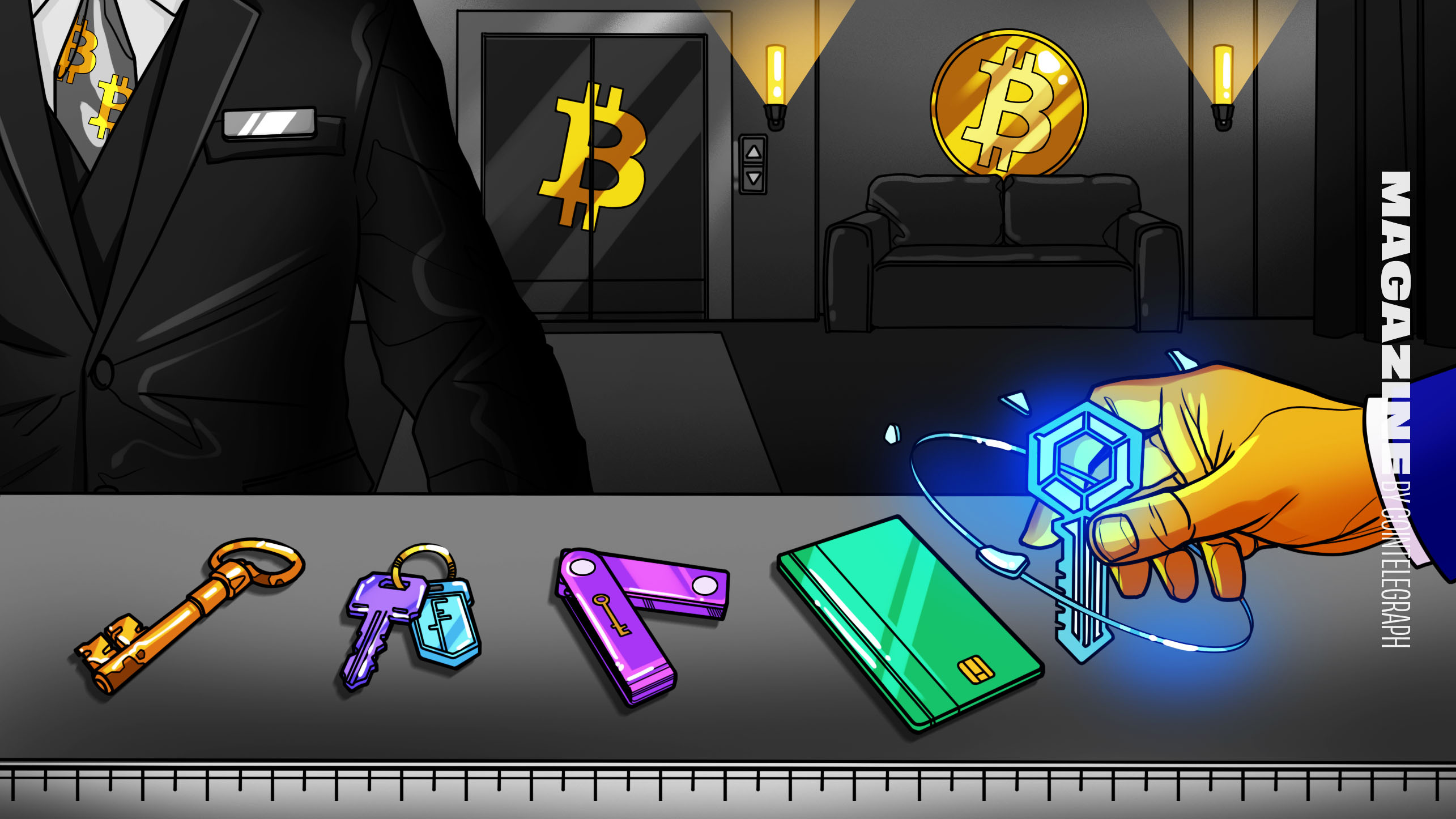
Following incidents where over $200 million in crypto was stolen from compromised hardware wallets, the article explores five alternatives to traditional hardware wallets for storing Bitcoin. These options, ranging from crypto ETFs to multisig wallets, aim to address the growing concerns about physical attacks and device vulnerabilities, though each introduces new trade-offs.
Imagine your special money is stored in a super-safe box, but sometimes even those boxes can have problems, like a tricky lock or someone trying to steal the whole box. This story talks about other ways to keep your special money safe, like letting a big bank hold it for you (like a piggy bank at a grown-up bank), or using a special password on your phone that only your finger or face can unlock, or even having a few friends each hold a piece of the key so no one person can open the box alone. Each way has its own good parts and tricky parts.
Analysis
Recent security incidents involving popular hardware wallets, specifically Ledger and Coldcard, have significantly eroded trust among cryptocurrency holders. These breaches, which led to over $200 million in stolen crypto, occurred despite users following best practices like purchasing from official sources and correctly storing seed phrases. The article underscores that even diligent users face risks beyond their immediate control, including supply chain vulnerabilities and physical attacks, such as the alarming frequency of 'wrench attacks' in France. This situation necessitates a re-evaluation of traditional crypto storage methods and a deeper look into diverse alternatives.
Crypto ETFs
One prominent alternative discussed is the use of crypto Exchange-Traded Funds (ETFs). While not a direct method of storing crypto, ETFs allow investors to gain exposure to digital assets like Bitcoin through a regulated financial product. This approach offloads many direct ownership responsibilities, such as seed phrase management and wallet backups, to a centralized custodian. Ophelia Snyder of 21Shares suggests ETFs are suitable for many due to tax, estate planning, and security benefits, despite the trade-off of not directly owning the underlying asset. PlanB, creator of the Bitcoin stock-to-flow model, publicly endorsed his move to ETFs in 2025, citing 'peace of mind' after the hardware wallet incidents.
Passkey-based Wallets
Passkey-based wallets offer a modern approach to crypto access, leveraging cryptographic credentials stored on devices like smartphones, often secured by biometrics or PINs. Unlike hardware wallets, they don't require a dedicated offline device for key storage, potentially offering a smoother user experience. Options like Coinbase Wallet’s Smart Wallet, Clave, and Infinex are emerging in this space, particularly for smart contract-enabled chains. However, these wallets are not without their drawbacks; losing a device or passkey can still pose significant problems, and users must carefully examine backup and recovery mechanisms, especially concerning reliance on third parties. Adam Back of Blockstream has raised concerns about the security of such wallets if a passkey is compromised.
Multisig Wallets
Multisignature (multisig) wallets represent another robust alternative, requiring multiple keys to authorize a transaction. A common setup involves a 2-of-3 scheme, where three separate signers hold keys, but only two are needed to approve a transaction. This method significantly reduces the risk associated with a single compromised or lost key, as control is distributed. Companies like Casa offer multisig custody solutions that combine hardware wallets, mobile phones, and a key held by Casa. Many large Ethereum projects utilize Safe wallet (formerly Gnosis Safe) for treasury management, highlighting its utility for shared control. Despite their enhanced security, multisig arrangements can introduce complexities, such as the need for signers to remain available and potential vulnerabilities in smart contract code, alongside slower transaction approval times.
Key points
- Recent security breaches in hardware wallets like Ledger and Coldcard have led to over $200 million in stolen crypto, shaking user confidence.
- Physical attacks on crypto holders, such as 'wrench attacks,' are increasing, highlighting the risks of hardware wallet reliance.
- Crypto ETFs offer an alternative by allowing exposure to digital assets through a financial product, removing direct key management but introducing third-party custody risks.
- Passkey-based wallets provide device-secured access without dedicated hardware, but users must consider device loss and recovery mechanisms.
- Multisignature (multisig) wallets enhance security by requiring multiple keys for transactions, distributing control but potentially slowing transfers and introducing smart contract risks.
The exploration of diverse crypto storage alternatives suggests a maturing ecosystem focused on user security and resilience. Innovations like passkey-based wallets and robust multisig solutions offer more flexible and potentially more secure ways for users to manage their digital assets, reducing reliance on single points of failure inherent in some traditional hardware wallets.
Despite the benefits, each alternative introduces new risks, such as trusting centralized custodians with ETFs, device loss or third-party reliance with passkeys, and coordination challenges or smart contract vulnerabilities with multisig setups. These trade-offs mean that users must remain vigilant and carefully assess the security implications of their chosen storage method.