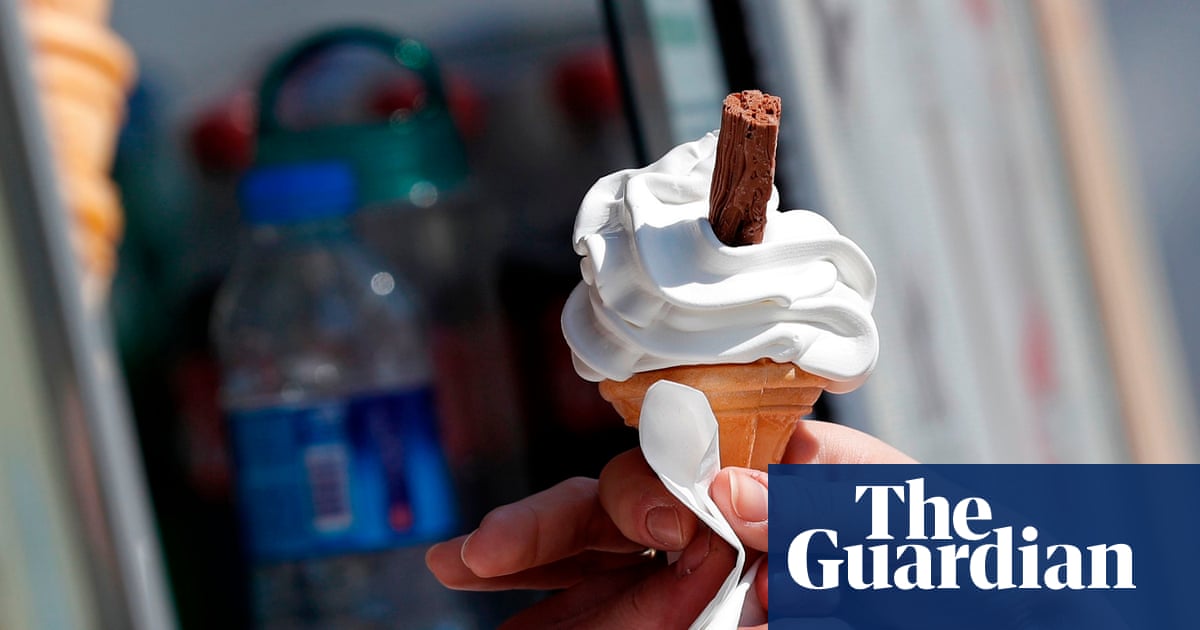
‘A 99 with a Flake? That will be £7, please’: what’s behind the surge in ice-cream van prices?
A survey of 2,000 British parents found they are spending £50 a kid on ice-cream over the six-week summer holidays this year. The average cost of a 99 is £2.65, but some vendors are charging £7 for one scoop with a flake.
Intelligence analysis by Llama
The surge in ice-cream van prices is due to rising costs of milk, chocolate, diesel, and electricity, making it an expensive treat for families this summer.
Imagine you're at the beach and you see an ice-cream van. You really want a cold treat, but the van is charging a lot more money than usual. This is because the cost of making ice-cream, like milk and chocolate, is going up. It's like when you go to the store and see that your favorite snack is more expensive than usual. It's the same thing with ice-cream vans.
Analysis
A £50 Treat for Kids: The Reality of Ice-cream Prices This Summer
The recent survey of 2,000 British parents by Aldi reveals a shocking truth: families are spending an average of £50 a child on ice-cream over the six-week summer holidays this year. This is a staggering increase from previous years, and it's not just the cost of the ice-cream that's the issue. The average cost of a 99 is £2.65, but some vendors are charging as much as £7 for one scoop with a flake. This is a clear indication of the rising costs of producing and selling ice-cream, which is being driven by the climate crisis and energy shocks.
The Climate Crisis and Ice-cream: A Perfect Storm
The climate crisis is having a devastating impact on the production and sale of ice-cream. Milk and chocolate are among the five most climate-impacted foods, according to a recent report from the Energy and Climate Intelligence Unit thinktank. This means that ice-cream vans need to keep products cool and travel around at a time of rising diesel and electricity prices. The result is a perfect storm of high costs and low supply, making it an expensive treat for families this summer.
A Treat for All Classes: The History of Ice-cream
But hasn't ice-cream always been pricey? Not everywhere. In Naples, it was a popular treat for all classes in the 18th century. The 'penny licks' - reusable glasses customers licked and returned - democratised ice-cream as a street treat in Britain in Victorian times, though you might get a free cholera topping, according to an 1879 medical report. This history of ice-cream as a treat for all classes is a stark contrast to the reality of today's high prices.
Key points
- A survey of 2,000 British parents found they are spending £50 a kid on ice-cream over the six-week summer holidays this year.
- The average cost of a 99 is £2.65, but some vendors are charging £7 for one scoop with a flake.
- The surge in ice-cream van prices is due to rising costs of milk, chocolate, diesel, and electricity.
- The climate crisis and energy shocks are affecting the production and sale of ice-cream.
- Ice-cream was a popular treat for all classes in Naples in the 18th century.
If the climate crisis and energy shocks can be addressed, the prices of ice-cream may decrease, making it a more affordable treat for families. Additionally, innovations in sustainable ice-cream production and distribution could lead to more cost-effective options.
If the climate crisis and energy shocks continue to worsen, the prices of ice-cream may continue to rise, making it an even more expensive treat for families. This could lead to a decrease in demand for ice-cream, affecting the livelihoods of ice-cream vendors and producers.