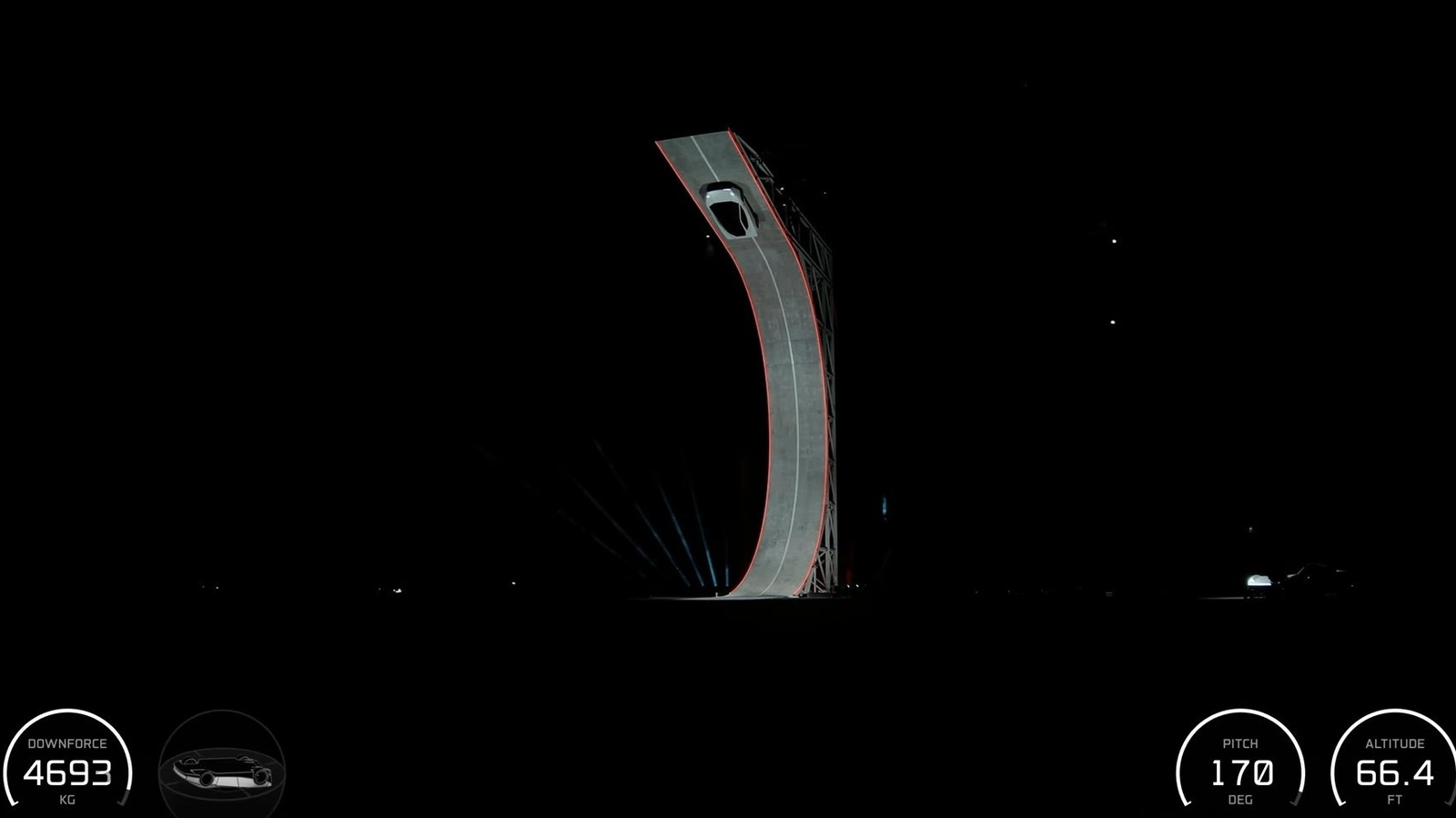
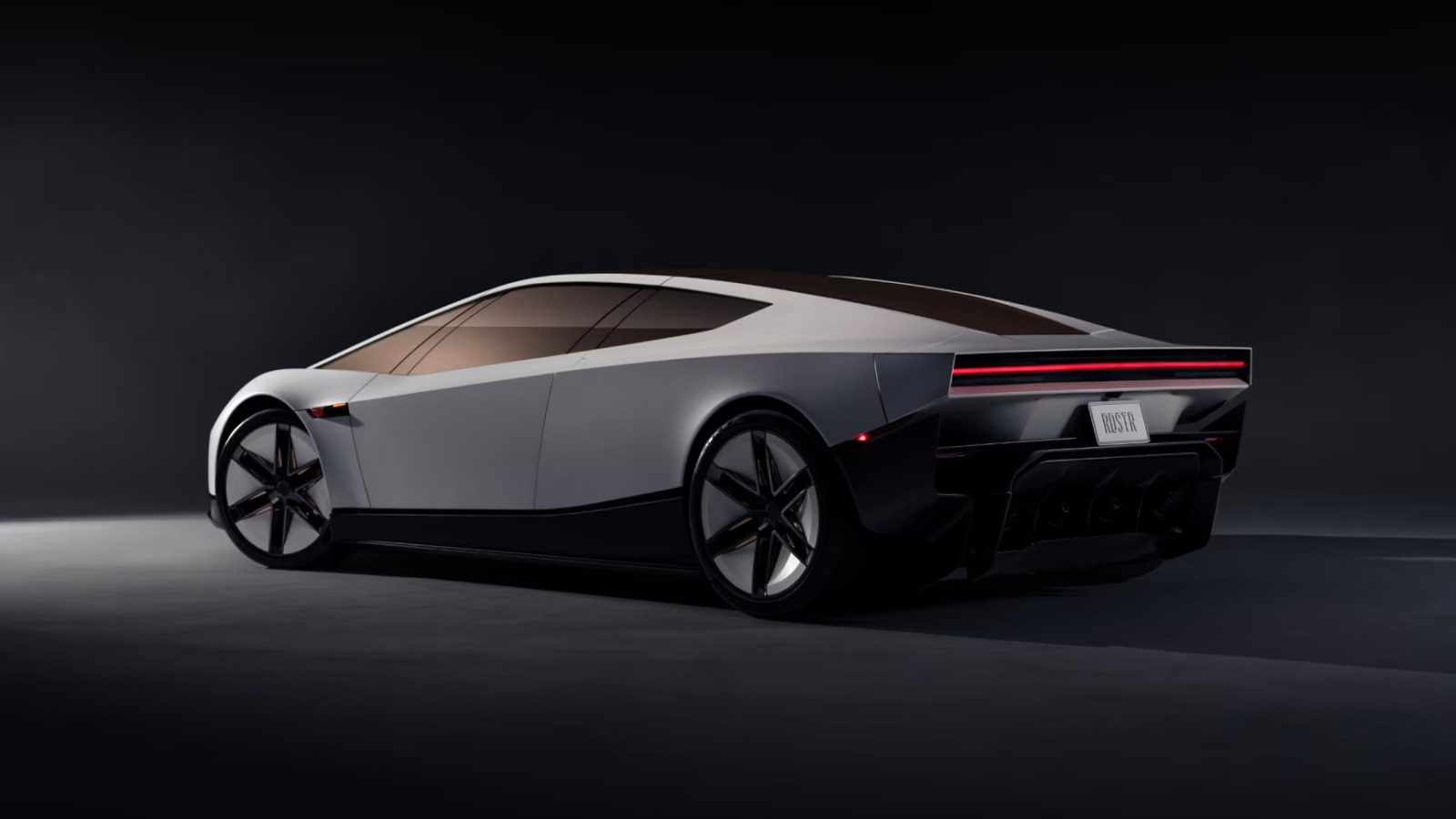
A Tesla Flying Car? I Don’t Know, Man
Tesla demoed a flying version of its Roadster 2, but aviation experts say it likely won't be legal in all jurisdictions due to regulatory issues.
Intelligence analysis by Qwen 2.5 (3B)

Tesla demoed a flying version of its Roadster 2, but aviation experts say it likely won't be legal in all jurisdictions due to regulatory issues.
Tesla showed off a flying version of its Roadster 2 car, but it might not be legal in all places because of rules from the FAA. The car would need special permission to fly and might only work on private land.
Analysis
Regulatory Hurdles
The FAA has jurisdiction over any machine that leaves the surface of the earth, and catching air in the Tesla Roadster 2 would likely involve plenty of government permissions and red tape. According to Scott Miller, an airline pilot and a lecturer in the Aviation and Technology program at San José State University, the vehicle “is going to introduce a whole set of regulatory issues.”
Legal and Practical Concerns
Getting the certification for the vehicle could take at least a year, and obtaining a recreational aviation license would be required for any Tesla owner piloting the vehicle. Launching from the road to the air would fall under state or local rules, and many places do not look kindly on the concept of sudden aircraft intrusions on their streets and highways. Drivers might only be able to operate the vehicle on a large, private piece of land.
Engineering Challenges
Miller, an aviation expert, found the demo impressive, but noted that true flying cars have struggled to find the balance of power versus weight. The physics-led contradiction at the heart of the idea makes it difficult to create a car that is both safe and durable enough to operate on roads and also capable of flying.
Key points
- Tesla demoed a flying version of its Roadster 2
- The FAA has jurisdiction over any machine that leaves the surface of the earth
- Getting certification for the vehicle could take at least a year
If the Tesla Roadster 2 does make it into production, it would be a significant engineering and production feat.
The FAA might not approve the vehicle, and it could be years before it is allowed to fly.