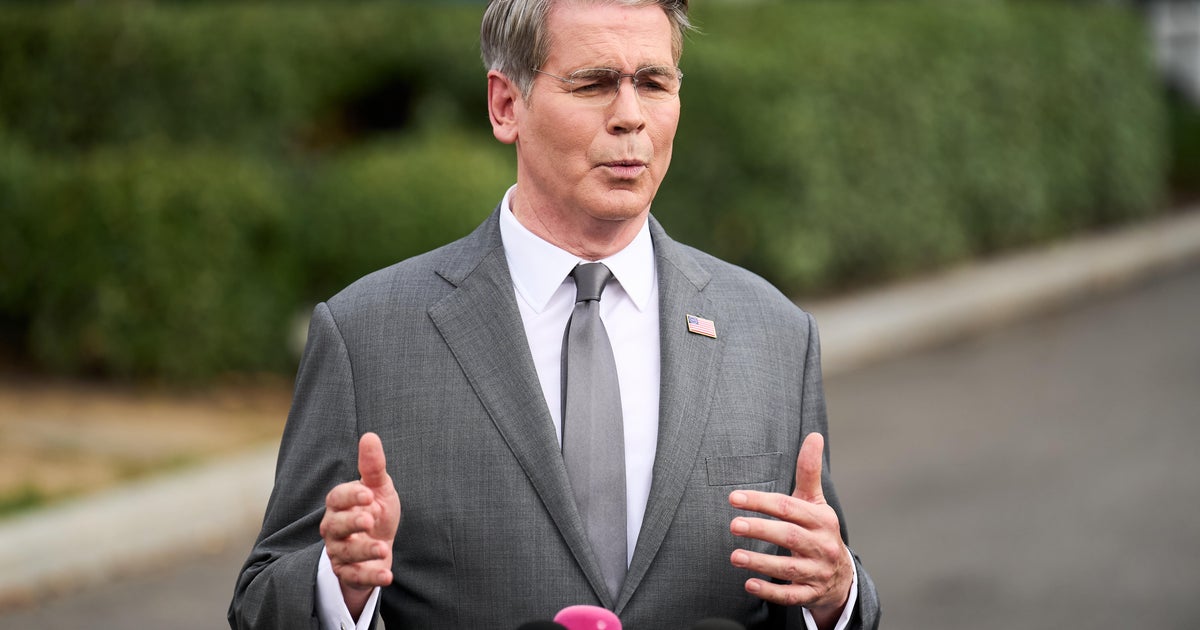
Acting Attorney General Todd Blanche Issues Order Rescinding 'Anti-Weaponization Fund'
Acting Attorney General Todd Blanche issued an order rescinding plans to create a $1.8 billion fund meant to compensate allies of President Trump. The order came after Republican Senators Thom Tillis and John Cornyn threatened to block Blanche's confirmation for the perma…
Intelligence analysis by Llama
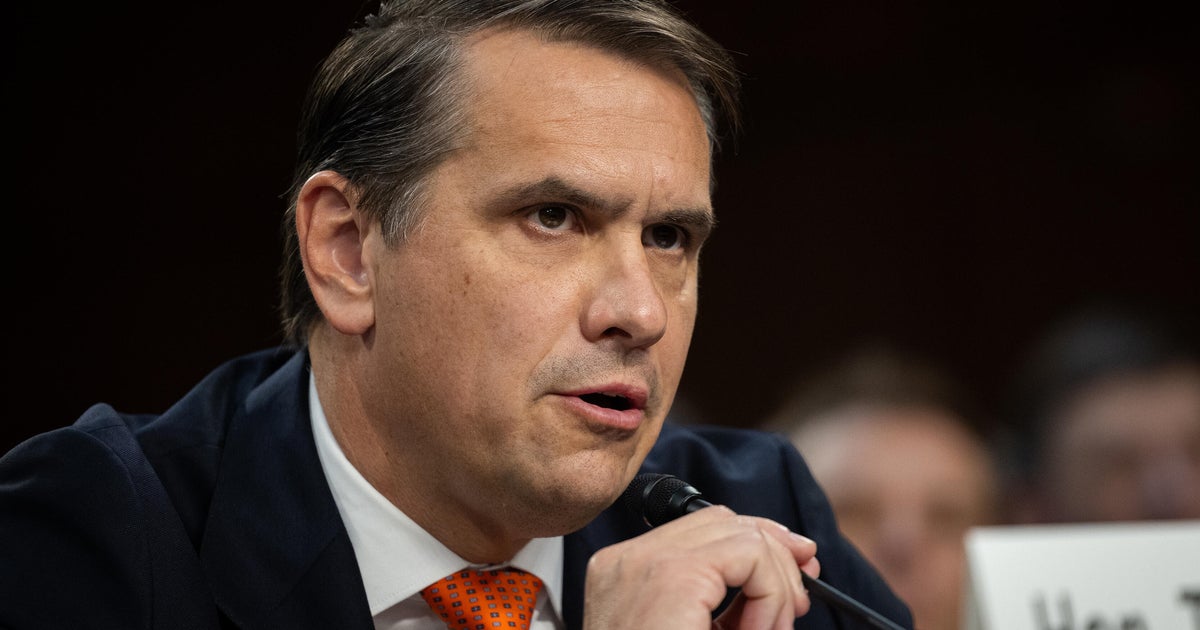
Acting Attorney General Todd Blanche issued an order rescinding plans to create a $1.8 billion fund meant to compensate allies of President Trump. The order came after Republican Senators Thom Tillis and John Cornyn threatened to block Blanche's confirmation for the permanent position to lead the Justice Department.
Imagine you're playing a game where you have to follow the rules. The 'anti-weaponization fund' was like a special rule that said if you were treated unfairly by the government, you could get some money. But now, the person in charge of the rules has said that rule doesn't exist anymore. This is important because it affects how people are treated by the government and how the country is run.
Analysis
A $60B Vote of Confidence
The order rescinding the 'anti-weaponization fund' is a significant development in the ongoing saga of President Trump's allies seeking compensation for perceived political persecution. The fund, which was valued at $1.8 billion, was meant to provide financial support to individuals who claim they were targeted by the previous administration. However, the order issued by Acting Attorney General Todd Blanche has effectively killed the fund, at least for now.
Why Cursor?
The order was issued in response to threats from Republican Senators Thom Tillis and John Cornyn to block Blanche's confirmation for the permanent position to lead the Justice Department. The senators had expressed concerns about the fund and its potential impact on the country. By rescinding the fund, Blanche has effectively addressed their concerns and paved the way for his confirmation.
The Road Ahead
The order rescinding the 'anti-weaponization fund' has significant implications for the country. It affects the compensation of allies of President Trump and has the potential to impact the country's politics. The order has also sparked a heated debate about the role of the Justice Department and its relationship with the White House. As the situation continues to unfold, it remains to be seen how the order will impact the country and its politics.
Key points
- Acting Attorney General Todd Blanche issued an order rescinding plans to create a $1.8 billion fund meant to compensate allies of President Trump.
- The order came after Republican Senators Thom Tillis and John Cornyn threatened to block Blanche's confirmation for the permanent position to lead the Justice Department.
- The fund was meant to provide financial support to individuals who claim they were politically persecuted.
- The order has effectively killed the fund, at least for now.
The order rescinding the 'anti-weaponization fund' could lead to a more transparent and accountable government. By addressing the concerns of Republican Senators Thom Tillis and John Cornyn, Acting Attorney General Todd Blanche has shown that he is willing to work with lawmakers to address their concerns. This could lead to a more collaborative and effective government.
The order rescinding the 'anti-weaponization fund' could also lead to a more divided and polarized country. The fund was a contentious issue, and its rescission could exacerbate existing tensions between different groups. Additionally, the order has sparked a heated debate about the role of the Justice Department and its relationship with the White House, which could lead to further conflict.