African Gen Z in Search of a 'New Model of Democracy'
A new survey reveals that African Gen Z prioritizes economic development and employment over traditional democratic values when evaluating foreign partnerships, with China and Russia gaining influence over Western powers.
Intelligence analysis by Gemini 2.5 Flash
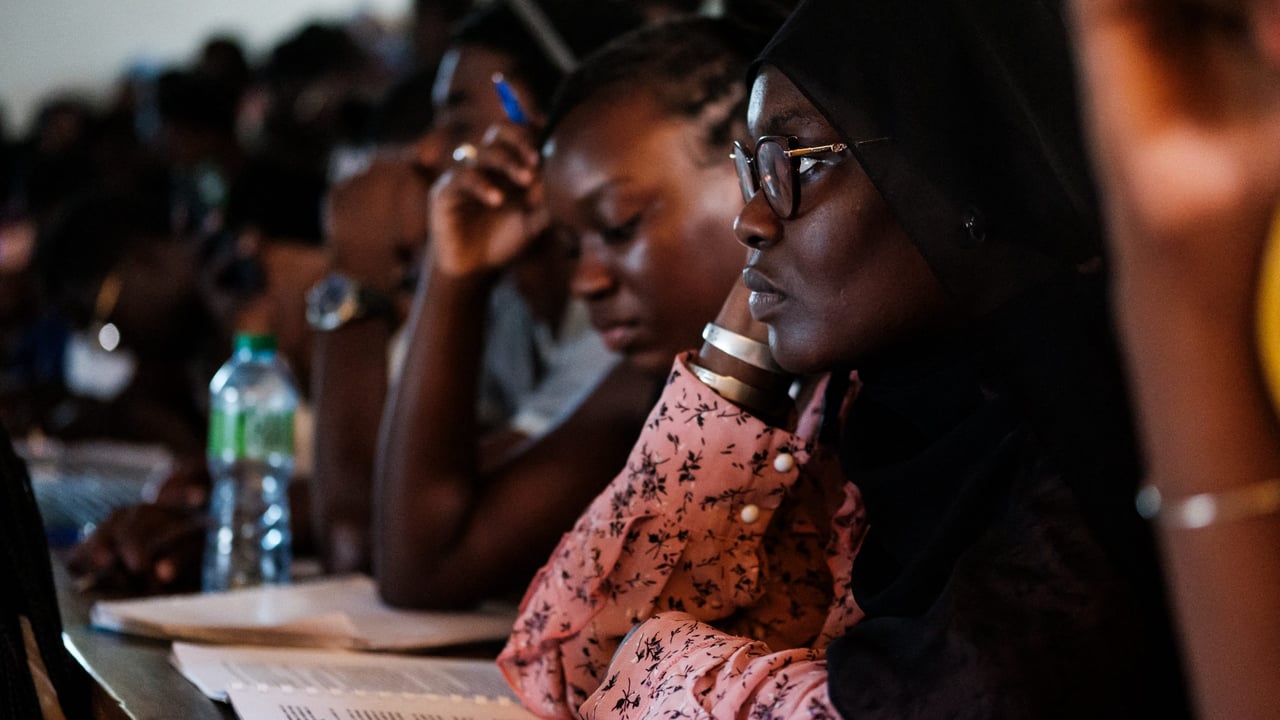
The fourth Africa Youth Survey, conducted among 18-24 year olds in 16 sub-Saharan African countries, indicates a significant shift in priorities for the continent's youth. They value concrete results in economy, employment, and infrastructure from foreign alliances more than democratic values or historical ties, leading to increased influence for non-Western nations.
Imagine you're choosing a new friend for your playground team. Instead of picking the kid who's been your friend the longest or who talks a lot about fairness, you pick the one who actually helps build the best fort or brings the coolest toys to share. That's kind of what young people in Africa are doing with countries around the world. They care more about which countries help build roads, create jobs, and make their lives better, rather than just talking about old friendships or certain ways of running a country.
Analysis
The Africa Youth Survey, a comprehensive poll conducted by PSB Insights for the Ichikowitz Foundation, highlights a profound re-evaluation of international partnerships by Africa's Gen Z. This demographic, aged 18-24 across sixteen sub-Saharan countries, is increasingly pragmatic, prioritizing tangible economic benefits and infrastructure development over traditional democratic values or historical allegiances. The findings suggest a continent whose future leaders are less swayed by ideological alignment and more by demonstrable progress in areas like job creation and economic growth.
François Soudan
François Soudan, the editorial director of Jeune Afrique, emphasized the survey's key takeaway: the paramount importance of concrete results. He noted that the capacity of foreign alliances to deliver on economy, employment, and infrastructure is the primary criterion for African youth, with democratic values and historical ties ranking significantly lower. This perspective explains the shifting perceptions of global powers, where China is now seen as equally influential as the United States, and Russia surpasses France in perceived importance. Soudan also pointed out that 56% of young respondents believe Western-style democracy is unsuitable, advocating for a new, African-centric model.
This sentiment is further underscored by the fact that a larger proportion of youth believe development should precede democracy, and a notable 40% express approval for military regimes, albeit with variations across different nations. Soudan's analysis suggests that these 'sometimes disturbing feelings' warrant serious reflection, given Africa's status as the world's youngest continent with an average age of 19.5 years. The survey, though partial, provides a crucial snapshot of the aspirations that will shape the continent's trajectory.
Burkina Faso
Burkina Faso emerges as a particularly interesting case study within the survey. Despite its recent political instability, the urban youth interviewed in Burkina Faso displayed remarkable optimism, with 83% believing their country is moving in the right direction. This finding stands out against the broader continental trends and suggests that local contexts and specific national narratives play a significant role in shaping youth perceptions. The optimism in Burkina Faso's urban youth could be interpreted as a reflection of a desire for strong leadership and decisive action, aligning with the broader trend of prioritizing development and stability, even if it comes at the expense of traditional democratic processes.
Key points
- African Gen Z (18-24 year olds) prioritize economic results, employment, and infrastructure from foreign partners over democratic values or historical ties.
- The Africa Youth Survey indicates China is as influential as the United States, and Russia is considered more important than France by African youth.
- 56% of young people surveyed believe Western-style democracy is not suitable, advocating for a new African model.
- 40% of respondents approve of military regimes, and more believe development should come before democracy.
- Urban youth in Burkina Faso show high optimism, with 83% believing their country is heading in the right direction.
If these aspirations are met, African nations could forge more effective partnerships focused on tangible development, leading to accelerated economic growth, improved infrastructure, and increased employment opportunities for its burgeoning youth population. This pragmatic approach could foster innovative governance models better suited to local contexts, potentially leading to greater stability and prosperity.
A potential downside is that prioritizing development over democratic values could lead to a weakening of democratic institutions and human rights, potentially paving the way for more authoritarian regimes. This shift might also result in alliances with partners who offer short-term gains but do not align with long-term principles of good governance, potentially creating new forms of dependency or internal instability.