Agriculture Minister directs emergency food aid to Kalabsha village
Egypt's Agriculture Minister Alaa Farouk ordered emergency food aid and logistical support for approximately 750 families in Kalabsha village, Aswan Governorate, including food, poultry, and water system repairs.
Intelligence analysis by Gemini 2.5 Flash
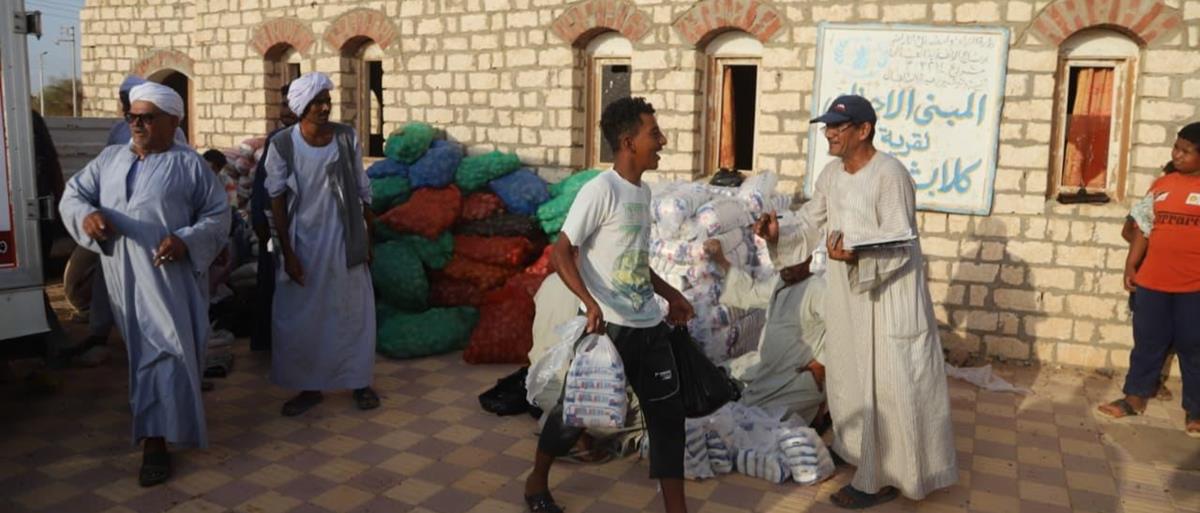
The Egyptian Ministry of Agriculture and Land Reclamation dispatched a comprehensive aid convoy to Kalabsha village, providing essential foodstuffs, poultry, and technical assistance for water infrastructure. This initiative aims to alleviate living burdens and ensure basic services for residents, particularly after the village's administrative transfer to the governorate, with monito…
Imagine a small village where people need help getting food and clean water, especially after some changes in how their town is managed. The big boss of farming in Egypt, Minister Alaa Farouk, sent a special delivery truck full of food like chicken and other groceries, all for free! He also sent engineers to fix the water pumps so everyone can have clean water for drinking and for their farms. They want to make sure everyone is okay and has what they need.
Analysis
The directive from Agriculture and Land Reclamation Minister Alaa Farouk to dispatch emergency aid to Kalabsha village underscores a proactive governmental approach to community welfare in Egypt. This immediate response, following the administrative transfer of the village to the Aswan Governorate, signals a commitment to ensuring continuity of support during transitional periods. The comprehensive nature of the aid, encompassing both food and critical infrastructure repairs, suggests a recognition of multifaceted challenges faced by rural populations.
Alaa Farouk
Minister Alaa Farouk's direct order for the aid convoy demonstrates a top-down commitment to addressing local needs swiftly. His directive ensured that a substantial package of relief, including basic foodstuffs and poultry, was distributed directly and free of charge to approximately 750 families. This hands-on approach from a senior minister highlights the perceived urgency and importance of the situation in Kalabsha. The Ministry's statement emphasized that this action reflects its ongoing commitment to residents, ensuring that the administrative shift does not lead to a lapse in essential services.
Kalabsha Village
Kalabsha village, located in the Aswan Governorate, is the specific beneficiary of this emergency intervention, with around 750 families targeted for assistance. The aid package was designed to meet immediate needs, providing not only food but also crucial support for water infrastructure. An engineering and technical team was included in the convoy to repair non-operational pumping and irrigation systems, aiming to restore clean water supplies and ensure regular irrigation for crops. This dual focus on sustenance and infrastructure is vital for the long-term well-being and agricultural productivity of the village.
Administrative Responsibility
The Ministry's move is explicitly framed within the context of the recent transfer of administrative responsibility for Kalabsha village to the Aswan Governorate. This detail is significant, as it suggests the aid is part of a broader strategy to ensure a smooth transition and prevent any disruption in services for the residents. By maintaining monitoring teams on the ground, the Ministry aims to guarantee that all eligible families receive the necessary food aid and that services are fully restored. This commitment to oversight post-transfer is crucial for building trust and demonstrating governmental accountability to the local populace.
Key points
- Egypt's Agriculture Minister Alaa Farouk directed an emergency food aid convoy to Kalabsha village in Aswan Governorate.
- The convoy provides basic foodstuffs, other commodities, and poultry to approximately 750 families free of charge.
- An engineering and technical team was dispatched to repair non-operational water pumps and irrigation systems.
- The initiative aims to ease living burdens and restore services following the village's administrative transfer to the governorate.
- Monitoring teams will remain on-site to ensure all eligible families receive aid and services are fully restored.
The immediate and comprehensive aid delivery could significantly improve the living conditions for Kalabsha village residents, alleviating food insecurity and restoring essential water services. This proactive government response may foster greater trust between the community and authorities, ensuring stability and demonstrating effective governance during administrative transitions.
While the aid is crucial, it might only be a temporary solution if underlying issues contributing to the village's vulnerability are not addressed long-term. There's a risk that the aid distribution might not reach every eligible family effectively, or that the repaired infrastructure could face future maintenance challenges without sustained support.