AI companies want to water down Australia’s copyright laws. Artists are outraged, Labor is split
AI companies are pushing to water down Australia's copyright laws, sparking outrage from artists. The Labor government is split on the issue.
Intelligence analysis by Llama 3.3 70B
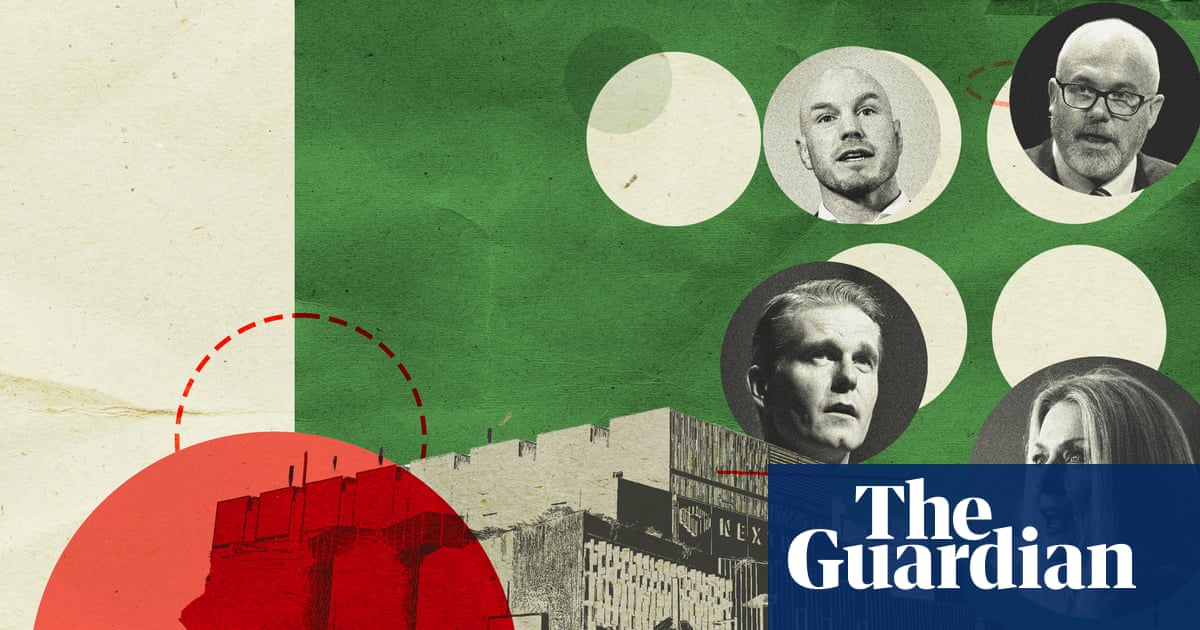
The Australian government is considering changes to copyright laws that could impact the tech industry and creatives.
Imagine you wrote a book, and someone took it and used it to make money without asking you or paying you. That's what's happening with AI companies and copyright laws. The government is trying to figure out how to make it fair for everyone.
Analysis
The Copyright Conundrum
The Australian government is facing a difficult decision on how to balance the needs of the tech industry and creatives when it comes to copyright laws. On one hand, the tech industry is pushing for a carveout in copyright laws that would allow them to scrape content to train their AI models without infringing on copyright laws. This could potentially unlock billions of dollars in foreign investment and create new jobs in the datacentre industry. On the other hand, creatives are fiercely opposed to any changes to copyright laws that could undermine their ability to control their work and earn a living from it.
The government has insisted that it has no plans to grant a 'text and data mining' exemption, but the tech industry is continuing to lobby for changes to the laws. The Productivity Commission has floated the idea of an exemption, and the Tech Council of Australia has appealed for a copyright carveout.
The Creative Sector's Concerns
The creative sector is deeply concerned about the potential impact of changes to copyright laws on their livelihoods. Many artists and writers rely on copyright laws to protect their work and earn a living from it. If the laws are watered down, they fear that they will be unable to control their work and will be unable to earn a living from it. The sector is also concerned about the potential for AI companies to exploit their work without permission or compensation.
The government has started fresh consultation with creatives, media, and tech companies on other options to modernise copyright laws, including a paid licensing model for AI. However, the timeframe for a resolution remains unclear, leaving the tech industry and creatives in the dark.
The Way Forward
The government needs to find a way to balance the needs of the tech industry and creatives when it comes to copyright laws. One possible solution is to introduce a paid licensing model for AI companies that want to use copyrighted material. This would allow AI companies to access the content they need while also ensuring that creatives are fairly compensated for their work. The government also needs to consider the potential impact of changes to copyright laws on the broader economy and society, and to ensure that any changes are in the best interests of all Australians.
Key points
- AI companies are pushing for changes to copyright laws
- The creative sector is opposed to changes to copyright laws
- The government is considering a paid licensing model for AI companies
- The issue is complex and requires a balanced approach
If the government can find a way to balance the needs of the tech industry and creatives, it could lead to significant investment in datacentres and the creation of new jobs. It could also lead to the development of new technologies and innovations that benefit society as a whole.
If the government waters down copyright laws, it could have significant negative impacts on the creative sector and the broader economy. It could also lead to the exploitation of copyrighted material without permission or compensation, which could undermine the integrity of the copyright system.