Andy Burnham supporters divided over who should be his chancellor
Andy Burnham's supporters are divided over who should be his chancellor, with Ed Miliband and Wes Streeting emerging as frontrunners. The choice of chancellor will give a clear sign of how radical Burnham intends to be as prime minister.
Intelligence analysis by Llama 3.3 70B
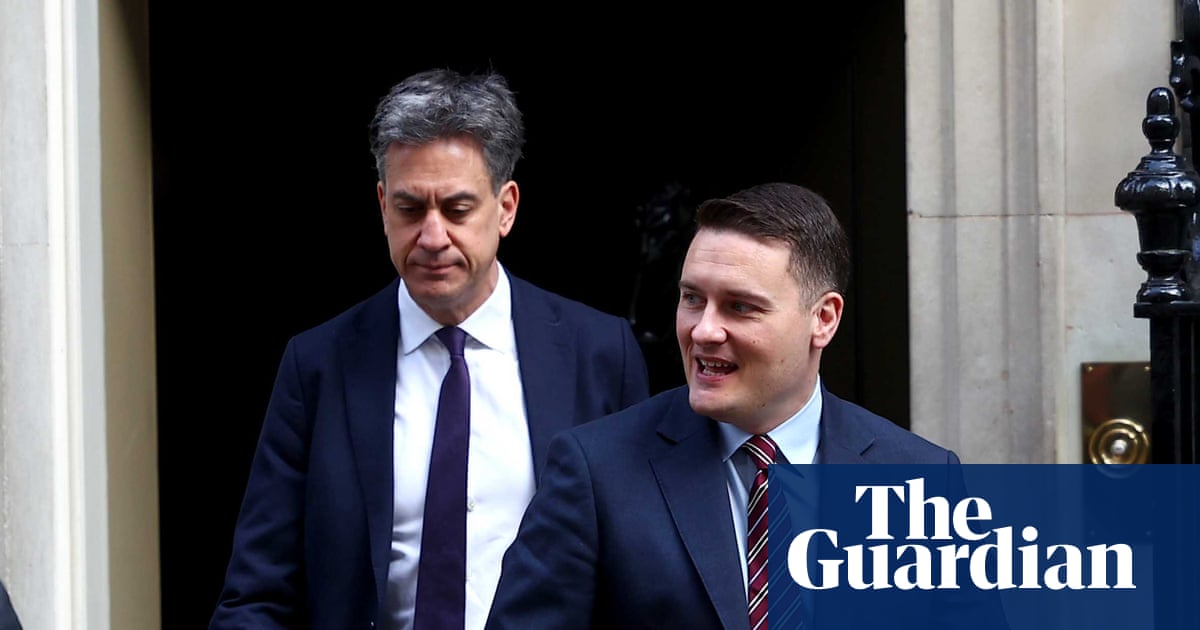
The battle for the chancellor position is underway, with Miliband and Streeting as the top contenders. Burnham's allies are split, with some advocating for Miliband's radical policy ideas and others pushing for Streeting's more moderate approach.
Imagine you're the boss of a country, and you need to choose a special helper to manage the money. That's what's happening with Andy Burnham, who might become the next UK prime minister. He has to choose between two friends, Ed Miliband and Wes Streeting, to be his helper. It's a big decision because it will show what kind of leader he wants to be.
Analysis
The Chancellor Conundrum
The choice of chancellor is a crucial decision for any prime minister, and Andy Burnham's supporters are deeply divided over who should fill the role. Ed Miliband and Wes Streeting have emerged as the top contenders, each with their own strengths and weaknesses. Miliband's experience as energy secretary and his radical policy ideas have won him many admirers, but some worry that his appointment could trigger a bond market shock.
Miliband's allies argue that he is the only candidate with the vision and drive to implement Burnham's more radical policies, such as bringing utilities into public control. They point to his success at the energy department and his ability to get things done. However, others are concerned that his left-wing views and previous arguments for higher borrowing could spook the financial markets.
The Case for Wes Streeting
Wes Streeting's supporters, on the other hand, argue that he is a more moderate and sensible choice for the role. They point to his reputation as a Blairite moderniser and his support for Burnham's deprivatisation agenda. Streeting's allies claim that he has struggled to find differences of opinion with Burnham over economic policies and believes that privatisation has been a failure.
Despite his reputation as a private sector advocate, Streeting's supporters argue that he is willing to listen and adapt to Burnham's vision. They also point to his experience as health secretary and his ability to work with different stakeholders. However, some worry that Streeting's appointment could be seen as a betrayal of Burnham's radical ideals and could alienate some of his core supporters.
The Road Ahead
The battle for the chancellor position is far from over, and Burnham's decision will have significant implications for his leadership style and the UK's economic policy. As he sets out his policy ideas in the coming weeks, all eyes will be on the choice of chancellor and what it says about his vision for the country. Will he opt for the radical and experienced Miliband, or the more moderate and adaptable Streeting? The decision will be a defining moment for Burnham's premiership and will set the tone for his relationship with the business community, the fossil fuel industry, and the financial markets.
Key points
- Andy Burnham's supporters are divided over who should be his chancellor
- Ed Miliband and Wes Streeting are the top contenders for the role
- The choice of chancellor will give a clear sign of how radical Burnham intends to be as prime minister
- Miliband's experience and radical policy ideas have won him many admirers
- Streeting's supporters argue that he is a more moderate and sensible choice for the role
If Burnham chooses a chancellor who shares his vision, it could lead to a more radical and effective economic policy. This could result in significant improvements to public services and a more equitable distribution of wealth. Additionally, a strong and experienced chancellor could help to reassure investors and stabilize the financial markets.
However, if Burnham's choice of chancellor is seen as too radical or inexperienced, it could trigger a bond market shock and destabilize the economy. Additionally, a chancellor who is not fully committed to Burnham's agenda could undermine his leadership and create divisions within the party. This could lead to a loss of public trust and a decline in Burnham's popularity.