Andy Burnham to give regional mayors share of income tax
Prime Minister Andy Burnham will give all mayors of city regions in England a share of income tax revenue for the first time, as part of his drive to transfer power from Westminster to local leaders.
Intelligence analysis by Llama
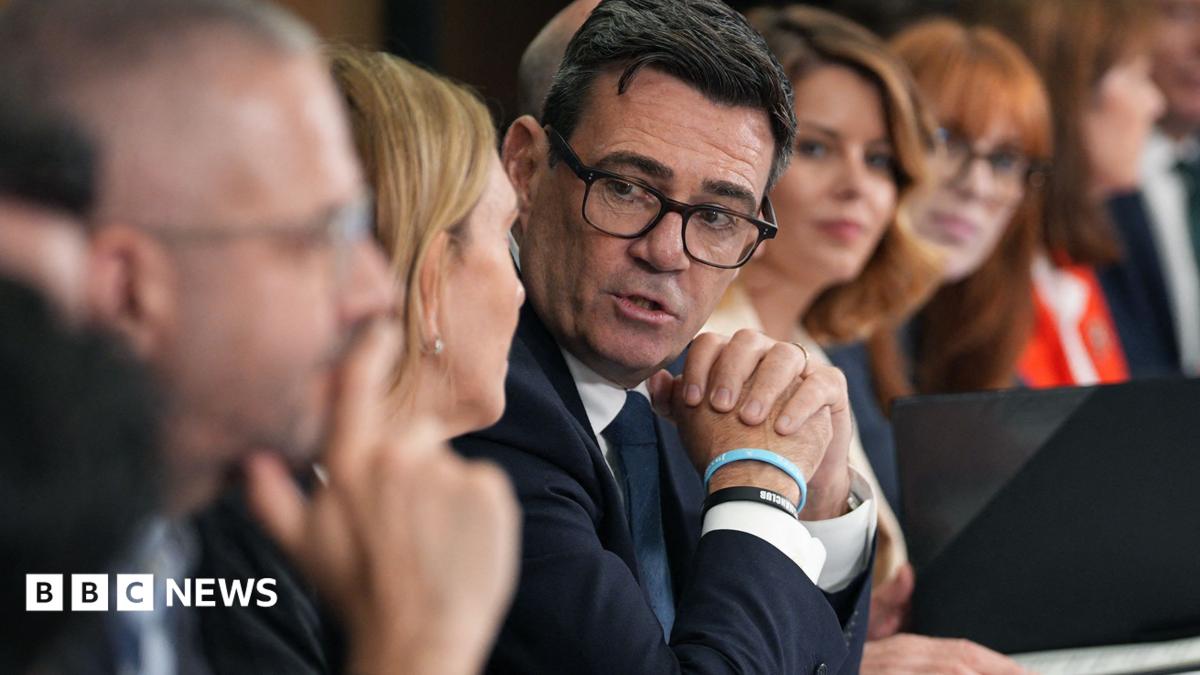
Prime Minister Andy Burnham will give regional mayors a share of income tax revenue, as part of his drive to transfer power from Westminster to local leaders. This move aims to make good on his pledge to 'bring power home' to every postcode in the country.
Imagine you live in a city and you pay taxes to the government. Now, the government is giving some of that money back to the city so it can make decisions about how to spend it and help its people. This is called devolution, and it's a way for cities to have more control over their own finances and make decisions that are best for them.
Analysis
A New Era of Devolution in the UK
The UK government's plans to give regional mayors a share of income tax revenue mark a significant shift in the country's approach to devolution. This move is part of Prime Minister Andy Burnham's drive to transfer power from Westminster to local leaders, with the aim of making good on his pledge to 'bring power home' to every postcode in the country.
The plans, which were announced by the government, will see all mayors of city regions in England receiving a share of income tax revenue for the first time. This is a major departure from the current system, where mayors rely heavily on government grants to fund their activities. The exact portion of taxes mayors will get has not yet been decided, with more details to be announced when Chancellor John Healey delivers his first budget in the autumn.
Opposition parties have raised concerns that the plans lack detail and could lead to areas with weaker economies losing out on funding. However, the government has argued that the move will allow regional leaders to take control of their own finances and make decisions that are best for their local communities.
The Benefits of Devolution
The benefits of devolution are well-documented. By giving local leaders more control over their finances, they are better able to respond to the needs of their communities and make decisions that are tailored to their specific circumstances. This can lead to more effective public services, improved economic outcomes, and a greater sense of community ownership and engagement.
In the case of the UK, the devolution of tax revenue to regional mayors could have significant implications for local economies and public services. By giving mayors more control over their finances, they will be better able to respond to the needs of their communities and make decisions that are tailored to their specific circumstances. This could lead to more effective public services, improved economic outcomes, and a greater sense of community ownership and engagement.
The Challenges Ahead
While the devolution of tax revenue to regional mayors is a significant step forward, there are still challenges ahead. One of the main concerns is that areas with weaker economies may lose out on funding, as they may not be able to generate the same level of tax revenue as more prosperous regions. To address this issue, the government has announced plans to introduce an equalisation system, which will ensure that areas where less tax is collected continue to receive financial support.
Another challenge is the need to ensure that regional leaders have the necessary skills and expertise to manage their finances effectively. This will require significant investment in training and capacity-building, as well as the development of new systems and processes to support the devolution of tax revenue.
Conclusion
The devolution of tax revenue to regional mayors is a significant step forward in the UK's approach to devolution. By giving local leaders more control over their finances, they will be better able to respond to the needs of their communities and make decisions that are tailored to their specific circumstances. While there are still challenges ahead, the benefits of devolution are clear, and the government's plans to introduce an equalisation system and invest in training and capacity-building are a welcome step forward.
Key points
- Prime Minister Andy Burnham will give regional mayors a share of income tax revenue for the first time.
- The move aims to transfer power from Westminster to local leaders and make good on Burnham's pledge to 'bring power home' to every postcode in the country.
- The exact portion of taxes mayors will get has not yet been decided, with more details to be announced when Chancellor John Healey delivers his first budget in the autumn.
- Opposition parties have raised concerns that the plans lack detail and could lead to areas with weaker economies losing out on funding.
- The government has announced plans to introduce an equalisation system to ensure that areas where less tax is collected continue to receive financial support.
If the devolution of tax revenue to regional mayors is implemented successfully, it could lead to more effective public services, improved economic outcomes, and a greater sense of community ownership and engagement. This could also lead to more innovative and responsive local governments, which are better able to meet the needs of their communities.
However, there are also risks associated with the devolution of tax revenue to regional mayors. For example, areas with weaker economies may lose out on funding, and regional leaders may not have the necessary skills and expertise to manage their finances effectively. Additionally, the equalisation system may not be effective in ensuring that areas where less tax is collected continue to receive financial support.