ANU accused of ‘hysterical’ response to students using AI to cheat as unis scramble to ‘secure’ assessments
The Australian National University has been accused of a 'hysterical' response to students using AI to cheat, as tertiary institutions rush to shore up the credibility of assessments.
Intelligence analysis by Llama
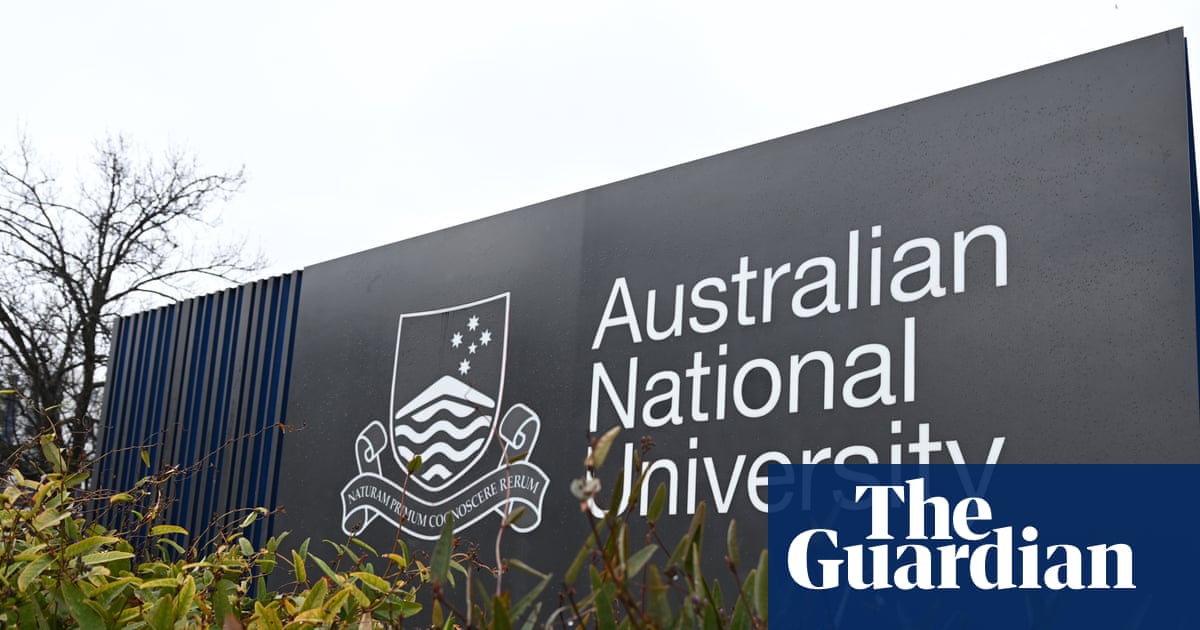
The ANU has released a consultation paper with three options to counter the widespread use of AI, including classifying assessments as 'secure' or 'insecure'. Academics are concerned that the process has been 'panicked' and may unwind progress in making assessments more inclusive for students with a disability or caring responsibilities.
Imagine you're taking a test, but you're using a computer program to help you cheat. This is what's happening with some students using AI to cheat on their exams. Universities are trying to figure out how to stop this from happening, but it's a tricky problem.
Analysis
A Hysterical Response? The ANU's Move to Secure Assessments
The Australian National University has been accused of a 'hysterical' response to students using AI to cheat, as tertiary institutions rush to shore up the credibility of assessments. The ANU has released a consultation paper with three options to counter the widespread use of AI, including classifying assessments as 'secure' or 'insecure'.
The consultation paper has been met with concern from some academics, who argue that the process has been 'panicked' and may unwind progress in making assessments more inclusive for students with a disability or caring responsibilities. 'This is not an earnest consultation, this is a reactionary response, perhaps one would argue a hysterical response,' said one ANU academic. 'We are at a point of panic now. That panic has resulted in proposals that could see inclusion go backwards.'
The ANU's move to secure assessments is part of a broader trend in Australian universities to respond to the growing use of AI. The University of Queensland began implementing new policies to 'secure' its assessments earlier this year, but drew criticism for scheduling in-person oral assessments during night hours and over the weekend. The University of Melbourne is also moving towards a process of 'secure' assessments, with deputy vice-chancellor of education, Prof Gregor Kennedy, saying his institution was looking at more oral assessments as part of its AI response.
The Consequences of Shipping Intellectual Capability Overseas
If we don't address the erosion of the norms and rigour in our education created by AI, we are just shipping our national intellectual capability to companies in California and China,' said Will Bateman, an ANU law professor who leads research projects on the regulation of AI. 'Responding to AI doesn't automatically mean sending students back to exam halls en masse, but we need serious investment in fully-secure devices to ensure that students are actually learning the material we teach and to assure people outside the university that the degrees we issue are meaningful.'
The Road Ahead
The ANU's move to secure assessments is a significant development in the response to the growing use of AI in universities. As the sector continues to grapple with the implications of AI, it is clear that a more nuanced approach is needed. By investing in fully-secure devices and developing more inclusive assessment strategies, universities can ensure that their graduates are equipped with the skills and knowledge needed to succeed in an increasingly complex world.
Key points
- The ANU has released a consultation paper with three options to counter the widespread use of AI in cheating.
- Some academics are concerned that the process has been 'panicked' and may unwind progress in making assessments more inclusive for students with a disability or caring responsibilities.
- The University of Queensland and the University of Melbourne are also moving towards a process of 'secure' assessments.
- Will Bateman, an ANU law professor, warned that if we don't address the erosion of the norms and rigour in our education created by AI, we are just shipping our national intellectual capability to companies in California and China.
If universities can develop effective strategies to counter the use of AI in cheating, it could lead to a more authentic and meaningful learning experience for students. This could also help to restore the value of university degrees and ensure that graduates are equipped with the skills and knowledge needed to succeed in an increasingly complex world.
If universities fail to address the use of AI in cheating, it could lead to a decline in the quality of education and a loss of trust in university degrees. This could also have serious consequences for the future of education in Australia, including the potential for intellectual capability to be shipped overseas.

