Aramco’s petrodollar backing of World Cup leaves stain of sportswashing
Saudi Arabia's state-owned oil giant, Aramco, is the World Cup's energy partner, a move criticized as sportswashing that embeds fossil fuels into global football.
Intelligence analysis by Gemini 2.5 Flash
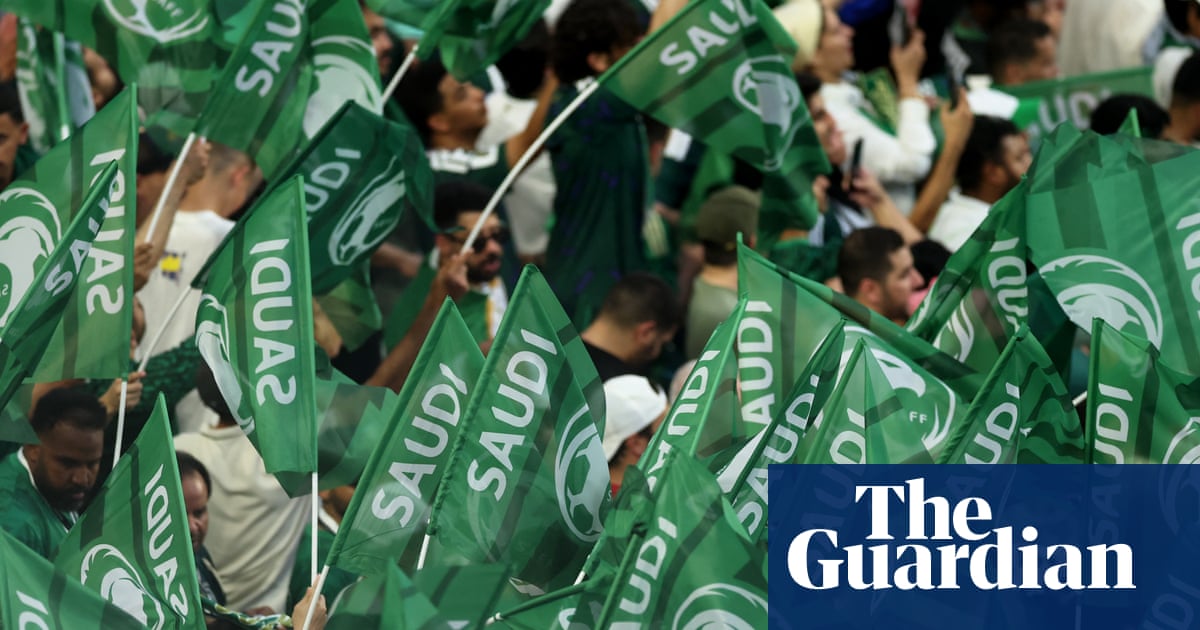
The article highlights how Aramco, the world's largest corporate polluter, uses its sponsorship of the World Cup to normalize fossil fuel reliance. This strategy, termed sportswashing, leverages football's global appeal to improve the company's image and delay the green transition, continuing a long history of industrial capital influencing the sport.
Imagine a huge oil company that makes a lot of pollution wants people to think it's good. So, it pays a lot of money to sponsor the World Cup, a giant soccer tournament everyone loves. It's like a company that sells unhealthy snacks sponsoring a school sports day, hoping you'll just enjoy the game and forget about the less healthy parts of their business.
Analysis
The Petrodollar's Grip on Global Football
Saudi Arabia's state-owned oil company, Aramco, has become the "energy partner" for the World Cup, a move that critics widely condemn as sportswashing. Aramco is identified as the world's single largest corporate polluter, and Saudi Arabia has historically obstructed international climate change negotiations. This sponsorship is not merely a commercial deal; it's a strategic effort to embed fossil fuels as an indispensable part of the world's most popular sport, making it harder to envision a future without them.
The article argues that by associating with a beloved global event like the World Cup, Aramco aims to normalize its operations and present fossil fuels as a "necessary evil." This tactic seeks to justify delaying a green transition by making the public accept the continued burning of fossil fuels as essential for an enjoyable life, including the continuation of major sporting events. The visibility of Aramco's branding at such a high-profile tournament serves to subtly shift public perception and entrench the dominance of fossil capital.
From Industrial Roots to Globalized Capital
The relationship between football and polluting industries has deep historical roots, evolving through distinct periods. Initially, football grew in British society as a tool for worker discipline and became a cultural export of the British empire and capitalism, with early kick-off times linked to factory acts. European industrialism, militarism, and colonialism further spread the sport globally, with industrialization creating the structured conditions necessary for competitions.
The postwar era saw football professionalized and dominated by clubs in industrial cities, often with direct ties to industries like the car manufacturing sector, such as Juventus with Fiat and Wolfsburg with Volkswagen. Economic regulations at the time fostered a more distributed elite landscape. However, this changed dramatically with the globalization of football in the 1990s, marked by the establishment of the Champions League and Premier League, which opened the sport to new forms of fossil capital investments, primarily benefiting the biggest clubs in attractive cities.
Sportswashing's Role in Delaying Green Transition
The current landscape of elite men's football in Europe is characterized by a singular path to the top: investment from a petrostate. Clubs like Chelsea, Manchester City, and Paris Saint-Germain achieved elite status through significant petrodollar injections from figures like Roman Abramovich, Sheikh Mansour, and Qatar Sports Investments. This trend further locks in the carbon intensity of the sport, making fossil fuels a crucial, almost inherent, component of global culture.
Despite widespread understanding of climate change and the threat posed by fossil fuels, fossil capital remains robust. The article posits that sportswashing, through sponsorships and club ownership by petrostates and oil magnates, plays a critical role in this persistence. Each such investment, event sponsorship, or airline logo on a player's shirt reinforces the embeddedness of fossil capital, making it increasingly difficult for fans and the wider public to imagine the game, and indeed the world, without it. This acceptance, the article concludes, is precisely what Aramco aims to achieve with its World Cup backing.
Key points
- Aramco, Saudi Arabia's state-owned oil company and the world's largest corporate polluter, is the World Cup's "energy partner."
- This sponsorship is viewed as 'sportswashing,' aiming to improve Aramco's image and normalize fossil fuel use despite climate change concerns.
- The article traces football's historical ties to industrial capital, from British factory acts to modern petrodollar investments in elite clubs.
- Petrostate investments are now the primary route for clubs to enter European football's elite, further entrenching fossil fuels in the sport.
- The goal of sportswashing is to make fossil fuels seem like a "necessary evil," delaying the green transition by making them appear indispensable to global culture and enjoyment.
The article suggests that Aramco's sponsorship deepens the sport's reliance on fossil fuels, making it harder to transition to greener alternatives and potentially delaying crucial climate action. This embedding of fossil capital could lead to a continued normalization of polluting industries, undermining efforts to combat climate change.