Archana Puran Singh’s son Aaryamann was bullied, faced racism in UK: ‘I remember crying on pitch’
Aaryamann Sethi, son of actors Archana Puran Singh and Parmeet Sethi, shared his experience of facing racism and bullying while pursuing a football career in England, which was ultimately cut short by two severe leg fractures.
Intelligence analysis by Gemini 2.5 Flash
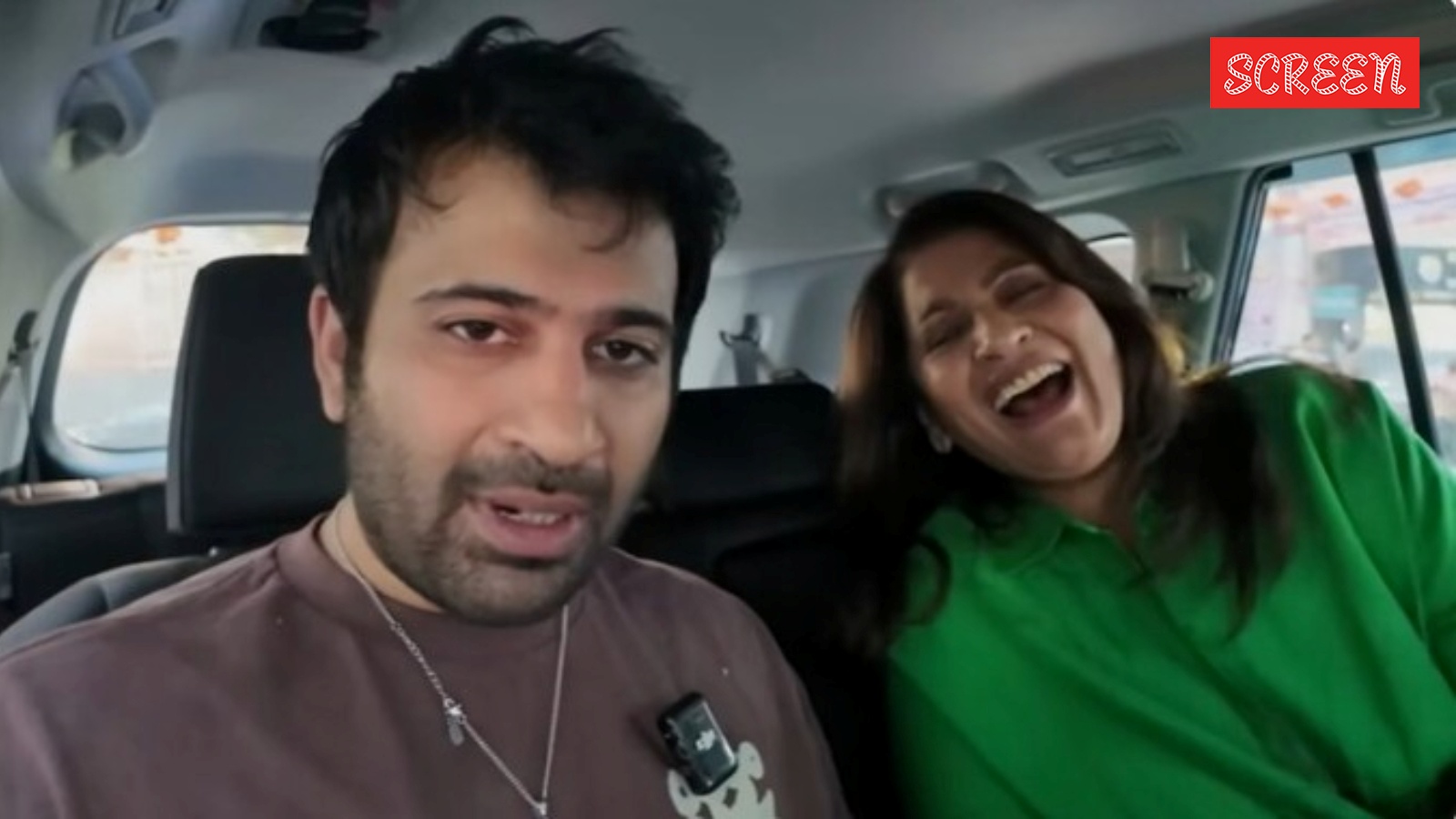
Aaryamann Sethi moved to England at 14 with dreams of becoming a professional footballer, even training alongside a young Raheem Sterling. However, his time there was marred by isolation, racist taunts, and bullying from other boys. His aspirations were eventually shattered by two serious leg fractures, forcing him to abandon his football ambitions.
Imagine a kid named Aaryamann who loved playing football and dreamed of becoming a star player, so he moved to England when he was just 14. But it wasn't easy; some kids were mean to him because he was from India, and he felt very lonely. Then, he broke his leg not once, but twice, which made it too hard for him to keep playing football, and he had to give up his big dream.
Analysis
Aaryamann Sethi, the son of prominent Indian actors Archana Puran Singh and Parmeet Sethi, embarked on a journey to England at the tender age of 14, driven by the ambition to become a professional footballer. His early experiences in the sport were notable, as he recalled training at an academy where he even encountered a young Raheem Sterling, a player who would later achieve significant international fame. Sethi initially impressed during trials, leading to an offer to join the academy provided he continued his education in England, a commitment his family supported by sending him to boarding school.
England
Moving to England presented significant personal and cultural challenges for Aaryamann. He described feeling isolated at boarding school, far from his family and familiar surroundings. More distressingly, he recounted experiencing bullying and racist remarks from his peers. These taunts often questioned his Indian background, with some boys making stereotypical comments about India, such as asking if he was a prince or if he traveled on elephants or donkeys. Sethi noted that this bullying extended to the football pitch, where he was purposely targeted with physical aggression and verbal abuse. He gradually learned to navigate these hostile interactions, recognizing the intense atmosphere and cycle of bullying prevalent among young players.
January 2011
Just as Aaryamann was beginning to adapt and improve his performance in England, his football dream was abruptly derailed by a series of severe injuries. He first suffered a hairline fracture in his tibia while playing rugby at school, necessitating a return to India for recovery. After being cleared to play again, he sustained a second, far more serious injury to the same leg during his first game back, with the bone breaking into three pieces. This second fracture, occurring in January 2011, was a critical turning point. Sethi reflected on the devastating timing, as his teenage years were crucial for player development, and these setbacks meant he was 'going backwards' during a vital growth period. Despite undergoing surgery and extensive rehabilitation, the cumulative impact of the injuries led him to conclude that he could not return to professional football.
Key points
- Aaryamann Sethi moved to England at 14 to pursue a professional football career, training at an academy where he encountered Raheem Sterling.
- He faced significant bullying and racist remarks from other boys, including taunts about his Indian background and physical aggression on the field.
- His football aspirations were cut short by two severe leg fractures, the second of which broke his tibia into three pieces in January 2011.
- The timing of the injuries during his crucial teenage development years made a return to professional football impossible.
- Sethi's experience highlights the isolation and challenges young athletes can face when pursuing dreams abroad.
Despite the setbacks, Aaryamann's journey highlights the resilience required to pursue ambitious dreams, even when faced with significant adversity. His ability to gradually learn to respond to racist remarks without letting them define him demonstrates personal growth and strength.
The article underscores the harsh realities of pursuing professional sports abroad, including the prevalence of racism and bullying, and the devastating impact that serious injuries can have on a young athlete's career and mental well-being.