Arrest of Hokkaido Shimbun Reporter in Sakhalin, Russia: 'Quiet Diplomacy' Needed for Early Return
A Hokkaido Shimbun reporter, Yuki Imai, was arrested in Sakhalin, Russia, on espionage charges by the FSB, prompting calls for Japan to engage in 'quiet diplomacy' to secure his swift and safe return.
Intelligence analysis by Gemini 2.5 Flash
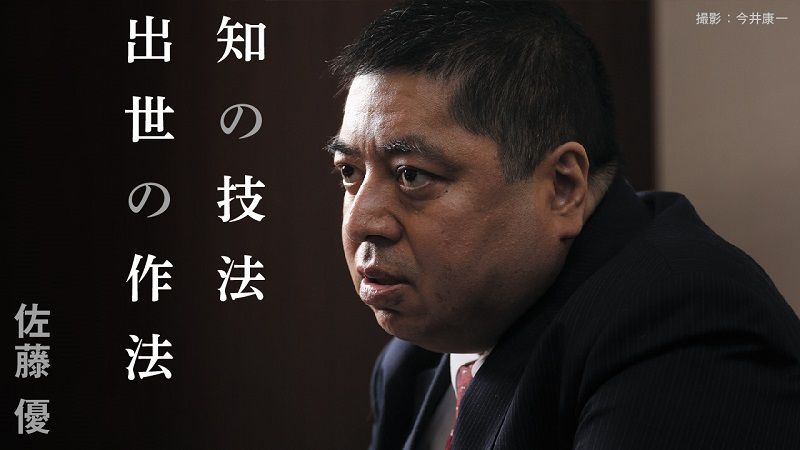
The article, penned by former diplomat Masaru Sato, analyzes the arrest of a Japanese journalist in Russia, emphasizing that while the FSB accuses him of spying for investigating military mobilization, such information gathering is a legitimate journalistic activity. Sato advocates for a calm, analytical approach from the Japanese government to navigate the situation and prioritize th…
Imagine a Japanese reporter named Yuki Imai was in Russia, trying to find out how many people from some islands were joining the army. Russia's police, called the FSB, arrested him, saying he was a spy. But a smart writer, Masaru Sato, says the reporter was just doing his job, like any news person would. Now, Japan needs to talk to Russia very, very quietly and carefully, like solving a puzzle without making a fuss, to bring Yuki home safely.
Analysis
The arrest of Hokkaido Shimbun reporter Yuki Imai by Russia's Federal Security Service (FSB) on October 13, 2026, on espionage charges, marks a critical juncture in Japan-Russia relations and press freedom. Imai, who was officially registered as a resident reporter in Sakhalin, was accused of gathering information on the number of residents from the Kuril Islands mobilized or volunteered for military operations in Ukraine, allegedly under the direction of Japanese intelligence. This development has immediately raised concerns in Japan regarding the safety of its citizens abroad and the freedom of the press.
Yuki Imai
Yuki Imai's detention and subsequent transfer to Moscow, where a court approved a two-month remand, places him at the center of a high-stakes diplomatic challenge. The article underscores that the Japanese government's paramount concern must be to ensure Imai's life and physical safety, and to facilitate his earliest possible return to Japan. This priority necessitates a careful and measured response, distinguishing between the FSB's public accusations and the actual evidence required to substantiate espionage charges.
The author, Masaru Sato, a former chief analyst at the Ministry of Foreign Affairs, argues that investigating the realities of military mobilization in sparsely populated islands is a crucial function of journalism, given its significant impact on local communities and economies. He questions whether the mere act of collecting information that might have military value automatically constitutes a crime, especially when no concrete evidence linking Imai to intelligence agencies has been publicly presented by the FSB.
FSB
The FSB's public announcement of Imai's arrest was accompanied by the release of video footage, a common tactic used by security agencies to demonstrate their effectiveness and legitimize their actions. However, the article cautions against accepting such footage as conclusive proof of guilt, emphasizing that it represents only the information selected and presented by the investigating authority. It is crucial to separate confirmed facts from speculation when analyzing the incident.
While the FSB may perceive the information Imai was reportedly gathering as having military significance, the article stresses that this perception alone does not establish criminal culpability. The core issue lies in proving what specific information was obtained, how it was acquired, and to whom it was allegedly provided, to determine if it crosses the line from legitimate journalism to espionage. The author advises against immediately labeling the entire incident as a political conspiracy solely based on the video's release.
Masaru Sato
Masaru Sato advocates for a strategy of 'quiet diplomacy' from the Japanese government, suggesting that a 'low-key' approach is essential for a successful resolution. This involves calmly interpreting Russia's statements and carefully assessing the tasks and interests of the various state organs involved in the case. Public outcry or aggressive diplomatic posturing, while emotionally understandable, could potentially complicate efforts to secure Imai's release.
Sato's counsel stems from his extensive experience in international relations, highlighting the need for a nuanced understanding of the motivations behind Russia's actions. By focusing on discreet negotiations and a pragmatic assessment of the situation, Japan can better position itself to achieve its primary goal: the safe and timely repatriation of its citizen. This approach aims to prevent the incident from escalating into a broader diplomatic confrontation that could further jeopardize Imai's situation.
Key points
- Hokkaido Shimbun reporter Yuki Imai was arrested in Sakhalin, Russia, on October 13 by the FSB on espionage charges.
- The FSB claims Imai was investigating military mobilization in the Kuril Islands for Japanese intelligence, but no concrete evidence has been presented.
- Former diplomat Masaru Sato argues that gathering information on military mobilization is a legitimate journalistic activity.
- Sato advises the Japanese government to pursue 'quiet diplomacy' and a 'low-key' approach to prioritize Imai's safety and early return.
- The article stresses the importance of distinguishing between FSB accusations and actual proof of a crime.
If Japan adopts the recommended 'quiet diplomacy,' focusing on discreet negotiations and a calm analysis of the situation, there is a possibility for Yuki Imai's early release. A measured approach could prevent the incident from escalating, allowing for a diplomatic resolution that prioritizes the reporter's safety and return.
Should the diplomatic efforts fail or if the situation becomes more politicized, Yuki Imai could face a prolonged detention and trial in Russia. This could turn him into a pawn in the broader geopolitical tensions between Japan and Russia, making his release significantly more challenging and potentially impacting press freedom for other foreign journalists in Russia.