As AI mass-produces historical dramas in China, where are the boundaries?
AI is rapidly transforming historical drama production in China, lowering costs and technical barriers, leading to a boom in content volume. This raises critical questions about distinguishing artistic interpretation from historical distortion as AI-generated visuals beco…
Intelligence analysis by Gemini 2.5 Flash
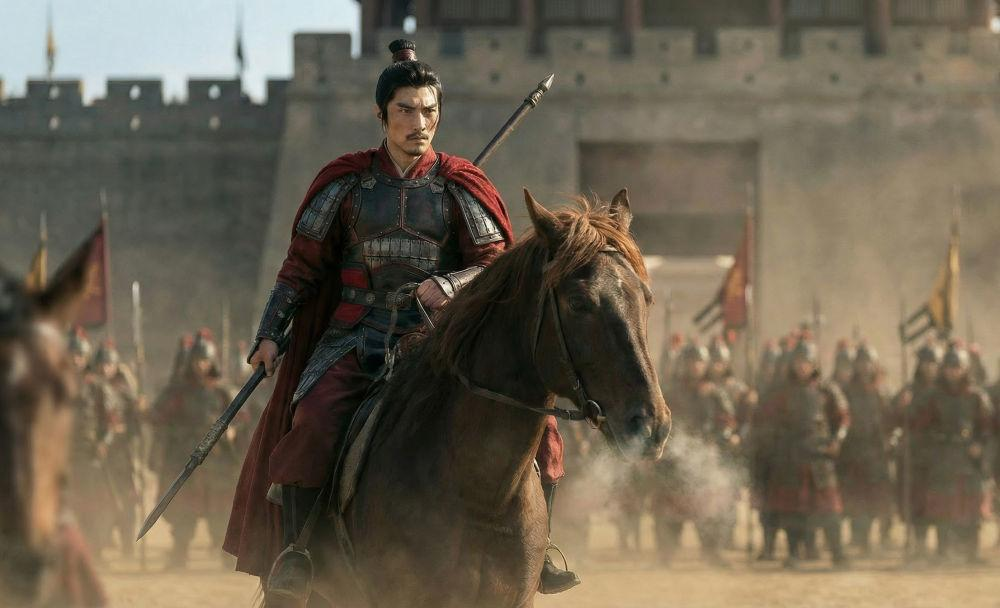
The mass production of historical dramas in China, facilitated by AI generation and virtual compositing tools, has led to a significant market boom, with projections of RMB 40 billion ($5.98 billion) for 2026. While AI enables smaller teams to create complex historical scenes, it also blurs the lines between fact and fiction, prompting concerns about historical accuracy and the potent…
Imagine a super-smart computer that can draw any picture you ask for, like a knight in shining armor or a princess in a castle. Now, this computer is so good it can make whole movies about ancient China, with big battles and fancy palaces, all very quickly and cheaply. But sometimes, the computer might make up details that look real but aren't exactly how things happened in history books. So, grown-ups are trying to figure out how to let people make cool stories without accidentally teaching everyone wrong history.
Analysis
The advent of AI in China's entertainment sector, particularly in historical dramas, marks a pivotal shift in content production. AI tools are dismantling traditional barriers, making it feasible for smaller teams and individual creators to produce elaborate historical scenes that once demanded substantial budgets and large professional crews. This technological leap is fueling an unprecedented surge in content, with hundreds of thousands of new AI short dramas being released, many achieving hundreds of millions of views.
DataEye
According to the 2026 H1 AI Drama and Animation Data Report by DataEye, China's AI drama and animation market has already surpassed RMB 22 billion ($3.29 billion) in the first five months of 2026. This rapid expansion is projected to reach RMB 40 billion ($5.98 billion) for the full year, indicating a remarkable year-on-year growth of 138%. The audience base has also grown exponentially, with over 600 million AI short-drama users in China during the first half of the year, demonstrating the immense public appetite for this new form of entertainment.
The sheer volume of content is staggering, with 221,900 new AI short dramas released from January to June, and over a thousand of these titles exceeding 100 million views each. This data underscores the scale at which AI is enabling content creation, transforming the landscape of media consumption and production. The monthly incremental views reaching 155.78 billion in June further illustrate the accelerating pace of engagement and the growing influence of AI-generated narratives.
Hunan Satellite TV
The mainstream acceptance of AI-generated content is evident in its broadcast on major television networks. The AI series The Later Journey to the West, for instance, aired during Hunan Satellite TV’s prime-time slot, achieving the top ranking among provincial satellite channels in its time slot. This signifies a significant milestone, moving AI-generated content from niche online platforms to broad national viewership.
Such mainstream exposure amplifies the concerns regarding historical accuracy. When AI-generated historical narratives, even fictionalized ones, are presented on prominent channels, the distinction between artistic interpretation and factual representation can become blurred for a wide audience. The article notes that while AI can generate convincing characters and settings, these details are not inherently historically accurate, potentially leading audiences to mistake visual authenticity for factual truth.
National Radio and Television Administration
Recognizing the evolving landscape, regulatory bodies are beginning to implement new frameworks. The National Radio and Television Administration’s Measures for the Administration of Micro-Dramas, effective September 1, 2026, introduced a classification-based management framework for AI-generated content. This includes requirements for filing, review, distribution, and disclosure labels, aiming to provide a structured approach to content oversight.
However, the challenge lies in balancing creative freedom with the need for accuracy. The article suggests that stronger content oversight should differentiate between clearly identified alternate-history stories and productions based on real historical events that audiences might mistake for fact. The focus should be on preventing misleading content and ensuring reasonable standards of verification, rather than imposing blanket restrictions on all AI historical dramas. Platforms are also urged to move beyond mere views and engagement, implementing stronger review processes and transparent disclosures about content production methods.
Key points
- AI is rapidly lowering production costs and technical barriers for historical dramas in China.
- The AI drama and animation market in China is projected to reach RMB 40 billion ($5.98 billion) in 2026, with over 600 million users.
- The boom in AI-generated content raises concerns about historical accuracy versus artistic interpretation.
- Regulatory bodies like the National Radio and Television Administration are implementing new oversight measures for AI-generated micro-dramas.
- The challenge lies in balancing creative freedom with the need to prevent historical distortion and ensure content verification.
AI's ability to lower production costs and technical barriers means more creators can tell historical stories, bringing previously difficult creative ideas to life. This democratization of content creation could lead to a richer, more diverse array of historical narratives and artistic interpretations.
The mass production of AI-generated historical content risks widespread historical distortion, as visually convincing but inaccurate details could mislead audiences. Without robust verification and clear labeling, the line between fact and fiction may become dangerously blurred, impacting public understanding of history.


