At least 11 dead, 34 injured after ‘vile’ attack on Ukraine on Putin’s birthday, Zelenskyy says – Europe live
Russian attacks on Ukraine's energy infrastructure on Vladimir Putin's birthday killed at least 11 people and injured 34, prompting strong condemnation from Ukrainian and EU officials.
Intelligence analysis by Gemini 2.5 Flash
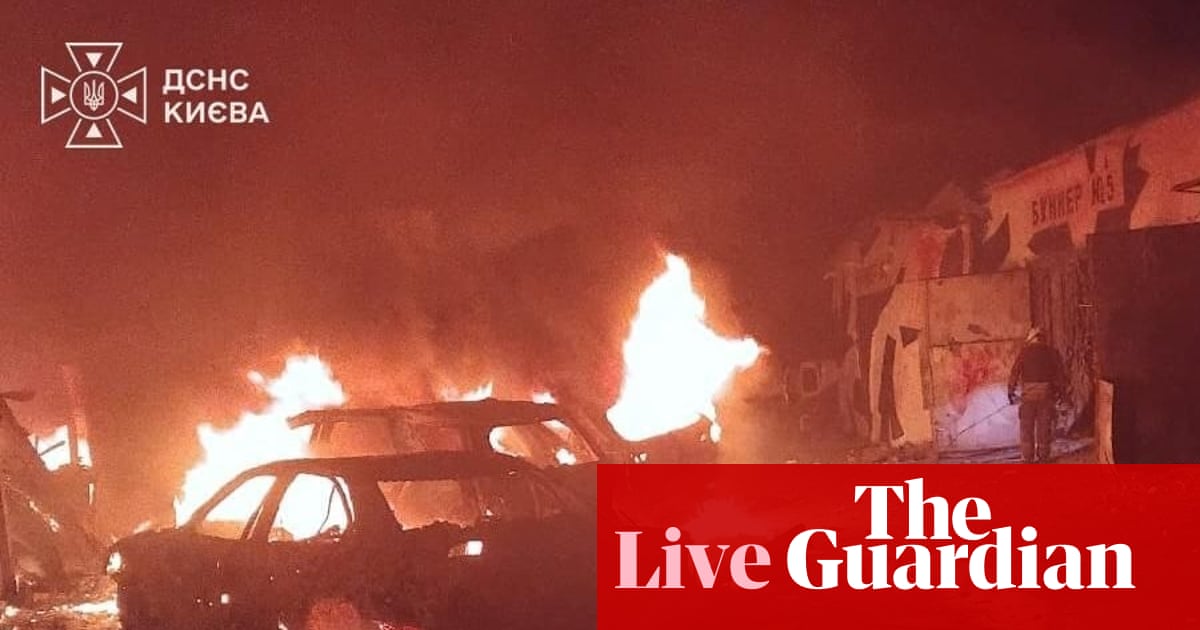
Ukraine's President Volodymyr Zelenskyy described the overnight Russian strikes on cities including Kyiv, Dnipro, and Zaporizhzhia as "vile," ironically calling them a "birthday gift for Putin." The attacks, which targeted energy infrastructure, have led to calls for increased air defense and sanctions against Russia's military-industrial complex from Ukraine's foreign minister and th…
Imagine a bully keeps throwing rocks at your house, even on their own birthday, trying to break your windows and turn off your lights. That's kind of what Russia is doing to Ukraine, hitting their power stations and homes, hurting people. Ukraine is asking its friends for stronger shields, like special rockets, to stop the rocks, and other countries are saying the bully is doing a very bad thing and needs to be stopped.
Analysis
The latest wave of Russian missile strikes across Ukraine, which President Zelenskyy characterized as "one of the most vile strikes," marks a significant escalation in the conflict's human toll and strategic targeting. These attacks, occurring on Vladimir Putin's 74th birthday, specifically targeted critical energy infrastructure in multiple cities, including Pryluky, Dnipro, Kremenchik, Zaporizhzhia, and Kyiv. The immediate aftermath has been devastating, with initial reports confirming at least 11 fatalities and 34 injuries, a number that later rose to 15 dead from the overnight assaults.
Ukrainian Skies
The attacks underscore Ukraine's urgent need for advanced air defense systems, particularly Patriot missiles, which Zelenskyy described as a "vital necessity" to protect civilian lives. The targeting of energy facilities suggests a deliberate strategy by Russia to cripple Ukraine's infrastructure, especially ahead of winter, aiming to make daily life untenable for Ukrainians. Ukraine's foreign minister, Andrii Sybiha, explicitly labeled these actions as "war crimes," asserting that Russia is not winning the war and will ultimately face accountability. He called for stronger international sanctions on Russia's military-industrial complex, including facilities producing ballistic missiles and the Rassvet satellite system, alongside increased support for Ukraine's air defense and energy sector.
Ursula von der Leyen
The international community's response has been swift and condemnatory. European Commission President Ursula von der Leyen echoed Ukraine's assessment, stating that Russia is "pursuing a deliberate strategy of terror" by targeting civilians and infrastructure. In a tangible show of support, the European Commission announced a disbursement of €1.24 billion to Ukraine specifically for drones and missiles, urging other partners to intensify their assistance. This financial and military aid is crucial for Ukraine's resilience against ongoing aggression and its ability to protect its population and essential services.
Marco Rubio
Beyond the immediate conflict, the broader European geopolitical landscape remains active. US Secretary of State Marco Rubio's visit to Greece, where he discussed bilateral issues including US-produced liquified natural gas (LNG) exports to Europe, highlights ongoing efforts to bolster European energy security and diplomatic ties amidst the conflict. While not directly related to the Ukrainian attacks, such discussions are part of a wider strategy to reduce Europe's reliance on Russian energy and strengthen alliances. Meanwhile, France is grappling with domestic unrest, as high school protests continue, marked by clashes with riot police and allegations of police brutality, leading to the suspension of stun grenade use by the interior minister. These diverse events across Europe illustrate a continent navigating complex security, energy, and social challenges.
Key points
- Russian attacks on Ukraine's energy infrastructure killed at least 11 people and injured 34, with the death toll later rising to 15.
- Ukrainian President Zelenskyy called the strikes "vile" and an ironic "birthday gift for Putin."
- Ukraine's foreign minister called for stronger sanctions on Russia's military-industrial complex and increased air defense support for Ukraine.
- EU Commission President Ursula von der Leyen condemned Russia's "strategy of terror" and announced €1.24 billion in aid for Ukraine.
- US Secretary of State Marco Rubio discussed energy exports to Europe during a visit to Greece, while France faced ongoing high school protests.
The strong international condemnation and increased financial and military aid from the EU, including €1.24 billion for drones and missiles, suggest a continued commitment to bolstering Ukraine's defense capabilities. This sustained support, coupled with calls for stronger sanctions and accountability, could help Ukraine better protect its citizens and infrastructure, potentially leading to a more robust defense against future attacks.
The ongoing "vile" attacks on Ukraine's energy infrastructure, especially ahead of winter, risk a severe humanitarian crisis and further destabilization. Despite international condemnation, Russia's continued aggression and apparent disregard for civilian casualties suggest a prolonged conflict, with the potential for escalating violence and a deepening humanitarian toll.
Market signals
- OIL Attacks on Ukraine's energy infrastructure and Ukraine's 'just responses' hitting Russian oil facilities could raise concerns about global energy supply, potentially pushing oil prices higher.
AI-generated analysis of potential market relevance. Not financial advice.