At least 14 dead after 7.7-magnitude earthquake strikes Indonesia
A powerful 7.7-magnitude earthquake struck Indonesia's Flores island, killing at least 14 people and injuring many more, according to the nation's disaster mitigation agency.
Intelligence analysis by Gemini 2.5 Flash
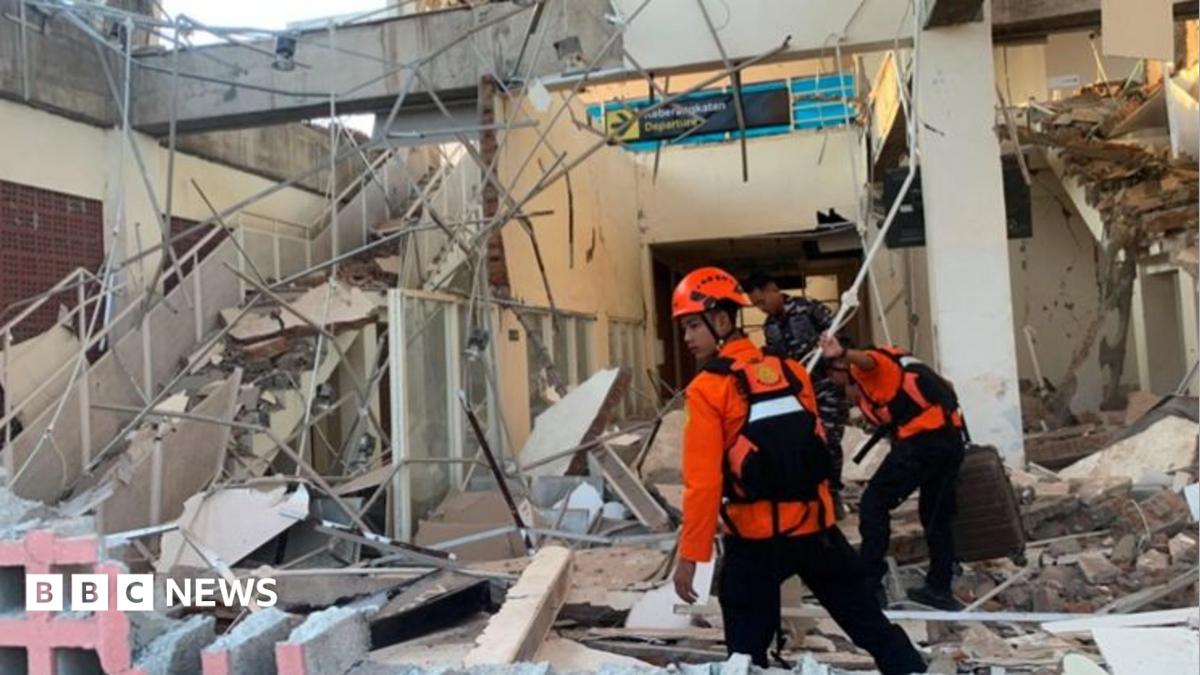
The shallow earthquake hit Flores shortly before 05:00 local time, causing buildings to collapse and prompting a tsunami warning that was later lifted. Dozens of aftershocks, including a 6.1 magnitude tremor, have left residents fearful of returning to their damaged homes, with thousands evacuating.
Imagine the Earth's surface is like a giant puzzle made of huge pieces called plates. Sometimes, these plates rub against each other, causing the ground to shake, which we call an earthquake. A really big shake, like a 7.7-magnitude one, hit Indonesia, causing buildings to fall down and sadly killing at least 14 people. It was like someone shook a big toy house very hard, and parts of it broke. People were scared, especially because the sea briefly pulled back, making them worry about a giant wave, but luckily, that didn't happen.
Analysis
A significant 7.7-magnitude earthquake has caused widespread devastation across parts of Indonesia, particularly impacting the island of Flores and the broader East Nusa Tenggara province. The initial tremor, occurring at a shallow depth of 15km, amplified its destructive potential on the surface, leading to immediate casualties and substantial damage to infrastructure. The preliminary death toll of 14 is expected to rise as search and rescue operations continue in the remote and mountainous affected areas. This incident serves as a stark reminder of the inherent risks faced by communities living in seismically active zones.
Flores Island
The earthquake struck Flores Island just before 05:00 local time, catching many residents in their sleep. The shallow depth of the quake meant its energy was released closer to the surface, intensifying the shaking and structural damage. Video footage from Maumere port depicted concrete breaking off terminal buildings and a gangway collapsing, throwing passengers into the sea. While a tsunami warning was issued, it was fortunately lifted after about three hours when no significant sea level rise was detected, averting a potentially far greater catastrophe for coastal communities.
East Nusa Tenggara
East Nusa Tenggara province bore the brunt of the earthquake's impact, with fatalities recorded across Sikka, Manggarai, and East Manggarai provinces. Governor Emanuel Melkiades Laka Lena confirmed that many victims died in their sleep from collapsing rubble. Beyond the immediate casualties, the region has experienced dozens of aftershocks, including a powerful 6.1 magnitude tremor, which has instilled fear among residents. Many have chosen to remain outdoors, unwilling to return to homes that may be structurally compromised, and thousands have self-evacuated, seeking safety in higher ground or away from damaged buildings. The remote and mountainous terrain of the province poses significant challenges for assessing the full extent of the destruction and delivering aid.
Tectonic Plates
Indonesia's geographical position, straddling the meeting point of three major tectonic plates, makes it inherently prone to frequent earthquakes and volcanic activity. This geological reality means that communities across the archipelago live under the constant threat of seismic events. The 7.7-magnitude quake is a powerful illustration of these underlying forces. While the immediate focus is on rescue and recovery, the long-term implications for rebuilding infrastructure and enhancing resilience in such a high-risk environment are substantial. The incident underscores the continuous need for robust early warning systems, resilient building codes, and well-drilled emergency response protocols to mitigate the impact of future inevitable seismic events.
Key points
- A 7.7-magnitude earthquake struck Indonesia's Flores island early Saturday, killing at least 14 people.
- The shallow quake, at a depth of 15km, caused significant damage to buildings and infrastructure.
- Dozens of aftershocks, including a 6.1 magnitude tremor, have been felt, keeping residents from returning home.
- A tsunami warning was issued but lifted after three hours when no significant sea level rise was detected.
- Indonesia is highly prone to earthquakes and volcanic activity due to its location on major tectonic plate boundaries.
Despite the tragic loss of life and extensive damage, the swift lifting of the tsunami warning prevented a potentially far more catastrophic outcome for coastal communities. The self-evacuation of thousands of residents also demonstrates a degree of public awareness and preparedness, which likely saved additional lives.
The remote and mountainous nature of the affected region, coupled with ongoing aftershocks, poses significant challenges for comprehensive damage assessment and the delivery of aid. This could prolong the recovery efforts and potentially lead to a higher uncounted toll, as residents remain displaced and fearful of returning to their homes.

