Attack on Leipzig Airport: Now there were already three drones
An attack attempt at Leipzig Airport was larger than initially thought, with investigators finding a third explosive drone containing military-grade Hexogen.
Intelligence analysis by Gemini 2.5 Flash
German authorities are investigating a more extensive drone attack attempt at Leipzig/Halle Airport, revealing a third explosive drone and suggesting a larger plot than previously known. The incident, which involved professional explosives and occurred near Ukrainian cargo planes, is considered a serious attack on German infrastructure, with security circles reportedly suspecting Russ…
Imagine someone tried to cause trouble at a big airport where planes carry important stuff. First, they found one drone with a bomb. Then, a plane almost hit another drone. Now, they've found a *third* drone with a powerful bomb, making everyone think the plan was much bigger and scarier. It's like someone trying to sneak three dangerous toys into a playground to cause a lot of chaos.
Analysis
The recent revelations surrounding the drone incident at Leipzig/Halle Airport indicate a significantly more elaborate and dangerous plot than initially understood. What began with the discovery of a single explosive-laden drone on August 4, near Ukrainian cargo planes, has escalated into an investigation involving multiple devices and potential state-sponsored sabotage. The Federal Prosecutor's Office quickly took over the case, recognizing the gravity of the situation as a "serious attack on the transport and logistics infrastructure in Germany," which could compromise national security. This incident underscores the vulnerability of critical infrastructure to sophisticated, potentially coordinated attacks.
Kabelsketal Discovery
The investigation took a critical turn on August 14, when authorities located a third drone in a field in Kabelsketal, an area situated west of the Leipzig/Halle Airport. This discovery, reported by "Süddeutsche Zeitung," NDR, and WDR, significantly broadened the scope of the suspected attack. The presence of an additional device suggests a more complex and potentially larger-scale operation than initially publicised.
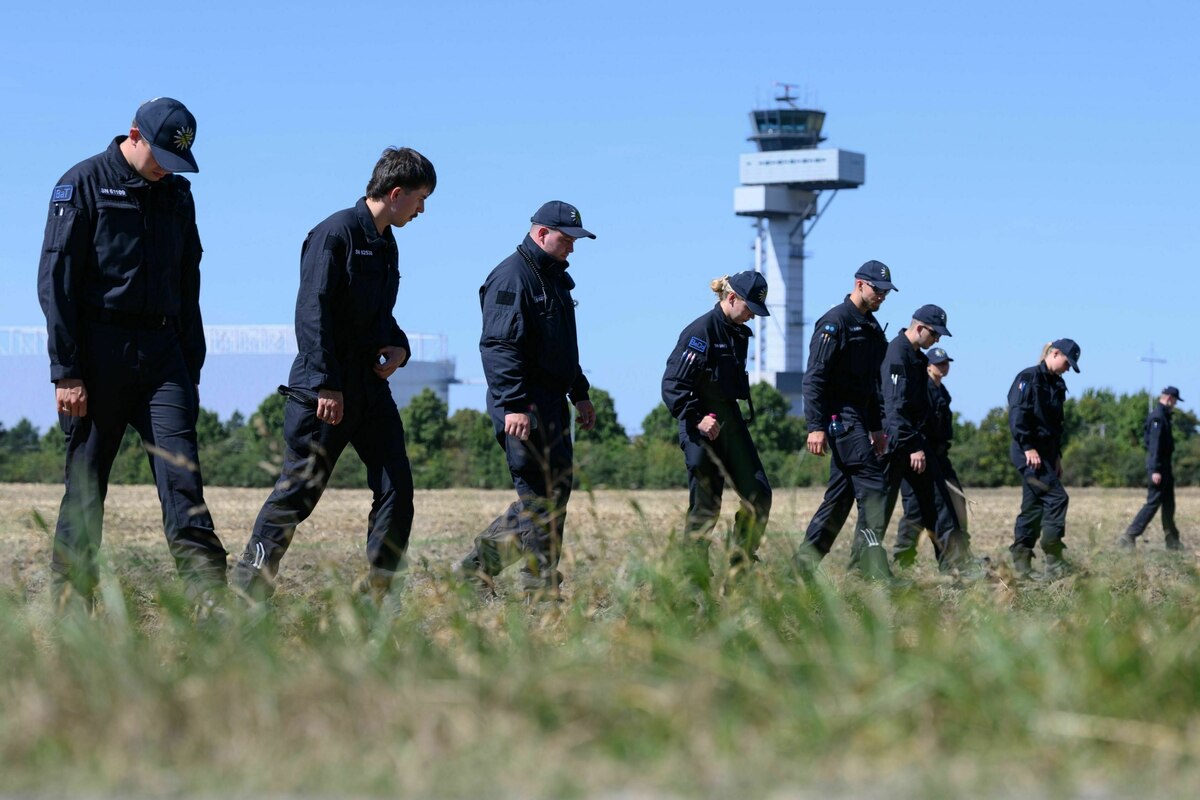
The location of this third drone, away from the immediate airport perimeter but still within a relevant proximity, raises questions about the perpetrators' operational strategy. It implies either a failed deployment, a staging area, or a multi-pronged approach to the intended disruption. The ongoing police searches in the area highlight the meticulous effort to uncover all elements of the plot.
Hexogen Payload
Crucially, the drone found in Kabelsketal contained a substance identified as military-grade Hexogen, estimated to be around 50 grams. This highly explosive material points to a professional and well-resourced operation, far beyond the capabilities of amateur actors. The use of such a potent explosive suggests a clear intent to cause significant damage or disruption.
The presence of Hexogen reinforces the Federal Prosecutor's assessment that an explosion was intended on the airport grounds. This detail elevates the incident from mere vandalism or a minor security breach to a serious act of attempted sabotage with potentially severe consequences for Germany's logistical capabilities and international commitments, particularly regarding aid to Ukraine.
Friedrich Merz's Statement
In response to the escalating revelations, Chancellor Friedrich Merz addressed the situation, indicating the German government's serious concern. Merz stated that an announcement regarding the perpetrators behind the drone attacks in Leipzig would be made "in short order," promising that "they will pay for it." This strong declaration from the highest level of government underscores the political significance and national security implications of the incident.
Merz's comments, made during a cabinet meeting, signal a determined effort by German authorities to identify and hold accountable those responsible. Coupled with Interior Minister Alexander Dobrindt's assertion that Leipzig is "part of a larger structure," these statements suggest a belief within government circles that the incident is not isolated and may be linked to broader patterns of aggression or destabilization. Security circles reportedly suspect Russian intelligence involvement, a claim Moscow denies, adding a geopolitical dimension to the ongoing investigation.
Key points
- A third explosive drone was discovered near Leipzig/Halle Airport, containing military-grade Hexogen.
- The discovery suggests a larger attack plan than initially believed, targeting critical German infrastructure.
- The Federal Prosecutor's Office is investigating the incident as a serious attack on transport and logistics.
- Security circles reportedly suspect Russian intelligence involvement, which Russia denies.
- Chancellor Friedrich Merz announced the German government would soon disclose its assessment of the perpetrators.
The discovery of the third drone and the ongoing intensive investigation by German authorities, including the Federal Prosecutor's Office and Federal Criminal Police Office, demonstrates a robust response to security threats. Chancellor Merz's promise to soon reveal the perpetrators suggests confidence in identifying those responsible, which could lead to enhanced security measures and deterrence against future attacks.
The revelation of a third explosive drone and the potential involvement of foreign state actors, specifically Russian intelligence as suspected by security circles, indicates a severe and escalating threat to Germany's critical infrastructure. Such sophisticated attacks could undermine public trust in security, disrupt vital logistics for international aid, and potentially lead to broader geopolitical tensions if state involvement is confirmed.