Bahria Town Deputy CEO Jailed in Rs. 1.7 Billion Illegal Money Transfer Case
A court in Islamabad has convicted Bahria Town's Vice Chief Executive, retired Colonel Khalil ur Rehman, along with two others in a major illegal money transfer case. The court found them guilty of sending Rs. 1.7 billion abroad through unofficial hawala and hundi channels.
Intelligence analysis by Llama
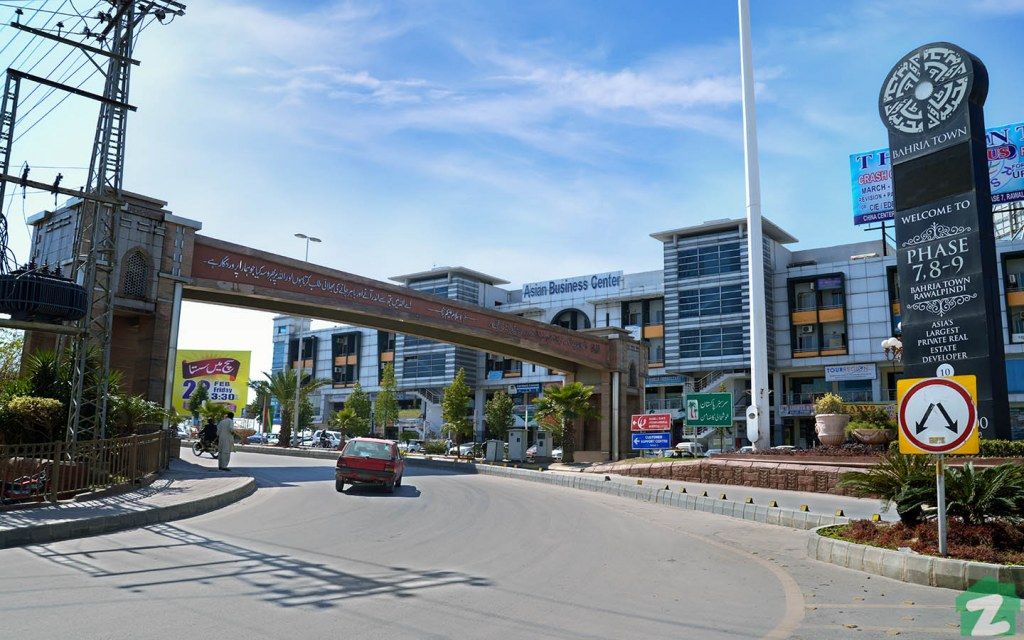
Bahria Town's Deputy CEO, Colonel Khalil ur Rehman, has been jailed for one year along with two others for transferring Rs. 1.7 billion abroad without approval from the State Bank of Pakistan.
Imagine someone trying to send a lot of money abroad without telling the bank. That's what Bahria Town's Deputy CEO and two others did, and now they're in trouble. The government wants to make sure that money is sent properly and not used for bad things.
Analysis
A $1.7 Billion Money Trail
The recent conviction of Bahria Town's Deputy CEO, Colonel Khalil ur Rehman, along with two others, has shed light on the complex web of illegal money transfers in Pakistan. The court found them guilty of sending Rs. 1.7 billion abroad through unofficial hawala and hundi channels, bypassing official banking channels. This is not the first legal issue for Colonel Khalil ur Rehman, as he received a 10-year sentence in a separate money laundering case earlier this year.
The Government's Crackdown
The convictions highlight the government's efforts to stop illegal money transfers and strengthen control over foreign exchange. The government has been working to curb the flow of black money and prevent the misuse of foreign exchange. The case has drawn attention because it involves a senior official of the company, Bahria Town, which is one of Pakistan's largest real estate developers.
Implications for the Economy
The case has significant implications for Pakistan's economy. The government's efforts to strengthen control over foreign exchange are crucial for the country's economic stability. The convictions demonstrate the government's commitment to preventing illegal money transfers and ensuring that foreign exchange is used for legitimate purposes.
Key points
- Bahria Town's Deputy CEO and two others convicted of illegal money transfer
- Sent Rs. 1.7 billion abroad through unofficial channels
- Government cracks down on illegal money transfers to strengthen control over foreign exchange
- Convictions have significant implications for Pakistan's economy
If the government continues to crack down on illegal money transfers, it could lead to a more stable economy and reduced corruption. This could also encourage foreign investment and improve Pakistan's reputation globally.
However, the convictions may also lead to a backlash against the government, particularly if it is seen as targeting a prominent businessman. This could lead to a decrease in investor confidence and a negative impact on the economy.