Barclays faces complaint over backing for power plant near world’s largest mangrove forest
Barclays Bank is facing a formal complaint in the UK over its financial ties to the coal-fired Rampal power plant in Bangladesh, located near the Sundarbans, a Unesco world heritage site.
Intelligence analysis by Gemini 2.5 Flash
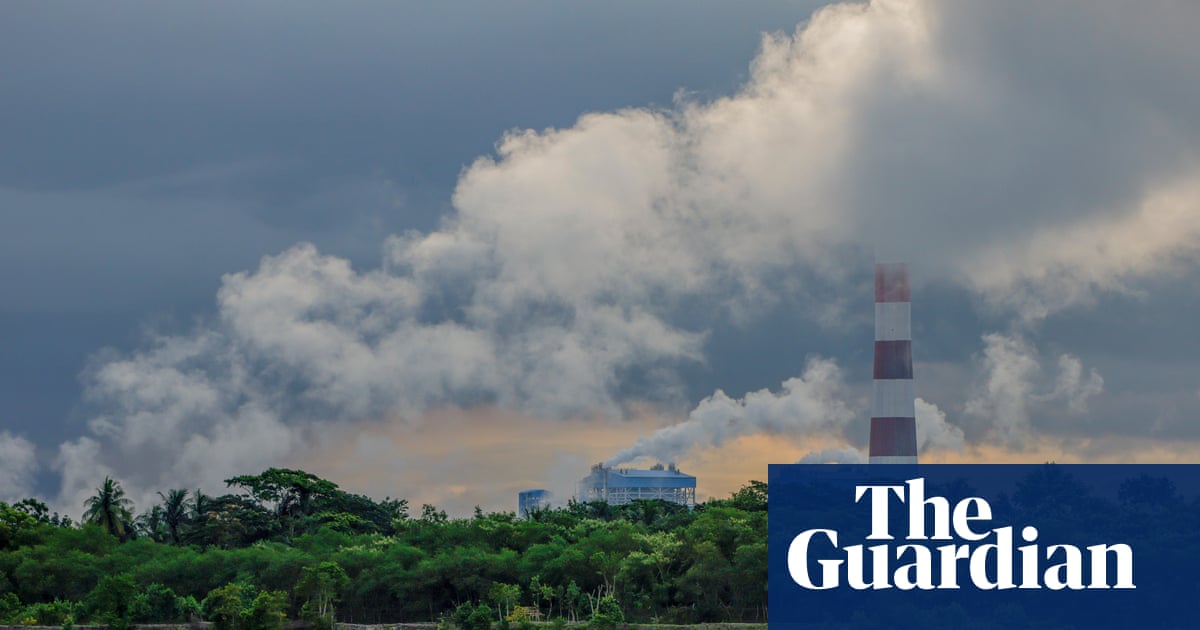
Three complainants from Bangladesh and India allege that Barclays breached international guidelines by underwriting companies involved in the Rampal power project, which they claim poses significant environmental and human rights risks to the Sundarbans mangrove forest and its inhabitants through pollution and climate change contributions.
Imagine a giant, special forest by the sea that helps protect people from big storms and is home to many unique animals, like tigers. A big bank, Barclays, is being told off because it helped fund a power station that burns coal very close to this forest. People are worried the power station's smoke and dirty water are making the forest sick, which could hurt the animals and the people who live there. They want the bank to stop helping projects that harm nature and instead help build things that use clean energy, like sunshine.
Analysis
The formal complaint lodged against Barclays Bank underscores a critical intersection of corporate finance, environmental protection, and human rights. The allegations center on Barclays' underwriting of debt for India’s state-owned NTPC Ltd and bond issues for the Export-Impoort Bank of India, both of which are linked to the controversial Rampal power plant. This case brings to the forefront the responsibility of global financial organizations to conduct thorough due diligence on the environmental and social impacts of projects they finance, especially when those projects are situated in ecologically sensitive areas like the Sundarbans.
Rampal Power Plant
The Maitree super thermal power project, known as the Rampal power plant, is a coal-fired facility located on the Pasur River, a vital waterway for the Sundarbans. Environmental campaigners, including Sharif Jamil, assert that the plant's operations, including coal combustion emissions and increased navigation traffic, are introducing heavy metals like mercury and arsenic into the interconnected river and canal systems of the Sundarbans. A study conducted last November confirmed elevated levels of these pollutants in water samples, with the highest concentrations found in the Pasur River, directly linking industrial discharge to the degradation of this critical ecosystem. The plant's proximity to a Unesco world heritage site and its potential for irreversible damage have been a long-standing concern, with Unesco itself raising objections in 2016.
Barclays Bank
Barclays Bank is accused of failing to conduct sufficient due diligence on the environmental and human rights risks associated with the Rampal project before providing financial services. The complainants, assisted by King’s Legal Clinic, argue that Barclays' financial backing of entities involved in the project contravenes international guidelines for responsible business conduct. This complaint highlights a broader trend where financial institutions are increasingly being held accountable for the indirect impacts of their investments. The fact that some other financial institutions, including banks in France, had previously refused to support the project due to its potential environmental and social effects puts additional pressure on Barclays to re-evaluate its policies and commitments to sustainable finance.
The Sundarbans
The Sundarbans, the world's largest mangrove forest, is not only a Unesco world heritage site but also a critical ecosystem supporting hundreds of plant and animal species, including the endangered Bengal tiger. More profoundly, it sustains the livelihoods of millions of people in Bangladesh and India who depend on its rivers and forests for food and resources. Beyond its biodiversity, the mangrove forest serves as a natural barrier, protecting vulnerable coastal communities from cyclones and extreme weather events, which are becoming more frequent and intense due to climate change. The alleged pollution from the Rampal plant and its contribution to global heating directly threaten this vital natural defense and the communities it protects, making the preservation of the Sundarbans a matter of both ecological and human survival.
Key points
- Barclays Bank faces a formal complaint in the UK over its financial links to the coal-fired Rampal power plant in Bangladesh.
- Complainants allege the plant poses significant environmental and human rights risks to the Sundarbans, a Unesco world heritage site.
- A study found elevated levels of mercury and arsenic in water samples from the Sundarbans, linked to industrial discharge and the power station.
- Barclays underwrote debt for NTPC Ltd and bond issues for the Export-Import Bank of India, both connected to the project.
- The complaint highlights concerns about corporate responsibility, due diligence, and the need for banks to shift funding towards renewable energy.
The formal complaint could pressure Barclays to review and strengthen its environmental and social due diligence policies, potentially leading to a broader shift in the banking sector towards more responsible financing of energy projects. This could also encourage greater investment in renewable energy sources in regions like Bangladesh, leveraging natural resources like sunlight.
If the complaint is dismissed or fails to prompt significant change, Barclays and other financial institutions might continue to fund fossil fuel projects without adequate consideration for environmental and human rights impacts. This could lead to further degradation of the Sundarbans and other vulnerable ecosystems, exacerbating climate change risks for local communities.


