Bilawal reviews strategic development initiatives for Sindh
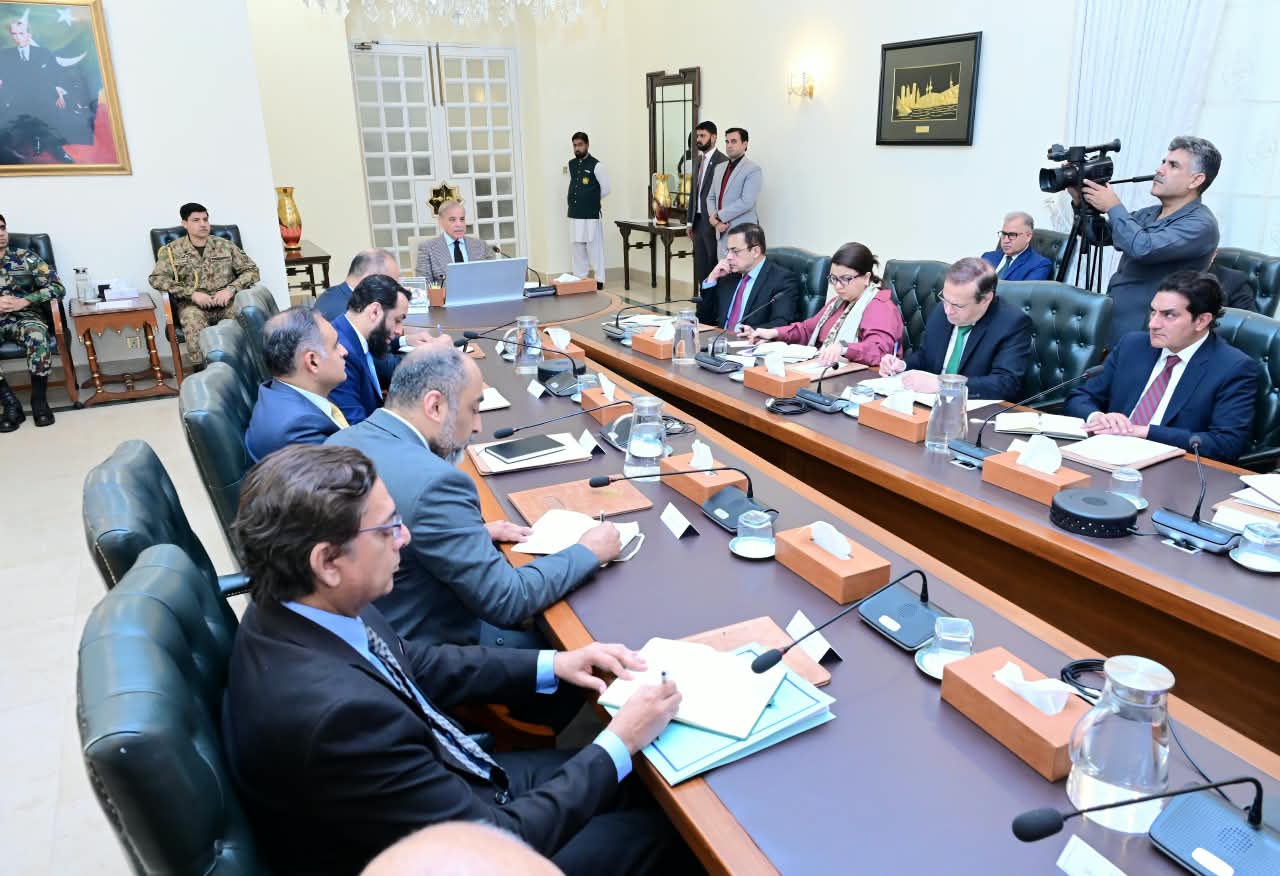
Pakistan People's Party Chairman Bilawal Bhutto Zardari chaired a high-level meeting to review strategic initiatives aimed at accelerating economic growth and attracting international investment in Sindh.
Intelligence analysis by Llama
Bilawal Bhutto Zardari led a meeting to review initiatives for Sindh's economic growth, international investment, and infrastructure development. The meeting focused on the Keti Bandar Integrated Corridor, Sindh International Financial Centre, and Farmers' Agricultural Collectives.
Bilawal Bhutto Zardari led a meeting to review plans for Sindh's economic growth. The plans include building a new port, creating a financial center, and helping farmers work together to improve their crops. These plans could create jobs, attract investors, and make Sindh a more important place in the region.
Analysis
A $60B Vote of Confidence
Bilawal Bhutto Zardari's high-level meeting at Bilawal House aimed to review strategic initiatives for Sindh's economic growth. The meeting focused on three landmark projects: the Keti Bandar Integrated Corridor, the Sindh International Financial Centre, and the Farmers' Agricultural Collectives. These initiatives have the potential to significantly enhance economic activity, create high-value employment opportunities, attract international investment, and strengthen exports. The meeting noted that the successful execution of projects of this scale requires institutional strengthening and specialized technical capacity. Therefore, it was agreed to transform the existing PPP Unit into a company to provide greater operational flexibility and engage highly qualified specialists from the market to lead and manage complex strategic PPP initiatives.
Why Cursor?
The meeting reviewed the Keti Bandar Integrated Corridor, a long-term strategic initiative aimed at developing Keti Bandar into a world-class maritime, logistics, industrial, and energy hub. The proposed corridor envisions modern port infrastructure, logistics facilities, industrial development, energy infrastructure, fisheries, tourism, and associated economic activities that will strengthen Sindh's maritime economy, promote exports, generate employment, and attract significant domestic and foreign investment. The meeting also reviewed the proposed Sindh International Financial Centre (SIFC), envisioned to reinforce Karachi's position as Pakistan's financial capital by facilitating infrastructure finance, Islamic finance, climate finance, financial technology, international commercial services, dispute resolution, and global investment.
The Road Ahead
The meeting noted that these strategic initiatives have the potential to significantly enhance economic activity, create high-value employment opportunities, attract international investment, strengthen exports, and contribute substantially to the economic development of both Sindh and Pakistan. After detailed deliberations, it was agreed that the successful execution of projects of this scale requires institutional strengthening and specialized technical capacity. The meeting therefore endorsed the proposal to transform the existing PPP Unit into a company to provide greater operational flexibility and enable the engagement of highly qualified specialists from the market to lead and manage complex strategic PPP initiatives.
Key points
- The meeting reviewed the Keti Bandar Integrated Corridor, a long-term strategic initiative aimed at developing Keti Bandar into a world-class maritime, logistics, industrial, and energy hub.
- The proposed corridor envisions modern port infrastructure, logistics facilities, industrial development, energy infrastructure, fisheries, tourism, and associated economic activities.
- The meeting also reviewed the proposed Sindh International Financial Centre (SIFC), envisioned to reinforce Karachi's position as Pakistan's financial capital.
- The meeting noted that these strategic initiatives have the potential to significantly enhance economic activity, create high-value employment opportunities, attract international investment, strengthen exports, and contribute substantially to the economic development of both …
If these initiatives are successful, they could attract significant international investment, create high-value employment opportunities, and contribute substantially to the economic development of both Sindh and Pakistan.
However, the successful execution of these projects requires institutional strengthening and specialized technical capacity, which could be a challenge. Additionally, the potential risks and failure modes associated with these initiatives, such as corruption, mismanagement, and lack of technical expertise, need to be carefully managed.