Bitcoin, ether steady, gold slides as US-Iran tensions escalate again
Bitcoin is holding above $62,000 and showing muted reactions to Middle East tensions, even as oil rises, gold falls and bond yields climb. Markets are increasingly treating war-related shocks as interest-rate events, with bitcoin now tracking front-end Treasury yields mor…
Intelligence analysis by Llama
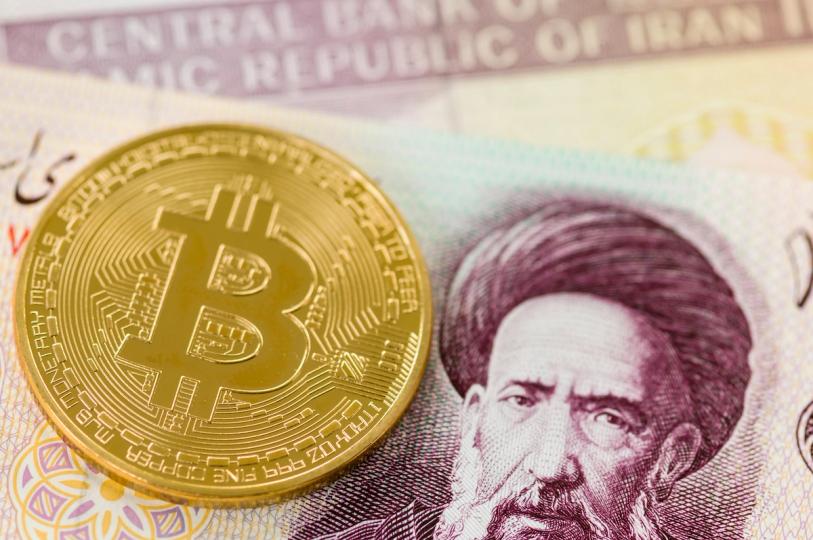
Bitcoin is holding steady above $62,000 despite US-Iran tensions escalating, while gold falls and oil rises. Markets are treating war-related shocks as interest-rate events, with bitcoin tracking front-end Treasury yields more closely than traditional hedges.
Imagine you have a special kind of money that can go up and down in value. When there's a war, people usually think that this special money will go down because it's a risk. But lately, this special money has been going up instead of down, even when there's a war. This is because people are starting to think of this special money as a way to make money from interest rates, not just as a way to avoid risks. It's like a new way of thinking about money.
Analysis
A $60B Vote of Confidence
Bitcoin's resilience in the face of US-Iran tensions is a vote of confidence in its status as a rates-sensitive asset. The asset has clawed back from multi-month lows to hold a range that survived a rate repricing, a war escalation, and a bond selloff in the same week. This suggests that the recent calm was not a function of a quiet tape, but rather a structural change in how the market reads this war.
Why the Market is Treating War as a Rates Event
The market is increasingly treating war-related shocks as interest-rate events, with bitcoin now tracking the front end of the curve more closely than it is tracking crude. This is a significant shift, as it suggests that the market is no longer pricing Middle East risk as a crypto-specific event, but rather as a rates event. This is why bitcoin is tracking front-end Treasury yields more closely than traditional hedges like crude or gold.
The Implications of a Rotation from Gold to Bitcoin
If bitcoin absorbs another Hormuz escalation without breaking $60,000 while gold keeps sliding, the rotation out of the traditional hedge is real and bitcoin is being repriced as a rates asset rather than a risk one. However, a sharper slide through $60,000 on the same news would mean the shrinking reactions were a function of a quiet tape, not a structural change in how the market reads this war.
Key points
- Bitcoin is holding above $62,000 despite US-Iran tensions escalating.
- Markets are increasingly treating war-related shocks as interest-rate events.
- Bitcoin is tracking front-end Treasury yields more closely than traditional hedges like crude or gold.
- A rotation from gold to bitcoin is underway, with bitcoin being repriced as a rates asset rather than a risk one.
If bitcoin absorbs another Hormuz escalation without breaking $60,000 while gold keeps sliding, the rotation out of the traditional hedge is real and bitcoin is being repriced as a rates asset rather than a risk one. This could lead to a continued increase in the value of bitcoin as more investors start to see it as a safe haven for their money.
However, a sharper slide through $60,000 on the same news would mean the shrinking reactions were a function of a quiet tape, not a structural change in how the market reads this war. This could lead to a sharp decline in the value of bitcoin as investors start to lose confidence in its ability to withstand market volatility.