Bitcoin Nears $65,000 as Cooling U.S. Inflation Guts the Fed Rate-Hike Trade
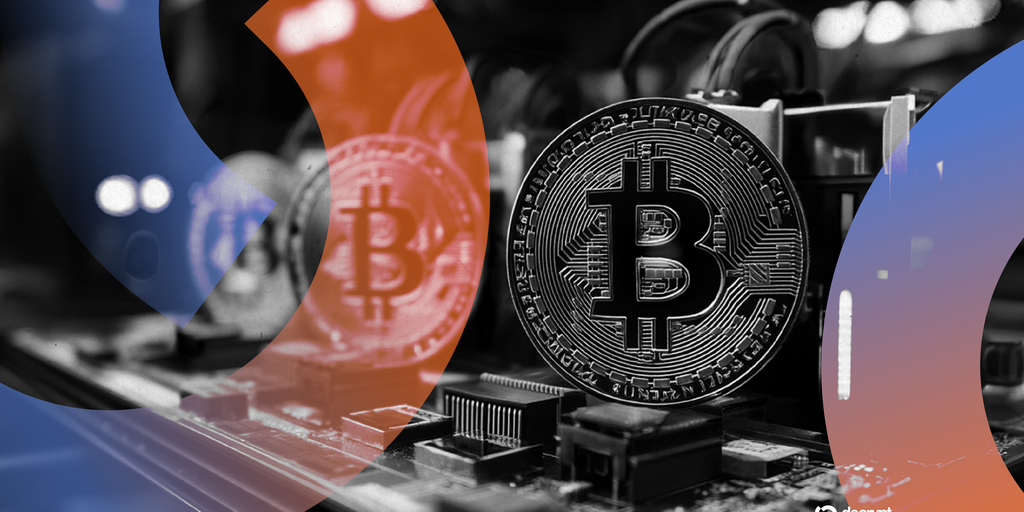
Bitcoin jumped about 3.6 percent to near $64,800 after U.S. inflation cooled more than expected, sharply reducing market odds of a near-term Federal Reserve rate hike.
Intelligence analysis by Llama
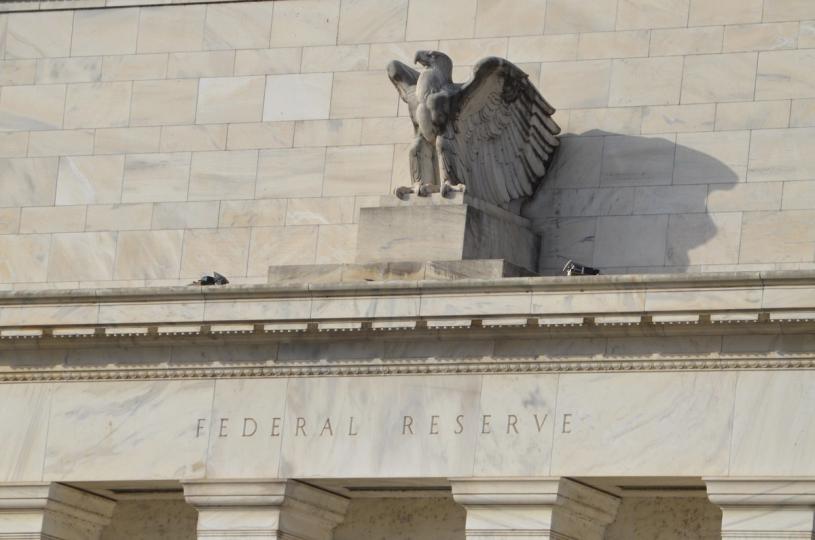
The June CPI print pulled hike odds from 43% to 13%, with analysts now watching the September FOMC meeting for further cues on positioning. Bitcoin remains highly sensitive to interest-rate expectations, with the latest data easing immediate downside pressure but leaving the next major test at the Fed's September meeting and in sustaining bitcoin ETF inflows.
Imagine you have a big jar of cookies, and you're not sure if you'll get more cookies or not. If you think you'll get more cookies, you'll be happy and want to buy more cookies. But if you think you'll get fewer cookies, you'll be sad and not want to buy more cookies. That's kind of like what's happening with Bitcoin. When people think the government will raise interest rates, they get scared and don't want to buy Bitcoin. But when they think the government won't raise rates, they get happy and want to buy Bitcoin. So, when the news came out that inflation was cooling down, people got happy and Bitcoin's price went up.
Analysis
A $60B Vote of Confidence
Bitcoin's price surge to near $65,000 is a testament to the market's confidence in the cryptocurrency's potential. The cooling U.S. inflation has reduced the market's odds of a near-term Federal Reserve rate hike, which in turn has eased immediate downside pressure on Bitcoin. However, analysts are now watching the September FOMC meeting for further cues on positioning.
Why the Fed's Rate Hike Expectations Matter
Bitcoin remains highly sensitive to interest-rate expectations, with the latest data showing a significant reduction in the market's odds of a near-term rate hike. The two-year Treasury yield dropped six basis points, and implied odds of a rate increase collapsed from 43% to 13% after the release. This reduction in rate hike expectations has led to a surge in Bitcoin's price, as investors rotate back into risk assets.
The Road Ahead
The next major test for Bitcoin will be the Fed's September meeting, where analysts will be watching for further cues on positioning. Additionally, the direction of the dollar and whether bitcoin ETF flows can sustain themselves will also be crucial in determining the cryptocurrency's future performance. As the market continues to navigate the impact of U.S. inflation on the Federal Reserve's rate hike expectations, one thing is clear: Bitcoin's price is highly sensitive to interest-rate expectations, and any changes in the market's odds of a near-term rate hike will have a significant impact on the cryptocurrency's price.
Key points
- Bitcoin's price surged to near $65,000 after U.S. inflation cooled more than expected.
- The cooling U.S. inflation reduced the market's odds of a near-term Federal Reserve rate hike.
- Bitcoin remains highly sensitive to interest-rate expectations.
- The next major test for Bitcoin will be the Fed's September meeting.
- The direction of the dollar and whether bitcoin ETF flows can sustain themselves will also be crucial in determining the cryptocurrency's future performance.
If the cooling U.S. inflation continues, it could lead to a sustained increase in Bitcoin's price, as investors rotate back into risk assets. Additionally, the reduction in rate hike expectations could lead to a decrease in the dollar's value, making Bitcoin more attractive to investors.
However, if the inflation rate starts to rise again, it could lead to a decrease in Bitcoin's price, as investors become more risk-averse. Additionally, if the Fed decides to raise rates, it could lead to a decrease in the dollar's value, making Bitcoin less attractive to investors.