Bolivia Considers Recognizing USDT for Payments Amid Dollar Shortage
Bolivia is considering a framework to let the world's largest stablecoin, USDT, be used for payments, savings, and trade amid a persistent shortage of US dollars.
Intelligence analysis by Llama
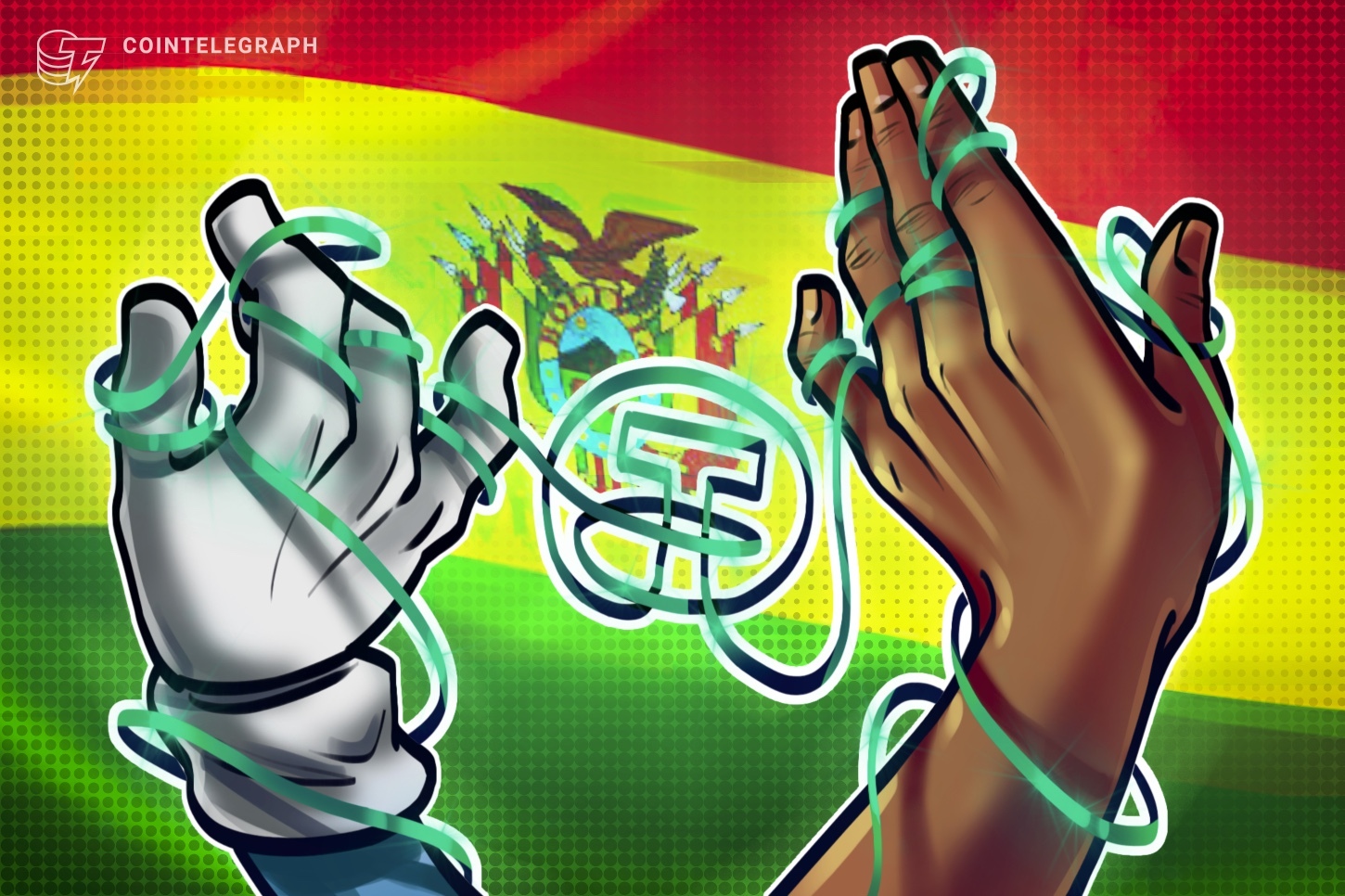
Bolivia is evaluating integrating Tether's USDt into its national payments system, a move that could mark one of Latin America's most significant stablecoin adoption initiatives.
Imagine you're in a country where it's hard to get US dollars. A stablecoin like USDT is like a special kind of money that's tied to the value of the US dollar. It's like a digital coupon that you can use to buy things online or in stores. Bolivia is thinking about letting people use USDT for everyday transactions, like paying for groceries or rent.
Analysis
A $60B Vote of Confidence
Bolivia's consideration of USDT as a payment currency is a significant development in the region's adoption of digital assets. The country's economy has been under pressure due to a persistent shortage of US dollars, which has fueled the expansion of a parallel foreign exchange market. By integrating USDT into its national payments system, Bolivia aims to provide a more stable and efficient means of conducting transactions.
Why Cursor?
Bolivia's decision to consider USDT is part of its broader embrace of digital assets following the lifting of its longstanding ban on cryptocurrencies in 2024. Since taking office in late 2025, President Rodrigo Paz Pereira's administration has pledged to integrate digital assets into the formal financial system, paving the way for banks to offer crypto-related products and services, including stablecoin-based accounts.
The Road Ahead
The proposal to recognize USDT for everyday transactions, including payments, savings, and trade, without relying exclusively on cash or the traditional banking system, is still under review. However, if adopted, it would mark one of Latin America's most significant stablecoin adoption initiatives. The framework is expected to include robust regulatory safeguards and anti-money laundering measures to prevent the misuse of USDT.
Key points
- Bolivia is considering a framework to let USDT be used for payments, savings, and trade amid a persistent shortage of US dollars.
- The proposal is part of Bolivia's broader embrace of digital assets following the lifting of its longstanding ban on cryptocurrencies in 2024.
- The framework is expected to include robust regulatory safeguards and anti-money laundering measures to prevent the misuse of USDT.
If Bolivia successfully integrates USDT into its national payments system, it could lead to increased adoption of digital assets in the region, providing a more stable and efficient means of conducting transactions. This could also attract more investment and economic growth to the country.
However, the adoption of USDT in Bolivia also raises concerns about the potential for money laundering and the misuse of stablecoins. If the regulatory framework is not robust enough, it could lead to unintended consequences, such as the destabilization of the financial system.