Bolivia Is Considering Adding Tether's USDT Stablecoin to National Payments System: Report
Bolivia is assessing the potential to include Tether's USDT stablecoin as a form of payment in the nation, following the removal of a block on crypto transactions in 2024. The nation facilitated over $14.8 billion in crypto transaction volumes from July 2024 to June 2025.
Intelligence analysis by Llama
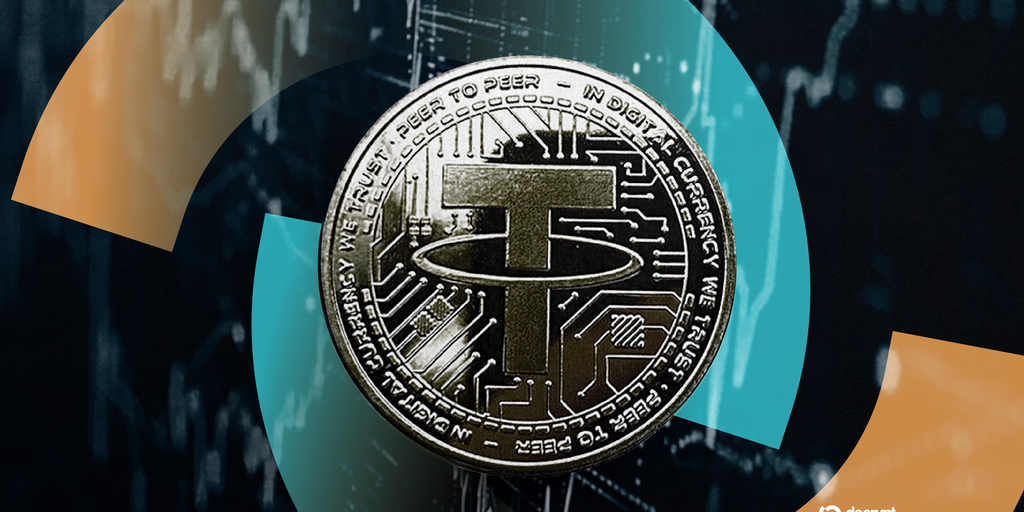
Bolivia is considering adding Tether's USDT stablecoin to its national payments system, following the removal of a block on crypto transactions in 2024. The nation has seen significant growth in crypto transaction volumes, with over $14.8 billion in transactions facilitated from July 2024 to June 2025.
Bolivia is thinking about using a special kind of digital money called USDT to help its economy grow. This digital money is connected to the US dollar and is used by many people around the world. If Bolivia uses it, it could make it easier for people to do business there and help the country grow.
Analysis
A New Path for Bolivia's Economy
Bolivia's economy has been on a path of stabilization, and the potential inclusion of Tether's USDT stablecoin as a form of payment in the nation could be a significant step forward. The country removed a block on crypto transactions in 2024, and since then, it has facilitated over $14.8 billion in crypto transaction volumes. This growth is a testament to the country's growing interest in cryptocurrencies and the potential for digital assets to play a larger role in its economy.
The Role of USDT in Bolivia's Economy
USDT is a dollar-backed stablecoin that is widely used in the cryptocurrency market. Its inclusion in Bolivia's national payments system could provide a new avenue for the country to access the global economy. The stablecoin's peg to the US dollar would provide a level of stability and predictability that could be attractive to businesses and individuals looking to conduct transactions in the country.
The Implications of USDT's Inclusion
The potential inclusion of USDT in Bolivia's national payments system could have significant implications for the country's economy and its relationship with the global cryptocurrency market. It could provide a new source of revenue for the country and increase its access to the global economy. However, it also raises questions about the country's regulatory framework and its ability to manage the risks associated with digital assets.
Key points
- Bolivia is considering adding Tether's USDT stablecoin to its national payments system.
- The country removed a block on crypto transactions in 2024 and has since facilitated over $14.8 billion in crypto transaction volumes.
- The potential inclusion of USDT could provide a new source of revenue for the country and increase its access to the global economy.
- The inclusion of USDT also raises questions about the country's regulatory framework and its ability to manage the risks associated with digital assets.
The potential inclusion of USDT in Bolivia's national payments system could provide a new source of revenue for the country and increase its access to the global economy. It could also attract new businesses and investments to the country, leading to economic growth and development.
The inclusion of USDT in Bolivia's national payments system also raises questions about the country's regulatory framework and its ability to manage the risks associated with digital assets. If not properly managed, the inclusion of USDT could lead to financial instability and undermine the country's economic growth.