Burnham mulls insolvency law shake-up to help bring utilities under public control
Andy Burnham is considering changing the UK's insolvency laws to make it easier to bring key utilities such as Thames Water under public control. This move could pave the way for a 10-year project to take public control of utilities, but could trigger a legal challenge fr…
Intelligence analysis by Llama
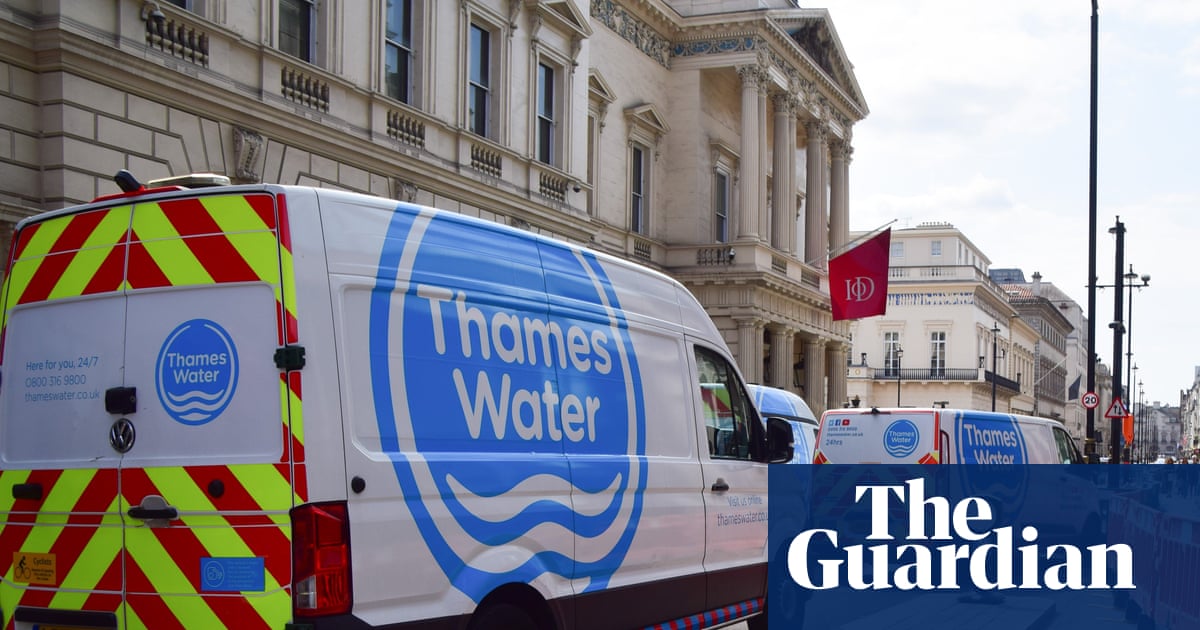
Andy Burnham is considering changing the UK's insolvency laws to make it easier to bring key utilities such as Thames Water under public control. This move could pave the way for a 10-year project to take public control of utilities, but could trigger a legal challenge from creditors to Thames Water.
Imagine you have a big company that provides essential services like water and energy. The government wants to take control of this company to make sure it's working for the people, not just for the shareholders. But there are some big challenges to overcome, like the company's debt and the complex process of taking it into public ownership. The government is trying to find a solution by changing the laws that govern how companies are taken into administration.
Analysis
Insolvency Law Reform: A Potential Roadblock to Public Control of Utilities
Andy Burnham's plans to change the UK's insolvency laws have sparked debate about the potential impact on the utilities sector. The special administration regime (SAR) is a key component of the current insolvency framework, allowing companies to be taken into administration if they are insolvent or unable to provide a basic level of service. However, this regime has been criticized for being too restrictive, making it difficult for the government to take control of companies such as Thames Water.
One possible solution is to amend the water bill to introduce new triggers for special administration, including lower financial ones and new environmental metrics. This would give ministers the power to impose losses on shareholders and haircuts on creditors, protecting taxpayers and customers from paying the price for shareholder failure. However, this approach could still bring legal challenges, with the Thames creditors promising to bring a judicial review.
The Challenges of Public Ownership
Public ownership of utilities has been a long-standing goal for many, but it is not without its challenges. The process of taking a company into public ownership can be complex and time-consuming, involving significant legal and financial hurdles. Moreover, the costs of public ownership can be high, particularly if the company is struggling with debt.
In the case of Thames Water, the company is struggling with a £20bn debt, making it a challenging prospect for public ownership. However, the government is committed to finding a solution, and the proposed changes to insolvency laws could be a key part of this process.
The Way Forward
The proposed changes to insolvency laws are a significant development in the debate about public ownership of utilities. While there are challenges to overcome, the potential benefits of public ownership are significant. By taking control of essential services, the government can ensure that they are run in the public interest, rather than for the benefit of shareholders. This could lead to lower bills, improved services, and greater accountability.
However, the path forward is not without its challenges. The legal and financial hurdles involved in taking a company into public ownership are significant, and the costs can be high. Nevertheless, the potential benefits of public ownership make it a worthwhile pursuit. With careful planning and execution, the government can overcome these challenges and achieve its goal of public ownership of utilities.
Key points
- Andy Burnham is considering changing the UK's insolvency laws to make it easier to bring key utilities such as Thames Water under public control.
- The proposed changes to insolvency laws could pave the way for a 10-year project to take public control of utilities.
- The process of taking a company into public ownership can be complex and time-consuming, involving significant legal and financial hurdles.
- The costs of public ownership can be high, particularly if the company is struggling with debt.
- The proposed changes to insolvency laws could still bring legal challenges, with the Thames creditors promising to bring a judicial review.
If the proposed changes to insolvency laws are successful, it could pave the way for a 10-year project to take public control of utilities. This could lead to lower bills, improved services, and greater accountability. The government's commitment to public ownership is a positive step towards a more equitable and sustainable energy system.
However, the process of taking a company into public ownership can be complex and time-consuming, involving significant legal and financial hurdles. The costs of public ownership can be high, particularly if the company is struggling with debt. The proposed changes to insolvency laws could still bring legal challenges, with the Thames creditors promising to bring a judicial review.