Can Using Your Phone While Charging Affect Its Battery Life?
Using your phone while charging won't damage the battery, but it may charge more slowly. Bypass charging technology helps prevent overheating, and modern phones have advanced battery management systems.
Intelligence analysis by Llama
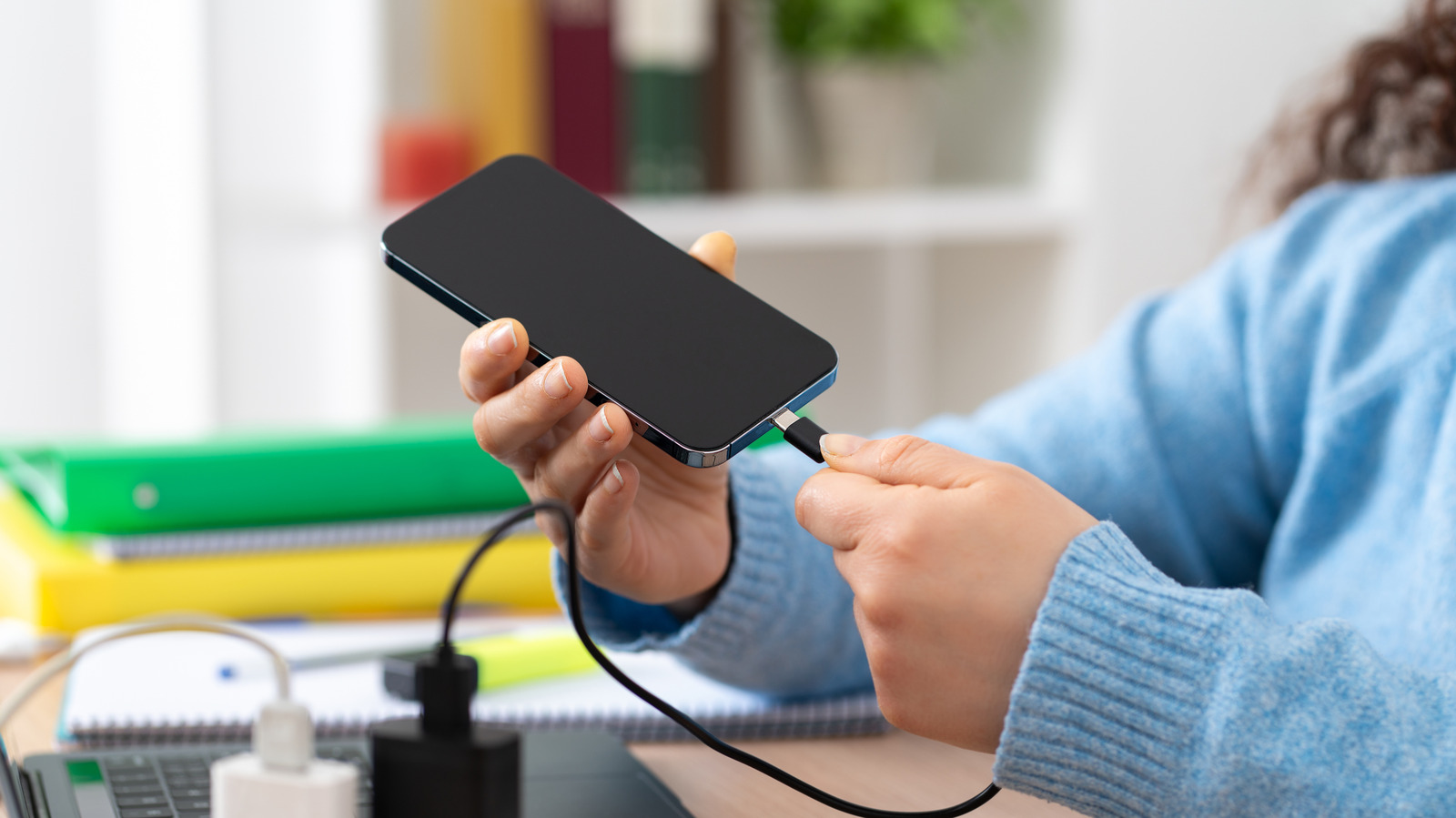
Using your phone while charging won't harm the battery, but it may slow down charging. Bypass charging and heat dissipation technology help prevent overheating and protect the battery.
Using your phone while it's charging won't hurt the battery, but it might make it charge more slowly. It's like when you're using a hair dryer and it gets hot – you don't want to leave it on for too long or it might get damaged. But with phones, it's okay to use them while they're charging, as long as you're not using them for super-intense activities like gaming or video editing.
Analysis
What's the Impact of Using Your Phone While Charging on Battery Life?
Using your phone while charging is a common practice, but it's essential to understand its effects on battery life. The short answer is that it won't damage the battery, but it may charge more slowly. This is due to bypass charging technology, which helps prevent overheating by shifting resources from recharging to running apps. Modern phones have advanced battery management and heat dissipation systems to manage temperature increases, making it safe to use your phone while charging. However, it's still a good idea to limit usage when possible to ensure the battery recharges as quickly as possible.
How Does Bypass Charging Work?
Bypass charging is a feature that allows your phone to shift its resources from recharging to running apps when you're using it while it's plugged in. This ensures a good user experience while protecting the phone's battery from heat damage. However, this feature can lead to the battery not charging much, if at all, when you unplug the phone after using it for intense activities like video editing or gaming.
Other Phone-Charging Myths
There are several phone battery charging myths that can be debunked. One is that you shouldn't leave your phone plugged in to charge overnight. This is not true, as modern phones have protections in place that stop charging once the device gets to 100 percent. Another myth is that you need to let your phone drain completely before charging. In fact, it's better to plug in when you're somewhere between 20 and 80 percent to improve battery life.
Key points
- Using your phone while charging won't damage the battery, but it may charge more slowly.
- Bypass charging technology helps prevent overheating and protects the battery.
- Modern phones have advanced battery management and heat dissipation systems to manage temperature increases.
- It's still a good idea to limit usage when possible to ensure the battery recharges as quickly as possible.
- You don't need to let your phone drain completely before charging – it's better to plug in when you're between 20 and 80 percent.
If you use your phone while it's charging, you can still enjoy a good user experience and prolong the battery's lifespan. By limiting usage when possible and using bypass charging technology, you can ensure your phone charges as quickly as possible and stays safe.
If you use your phone while it's charging for extended periods, it may lead to overheating, which can damage the battery. However, modern phones have advanced battery management and heat dissipation systems to mitigate this risk.