Car manufacturers are ditching Android Auto in 2026: Here's why
Car manufacturers are dropping Android Auto in favor of their own infotainment systems, citing data and subscription concerns. General Motors is one of the first to make the switch.
Intelligence analysis by Llama 3.3 70B
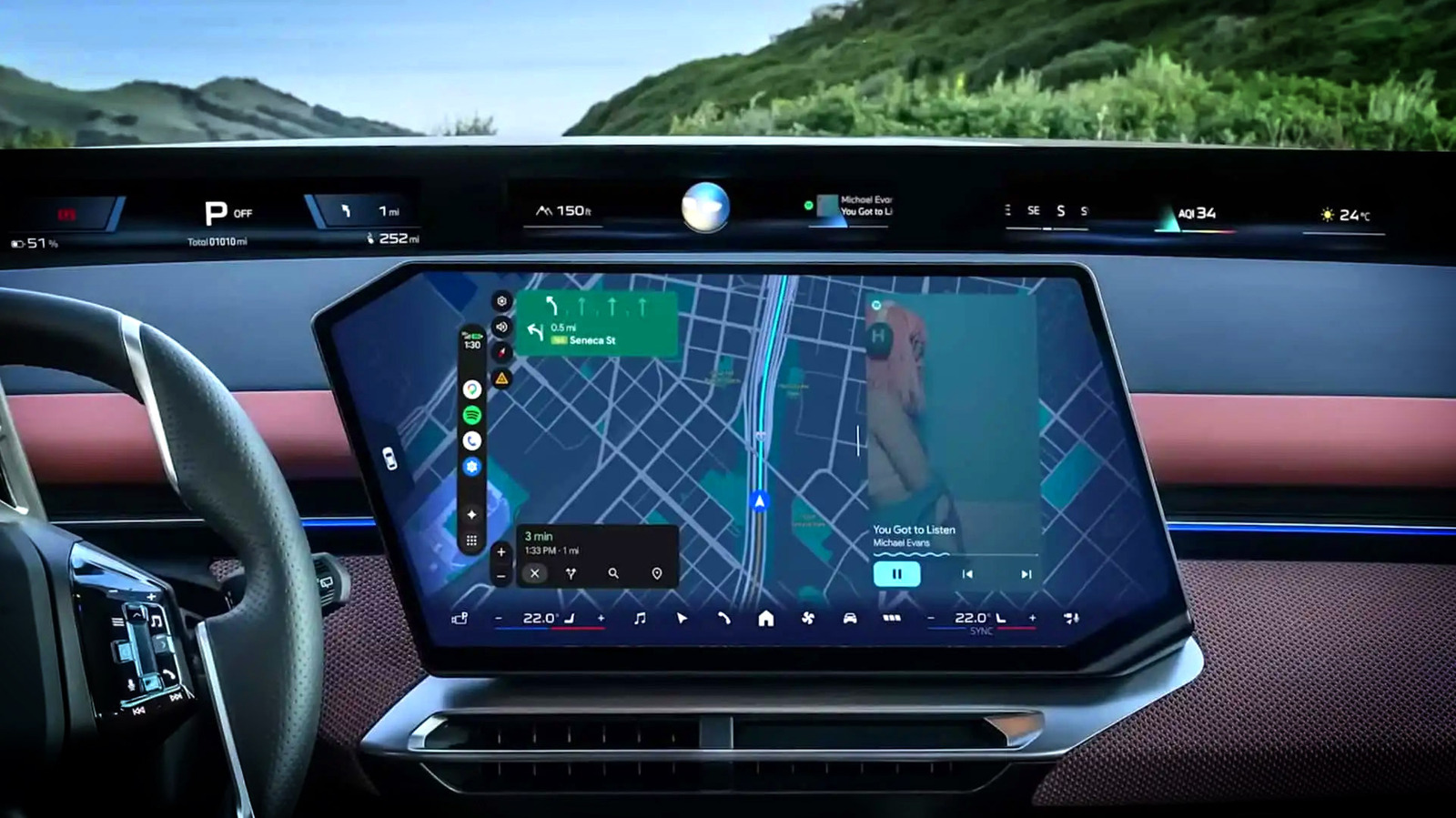
The shift away from Android Auto is driven by carmakers' desire for more control over the driver experience and access to valuable data.
Car companies are stopping the use of Android Auto in their vehicles because they want to control the data and experience that drivers have. They want to make their own systems that can talk to the car and the driver in a more personalized way.
Analysis
The Rise of Android Auto
Android Auto was first introduced in 2015 as a simple projection system, allowing users to connect their phones to their cars and access a driving-friendly version of their apps. Over time, it gained popularity, and many car manufacturers began offering it as an option alongside their own in-house infotainment systems. Google made integration easy by not charging for it, and the system became a standard feature in many vehicles.
The introduction of Android Automotive OS (AAOS) in 2017 further solidified Android Auto's position in the market. AAOS provides an Android-based vehicle operating system that doesn't require a phone's processing power, making it an attractive option for car manufacturers. Many traditional car manufacturers, such as Volkswagen, adopted AAOS for some or all of their models, starting with Volvo and a couple of Stellantis and GM brands.
The Data Dilemma
One of the main reasons car manufacturers are ditching Android Auto is the desire for more control over the data generated by their vehicles. Google collects a significant amount of data from Android Auto users, including GPS and mapping data, which can be used to target advertisements. However, this data does not go to the car manufacturers, who could use it to improve their vehicles and retain customers. For instance, GM claims that it needs sat nav data to improve the EV charging experience.
Rivian and Tesla, two companies that never adopted Android Auto, believe that phone mirroring systems are no longer necessary with the advancements in AI technology. They want more control over the driver experience and the data generated by their vehicles. Rivian's operating system is built on top of AAOS, and the company believes that deep AI integration in the car makes the entire CarPlay debate obsolete.
The Future of Infotainment Systems
The shift away from Android Auto may lead to a more fragmented market, with different car manufacturers offering their own infotainment systems. This could result in a better user experience, as car manufacturers can tailor their systems to their specific vehicles and customer needs. However, it also raises concerns about data privacy and the potential for added costs to consumers. GM, for example, has acknowledged that there are subscription revenue opportunities available with its own infotainment system, which could lead to additional costs for consumers.
In conclusion, the decision by car manufacturers to ditch Android Auto is driven by a desire for more control over the driver experience and access to valuable data. While this shift may lead to a better user experience, it also raises concerns about data privacy and the potential for added costs to consumers. As the market continues to evolve, it will be interesting to see how car manufacturers balance their desire for control and data with the need to provide a seamless and convenient user experience.
Key points
- Car manufacturers are ditching Android Auto in favor of their own infotainment systems
- The shift is driven by a desire for more control over the driver experience and access to valuable data
- GM is one of the first car manufacturers to make the switch, citing data and subscription concerns
The shift away from Android Auto could lead to more innovative and personalized infotainment systems, improving the overall driving experience. Car manufacturers may also be able to use the data generated by their vehicles to improve safety and efficiency.
The move away from Android Auto could result in a more fragmented market, with different car manufacturers offering their own systems. This could lead to confusion and frustration for consumers, as well as potential added costs for subscription-based services.