Centre to release draft AI regulations, says IT Minister Ashwini Vaishnaw
India's IT Minister Ashwini Vaishnaw announced that the Centre will release a consultation paper on AI regulation within a month, focusing on safety, deepfakes, and inclusive growth.
Intelligence analysis by Gemini 2.5 Flash
The Indian government is shifting its stance on AI regulation, moving from a belief that existing laws were sufficient to now actively drafting a comprehensive AI law. This change is driven by increasing concerns over deepfakes, agentic AI risks, and the technology's potential psychological impact, with a consultation paper expected soon.
Imagine a super-smart computer brain that can learn and create things, like making fake videos that look super real or even writing stories all by itself. India's government thinks these smart brains are getting so powerful that we need some rules, just like we have rules for cars on the road. They want to make sure these AI brains are safe, don't trick people with fake stuff, and help everyone, not just a few. So, they're asking everyone for ideas on how to make these rules fair and smart.
Analysis
The Indian government, through IT Minister Ashwini Vaishnaw, has signaled a decisive move towards comprehensive AI regulation, marking a notable departure from its earlier position that existing laws were adequate. This shift underscores a growing global recognition of the complex challenges posed by rapidly evolving AI technologies, particularly in areas of safety and societal impact. The upcoming consultation paper is expected to lay the groundwork for a new legal framework, emphasizing a human-centric approach to AI governance.
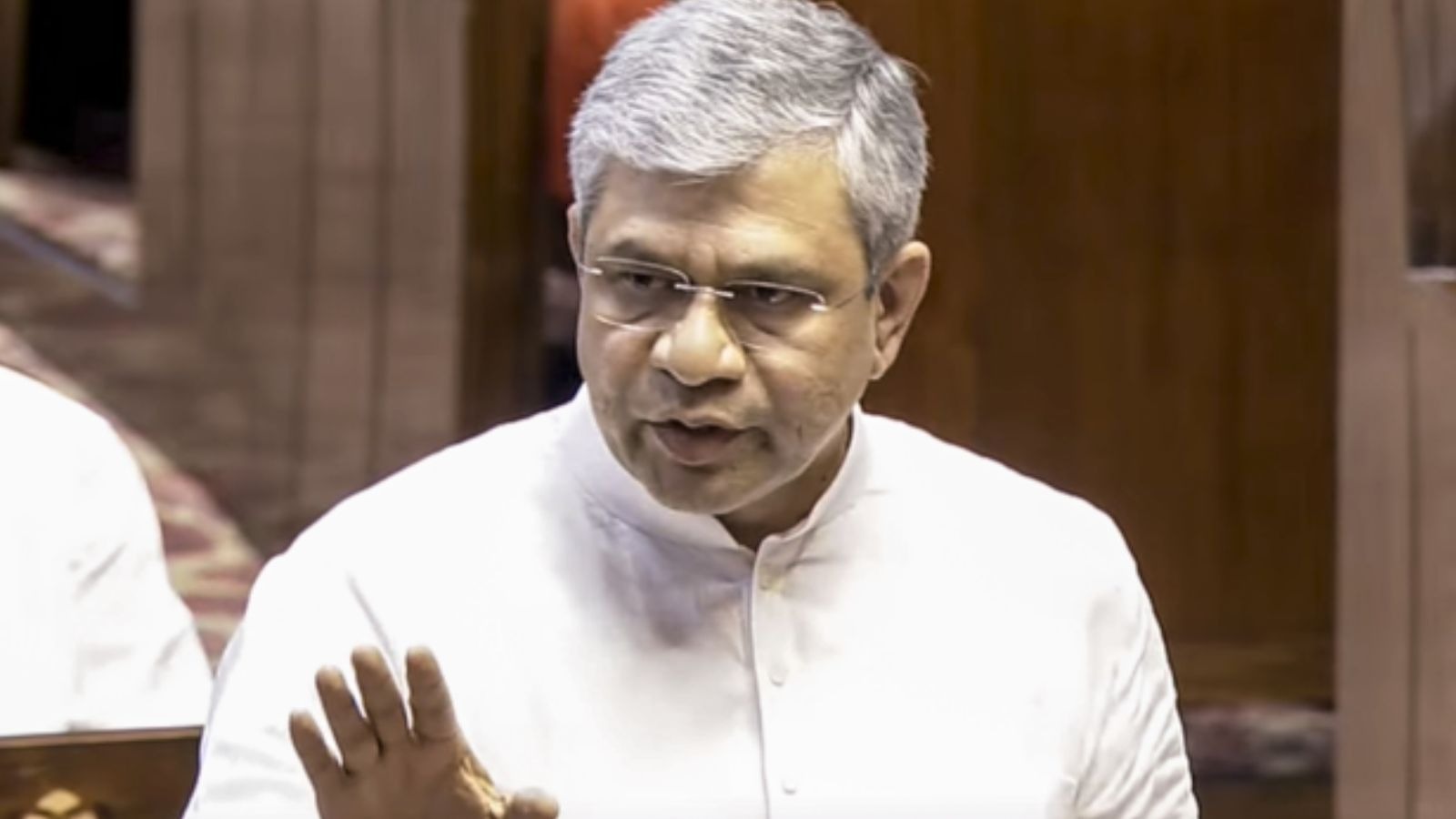
Ashwini Vaishnaw
IT Minister Ashwini Vaishnaw's recent statements highlight a critical juncture in India's technology policy, asserting that "The time has come for AI regulation." This declaration reflects an evolving understanding within the government regarding the unique risks and opportunities presented by artificial intelligence. Vaishnaw emphasized that "Humanity has to be the most important part of this aspect," indicating a focus on ethical considerations and ensuring that AI-led changes are inclusive, preventing any segment of society from being left behind.
His remarks also placed a significant portion of the responsibility on the industry, signaling that technology companies and other stakeholders will be expected to play a crucial role in mitigating AI-related risks. This collaborative approach suggests that while the government will set the regulatory framework, the implementation and adherence to safety standards will heavily rely on the proactive involvement of AI developers and deployers.
Deepfakes
A primary catalyst for the government's renewed push for AI regulation is the escalating threat posed by deepfakes. Vaishnaw specifically noted the daily improvement in the quality of deepfakes, which can mislead people about issues that are untrue, thereby compounding security-related risks. The consultation paper will place deepfakes at the heart of its discussions, aiming to address the deceptive altered media generated through AI.
Beyond misinformation, the government is also concerned about the potential psychological impact of AI, citing instances worldwide where AI has affected users' mental well-being. This broader focus indicates an understanding that AI's harms extend beyond just factual inaccuracies to encompass emotional and cognitive effects, necessitating a comprehensive regulatory response that considers the full spectrum of AI's influence on individuals.
Agentic AI
Another critical area of focus for the impending AI law is agentic AI, which refers to autonomous AI systems capable of planning multi-step actions and adjusting strategies with minimal human supervision. The Indian Express previously reported that the IT Ministry is exploring curbs on the autonomy of such agents, particularly concerning their ability to retain and reuse data. This concern stems from the potential for these systems to operate with unforeseen consequences or to misuse sensitive information.
The discussion around agentic AI also extends to the complex issue of liability for content generated by AI models. Unlike social media platforms that benefit from 'safe harbour' immunity for user-generated content, the article highlights the difficulty in applying the same logic to AI. Since AI models are trained on vast internet data and can 'editorialize' responses, tracing exact statements back to a source and assigning liability becomes a significant regulatory challenge that the new framework will need to address.
Key points
- India's IT Minister Ashwini Vaishnaw announced the release of a consultation paper on AI regulation within a month.
- The government's stance has shifted from believing existing laws were sufficient to actively pursuing a new AI law.
- Key focus areas for regulation include AI safety, combating deepfakes, and addressing the psychological impact of AI.
- The framework will also consider the autonomy of 'agentic AI' systems and the liability of AI platforms for generated content.
- Industry stakeholders are expected to bear a significant responsibility in addressing AI-related risks under the new regulations.
The proactive move towards AI regulation could establish India as a leader in responsible AI governance, fostering a safer digital environment for its citizens. By addressing deepfakes and agentic AI, the framework could build public trust in AI technologies, encouraging innovation within ethical boundaries and ensuring inclusive growth across society.
There's a risk that overly stringent or poorly designed regulations could stifle innovation within India's burgeoning AI sector, potentially hindering its competitive edge. Furthermore, if the regulations fail to keep pace with rapid technological advancements, they might become obsolete quickly or prove ineffective in addressing emerging AI-related challenges.