China to crack down on EV innovations after safety concerns flare
Chinese regulators are implementing stricter testing and validation rules for electric vehicle innovations, mandating longer periods and banning certain features, following a high-profile safety incident.
Intelligence analysis by Gemini 2.5 Flash
The Ministry of Industry and Information Technology (MIIT) is tightening EV development standards in China, requiring more rigorous testing for new features like fully hidden door handles and foldable screens, which will now be banned. This move comes after a viral video exposed brake pedal failures in Maextro V800 vehicles, sparking a national debate on the balance between rapid inno…
Imagine building a super cool toy car really, really fast, but sometimes the wheels fall off or the brakes don't work right. China, where lots of these electric toy cars are made, is now saying, "Hold on!" They want car makers to test their new cars much, much longer, like driving them for a whole year through summer and two winters, to make sure they are super safe before anyone can buy them. They're even banning some fancy but tricky parts, all because a few cars had problems that made people worried.
Analysis
China's electric vehicle industry, known for its rapid innovation and fierce competition, is now facing a significant regulatory overhaul. The Ministry of Industry and Information Technology (MIIT) has introduced draft rules that mandate more stringent testing protocols and outright ban certain 'innovative' features, signaling a pivot towards greater safety and reliability. This policy shift is a direct response to growing public concern, exacerbated by recent high-profile incidents that have cast a shadow over the industry's breakneck development pace.
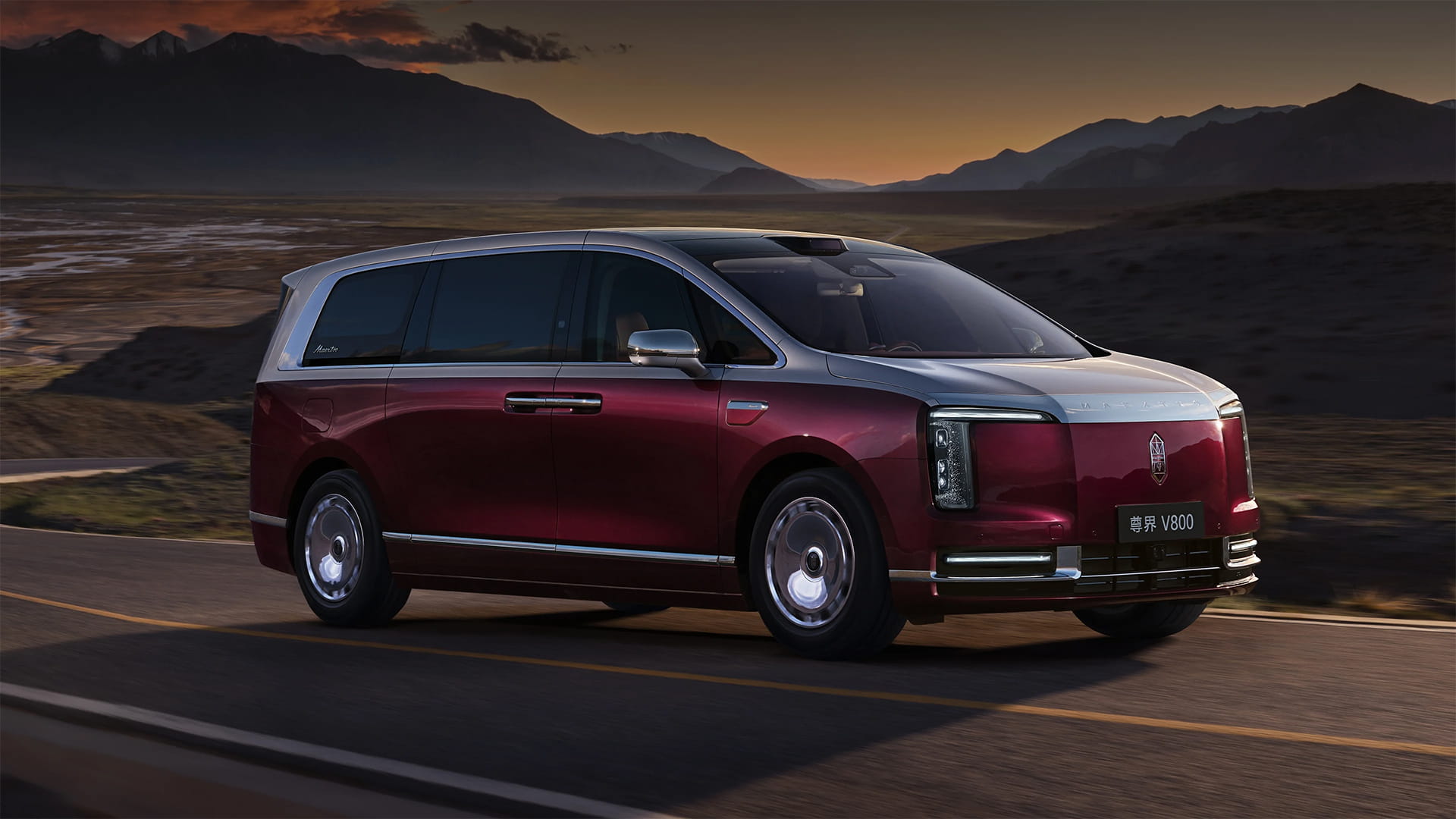
Maextro V800
The catalyst for these new regulations appears to be a viral product review video that showcased a Chinese automotive blogger easily snapping the brake pedals of three Maextro V800 vehicles. This incident, involving a model co-developed by tech giant Huawei and state-owned automaker JAC Motors, ignited a national debate about the sufficiency of current safety standards amidst rapid product launches. The Maextro V800, launched in August with a starting price of RMB 766,000 (USD 114,000), quickly became a symbol of the potential risks associated with an industry prioritizing speed.
In response to the backlash, Maextro issued a statement asserting that its braking system met or exceeded national requirements and offered a "free upgrade" option to car owners. However, the incident clearly underscored the regulatory gaps and the public's demand for higher safety assurances. The MIIT's proposed rules, set to take effect on January 1, will require innovative features to undergo at least 30,000 kilometers of testing over a minimum of one year, spanning two winters and one summer, to ensure durability and performance under varied conditions.
Li Yanwei
Industry experts like Li Yanwei, a member of the expert committee of the China Automobile Dealers Association, have welcomed the MIIT's intervention. Li noted that the new regulations will effectively eliminate "hastily-built cars" that have emerged from automakers' relentless pursuit of new product launches. He highlighted that the intense competition within China's overcrowded automotive sector has pushed young EV brands to churn out new models at an unprecedented rate, sometimes averaging almost one per day, in a bid to capture market share.
According to Li, this aggressive strategy often involved exploiting regulatory loopholes to streamline processes and cut costs, with companies relying on over-the-air updates to fix problems post-launch. He believes that these loopholes will be "patched next year" by the new rules, forcing automakers to adopt more thorough development and testing cycles. This perspective suggests that while the regulations might slow down the pace of new releases, they are crucial for fostering a more mature and responsible industry.
Harmony Intelligent Mobility Alliance
The rapid development cycles are not unique to smaller startups; even major players like Huawei's EV business, Harmony Intelligent Mobility Alliance (HIMA), have been noted for their speed. Yu Chengdong, a Huawei executive director who led HIMA, once famously stated, "Other people spend three years building one car, while we built three cars in just one year," reflecting the hard-charging spirit prevalent in the sector. HIMA, founded in 2021, now encompasses eight EV brands and has been instrumental in helping state-owned automakers develop software-defined vehicles and market strategies.
Consultancy AlixPartners reported that some Chinese EV startups have shortened development cycles from over 40 months to just over 20 months, simultaneously lowering costs by 30%. This acceleration has been attributed to flatter hierarchies, extensive use of digital simulations for software-hardware compatibility testing, and an acceptance of "good enough" solutions. While these practices have fueled rapid growth, Beijing is increasingly concerned that such approaches could damage the reputation of Chinese marques in overseas markets, as evidenced by incidents like Malaysia suspending sales of Chery's Omoda 5 SUV due to a rear axle issue. The new regulations aim to mitigate these risks and ensure that Chinese EVs maintain a strong, reliable image globally.
Key points
- China's MIIT is implementing stricter testing and validation rules for EV innovations, effective January 1.
- New features must undergo at least 30,000 kilometers of testing over a minimum of one year, spanning two winters and one summer.
- Features like fully hidden door handles and foldable screens will be banned in vehicles.
- The crackdown follows a high-profile incident involving brake pedal failures in Maextro V800 vehicles.
- Experts suggest the regulations will curb 'hastily-built cars' and address regulatory loopholes exploited by competitive automakers.
The new regulations could significantly enhance the safety and reliability of Chinese electric vehicles, boosting consumer confidence both domestically and internationally. This focus on quality over speed may ultimately strengthen the global reputation of Chinese automotive brands and foster more sustainable innovation.
Stricter regulations and longer validation periods could slow down the rapid innovation that has characterized China's EV sector, potentially increasing development costs and making it harder for smaller startups to compete. This might also temper the industry's aggressive expansion into overseas markets.