CIC flags dummy admissions, recommends surprise checks at CBSE schools
The Central Information Commission (CIC) has recommended surprise inspections of CBSE-affiliated schools to combat alleged dummy admissions and enforce mandatory attendance requirements.
Intelligence analysis by Gemini 2.5 Flash
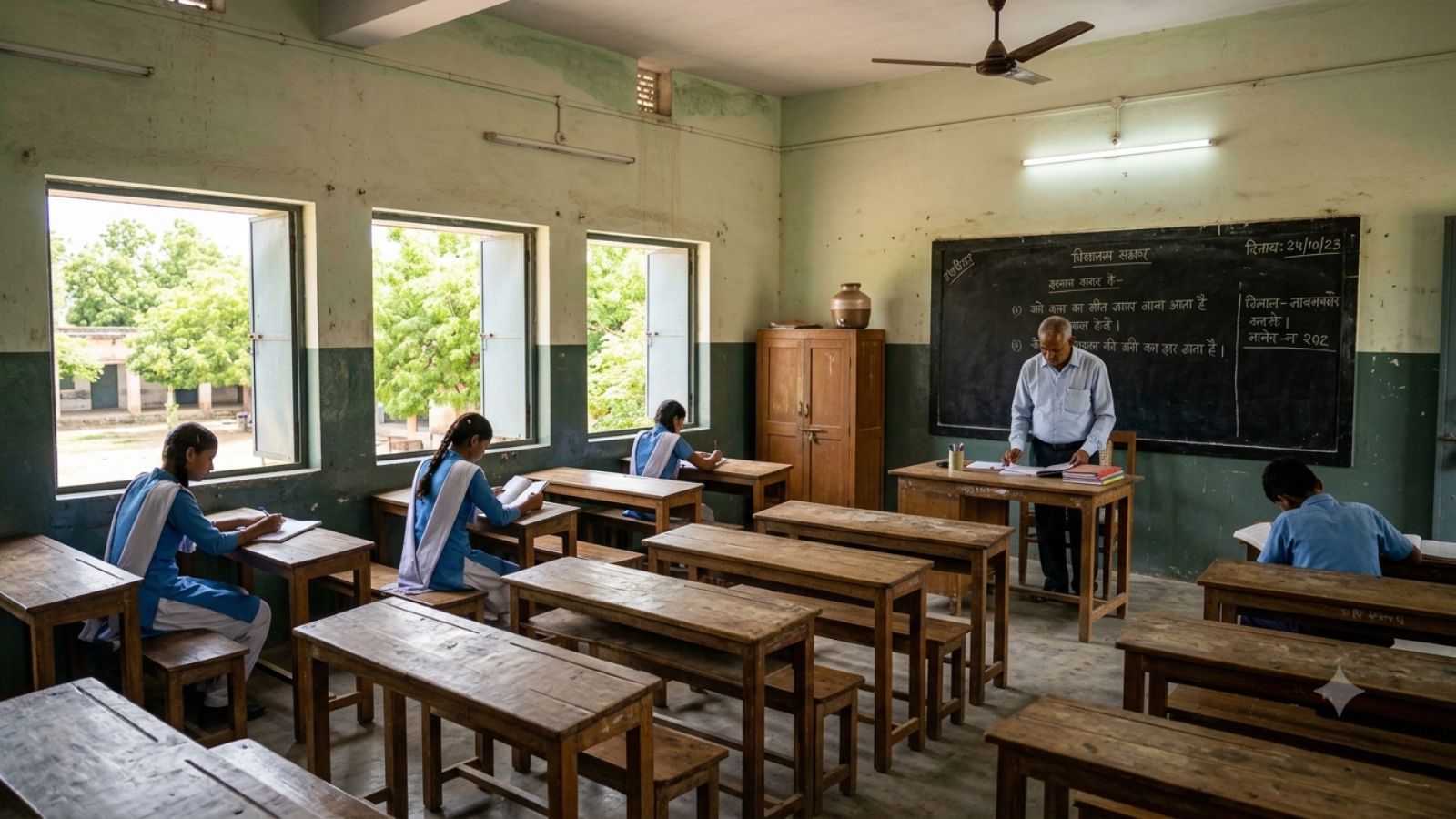
Following a complaint about students receiving certificates without attending classes, Information Commissioner Sudha Rani Relangi urged the CBSE to conduct unannounced checks. The CIC emphasized that denying information on technical grounds goes against the spirit of the RTI Act, leading to the CBSE providing a point-wise response on its affiliation rules.
Imagine a school where some kids get good grades on their report cards, but they don't actually go to class very often. It's like getting a prize in a game without playing! Someone complained about this, so a special group called the Central Information Commission has told the main school board, CBSE, to send people to schools without warning. They want to make sure all kids actually go to school and learn before they take their big exams, so everyone plays fair.
Analysis
The Central Information Commission's recommendation for surprise inspections marks a significant step towards addressing long-standing issues within the Indian education system, particularly concerning the integrity of CBSE board examinations. The move comes after a Right to Information (RTI) applicant highlighted the prevalence of 'dummy admissions,' where students allegedly secure examination results without fulfilling the necessary attendance or academic engagement. This practice not only undermines the value of education but also creates an unfair advantage, potentially impacting the credibility of the entire examination framework.
Central Information Commission
The Central Information Commission, leveraging its powers under Section 25(5) of the RTI Act, 2005, has taken a proactive stance by recommending these surprise checks. This action underscores the CIC's role in ensuring transparency and accountability within public bodies, including educational institutions affiliated with the CBSE. The Commission's observation that denying information on technicalities contradicts the spirit of the RTI Act further highlights its commitment to facilitating public access to crucial information and upholding the principles of good governance. This intervention by the CIC is expected to put pressure on the CBSE to implement stricter oversight mechanisms.
Dummy Admissions
The core issue at hand is the alleged practice of dummy admissions, where students are enrolled in schools primarily to appear for board exams, often without regular attendance or genuine participation in academic activities. The complainant specifically sought information regarding attendance requirements in private missionary schools in Bhopal, aiming to expose this systemic loophole. Such practices can lead to a devaluation of classroom learning, create an uneven playing field for diligent students, and potentially compromise the quality of education imparted by affiliated institutions. The CIC's recommendation directly targets this malpractice, aiming to restore fairness and academic rigor.
Affiliation Bye-Laws, 2018
In response to the RTI application, the CBSE referred to its Affiliation Bye-Laws, 2018, which explicitly prohibit affiliated schools from presenting candidates for board examinations if they have not attended classes regularly or fail to meet the prescribed minimum attendance requirement. This existing regulation provides the legal framework for the recommended inspections. The challenge lies in the enforcement of these bye-laws, which the surprise checks are intended to bolster. Effective implementation of these rules, coupled with stringent monitoring, is essential to ensure that all students appearing for CBSE examinations genuinely fulfill the academic prerequisites.
Key points
- The Central Information Commission (CIC) recommended surprise inspections for CBSE-affiliated schools.
- The recommendation aims to address alleged dummy admissions and ensure compliance with mandatory attendance rules.
- A complaint highlighted students receiving certificates without attending classes, prompting the CIC's intervention under the RTI Act.
- The CBSE's Affiliation Bye-Laws, 2018, already prohibit presenting candidates who do not meet attendance requirements.
- The CIC emphasized that denying RTI applications on technical grounds is against the spirit of the Act.
If the recommended surprise inspections are effectively implemented, they could significantly curb dummy admissions, leading to improved attendance and genuine academic engagement among students. This would enhance the credibility of CBSE examinations and foster a fairer, more merit-based education system across India.
There's a risk that schools might find new ways to circumvent the rules, or that the inspections might not be frequent or widespread enough to deter all instances of dummy admissions. This could lead to a continued erosion of academic standards and an unfair advantage for some students.