CISA Warns of Cyberattacks Disrupting U.S. Water Utilities
The U.S. Cybersecurity and Infrastructure Security Agency (CISA) is warning of a significant increase in attacks targeting internet-exposed programmable logic controllers (PLCs) in the water and wastewater systems sector. The agency's urgent alert comes after hackers disr…
Intelligence analysis by Llama
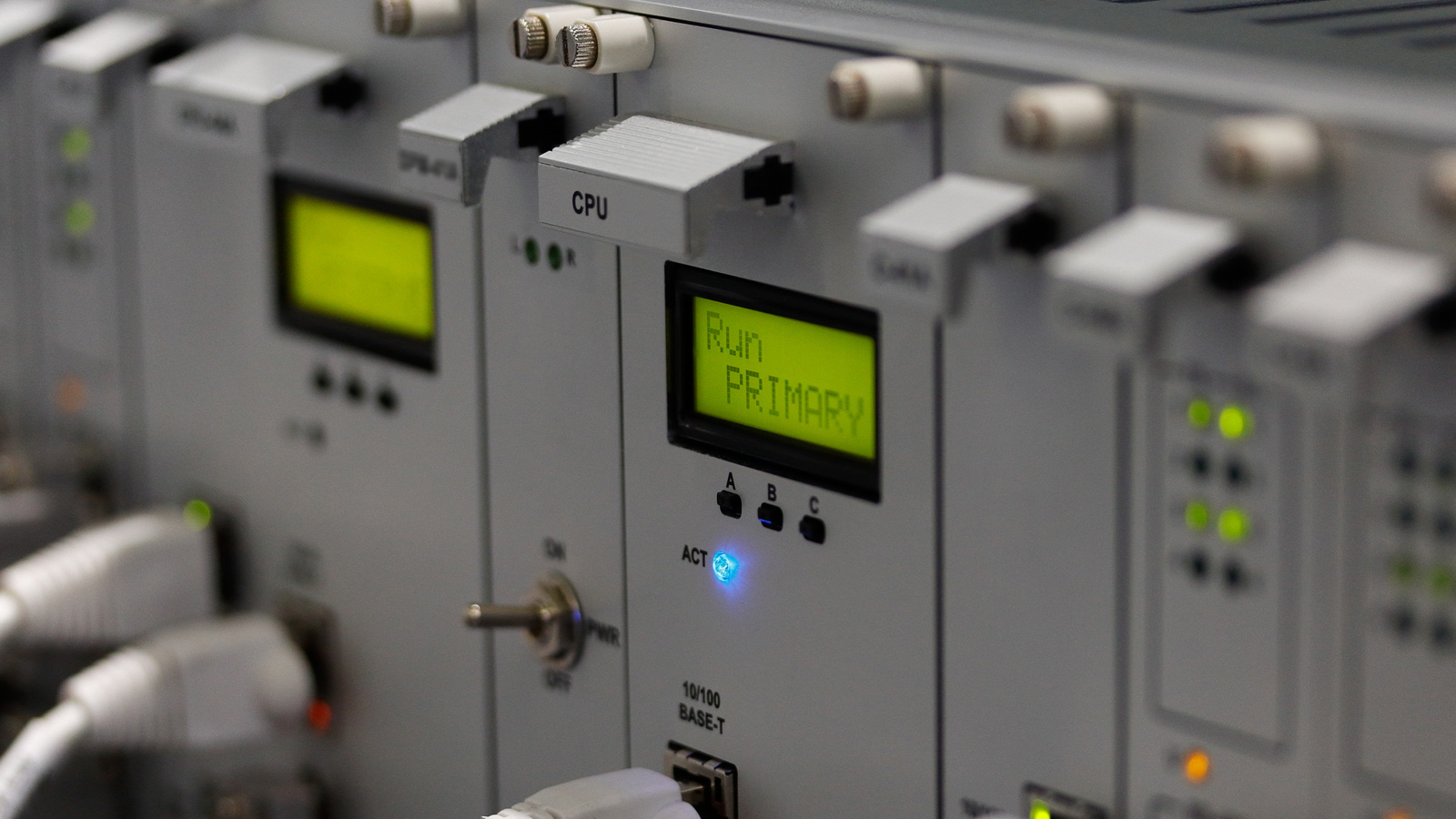
CISA warns of cyberattacks disrupting U.S. water utilities. Hackers targeted internet-exposed PLCs, changing passwords, modifying IP addresses, and disrupting operations. The agency urges critical infrastructure owners to remove publicly exposed PLCs from the internet as soon as possible.
Imagine a big computer that controls the water in your town. Hackers are trying to break into these computers to mess with the water supply. The government is warning people who run these computers to make sure they are secure so the hackers can't get in.
Analysis
A Growing Threat to Critical Infrastructure
The U.S. Cybersecurity and Infrastructure Security Agency (CISA) has issued an urgent alert warning of a significant increase in attacks targeting internet-exposed programmable logic controllers (PLCs) in the water and wastewater systems sector. This threat is particularly concerning as it has already resulted in the disruption of over 30 community water systems in Minnesota.
The attackers targeted PLCs, changing passwords, modifying IP addresses, and disrupting operations. This type of attack is a clear indication of the growing threat to critical infrastructure and the need for immediate action to protect these systems.
The Importance of Securing PLCs
PLCs are a critical component of modern infrastructure, and their exposure to the internet poses a significant risk to the security of these systems. The CISA alert emphasizes the importance of removing publicly exposed PLCs from the internet as soon as possible.
The Role of CISA in Mitigating the Threat
CISA plays a crucial role in mitigating the threat of cyberattacks on critical infrastructure. The agency's alert serves as a warning to critical infrastructure owners to take immediate action to protect their systems. CISA also provides guidance and best practices to help impacted utilities restore normal operations.
The Need for Collaboration and Information Sharing
The threat of cyberattacks on critical infrastructure highlights the need for collaboration and information sharing between government agencies, industry stakeholders, and the public. By working together, we can better protect our critical infrastructure and prevent the devastating consequences of a successful cyberattack.
Key points
- CISA warns of a significant increase in attacks targeting internet-exposed PLCs in the water and wastewater systems sector.
- Hackers disrupted over 30 community water systems in Minnesota in attacks that started last Sunday and continued through Monday.
- CISA urges critical infrastructure owners to remove publicly exposed PLCs from the internet as soon as possible.
- The agency provides guidance and best practices to help impacted utilities restore normal operations.
If the water and wastewater systems sector takes immediate action to protect their systems, the risk of a successful cyberattack can be significantly reduced. This would prevent the devastating consequences of a successful attack and ensure the continued safe operation of these critical infrastructure systems.
If the water and wastewater systems sector fails to take immediate action to protect their systems, the risk of a successful cyberattack will continue to grow. This could result in the disruption of critical infrastructure, putting the public at risk and causing significant economic and social consequences.