Covid, Brexit and Liz Truss mini-budget led to lasting decline in mental health, study finds
A UK study found that major events like Brexit, the Covid-19 lockdowns, and Liz Truss's mini-budget have caused a significant and persistent decline in the nation's mental health.
Intelligence analysis by Gemini 2.5 Flash Lite
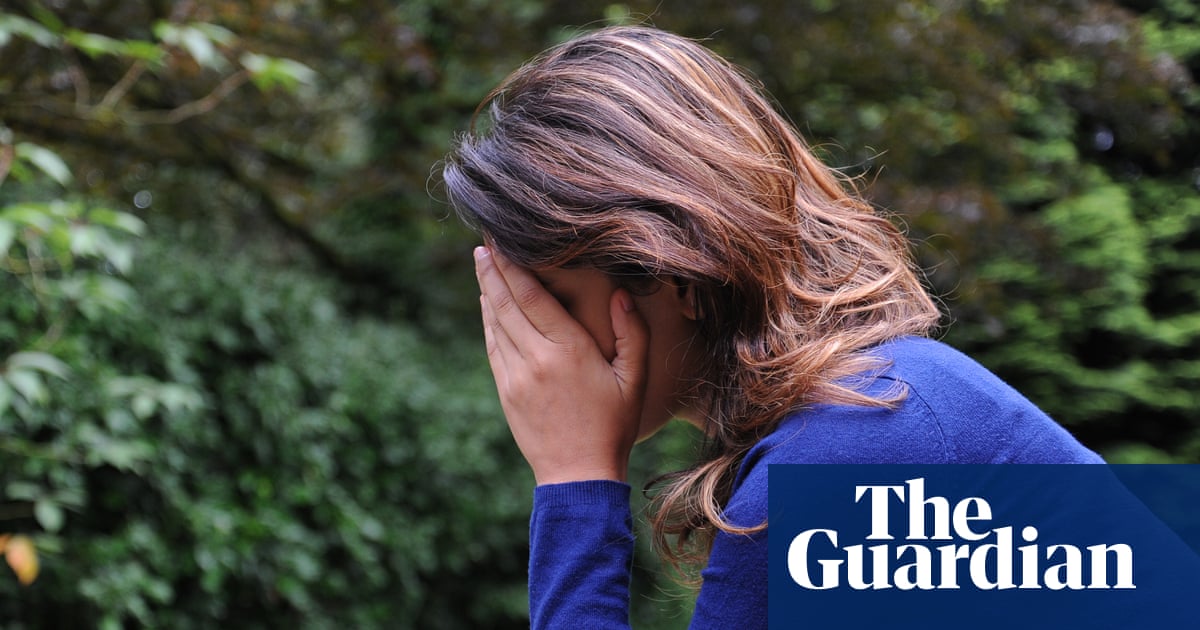
Research indicates that a series of "shocks" over the past decade, including Brexit, the Covid-19 pandemic, and Liz Truss's mini-budget, have severely damaged the mental wellbeing of the UK population, leading to a lasting increase in psychological distress.
Imagine your brain is like a garden. Big events like Brexit or the pandemic are like strong storms that can damage the plants (your feelings). This study found that several big storms over the last few years have made the garden's health worse, and it hasn't fully recovered yet, meaning more people feel sad or worried.
Analysis
Brexit
The United Kingdom's vote to leave the European Union in June 2016 is identified as a significant contributor to the decline in mental health. The study estimates that this event led to an increase in overall mental ill-health equivalent to approximately 120,000 more people seeking help for depression from their GPs. This suggests that the uncertainty and societal shifts associated with Brexit had a tangible and negative effect on the psychological wellbeing of a substantial portion of the population.
The research indicates that the impact of Brexit was not a fleeting concern but contributed to a broader trend of increasing psychological distress that has persisted. This finding underscores the long-term consequences of major political decisions on public health, extending beyond immediate reactions to more insidious, ongoing effects.
Covid-19 Lockdowns
The first Covid-19 lockdown, implemented in March 2020, had the most substantial immediate impact on mental health among the events studied. Researchers estimate this period led to an increase equivalent to about 900,000 more people developing symptoms of depression and seeking assistance from family doctors. This surge reflects the profound disruption, isolation, and fear experienced during the initial phase of the pandemic.
Following the first lockdown, the second Covid-19 lockdown also contributed to rises in psychological distress. The cumulative effect of these periods of enforced isolation and societal upheaval has clearly exacerbated mental health challenges across the UK, with lasting implications for individuals and healthcare systems.
Liz Truss's Mini-Budget
Liz Truss's mini-budget in September 2022, which was widely seen as economically damaging, also had a notable impact on mental health. The study suggests this event led to an additional 23,000 people per month visiting their GP due to depression. This indicates that severe economic instability and uncertainty can directly translate into increased psychological suffering.
The research highlights that the heightened distress following these events has not receded to pre-2016 levels, indicating a persistent state of elevated mental ill-health in the UK population. This sustained impact places immense pressure on mental health services, as evidenced by the near doubling of people in contact with NHS mental health services since 2016-17 and a significant jump in monthly referrals.
Key points
- A UK study links major events like Brexit, Covid-19 lockdowns, and Liz Truss's mini-budget to a lasting decline in mental health.
- The first Covid-19 lockdown had the largest immediate impact, equivalent to 900,000 more people seeking GP help for depression.
- Brexit contributed an estimated 120,000 more people seeking help for depression.
- The mini-budget and Russia's invasion of Ukraine also caused significant increases in psychological distress.
- Mental ill-health has increased significantly since 2016 and has not returned to previous levels, straining NHS services.
The study's findings could spur greater investment in mental health services and preventative care, potentially leading to more robust support systems that can better buffer the population against future societal shocks. Acknowledging the link between policy decisions and mental wellbeing might encourage more thoughtful governance aimed at safeguarding public health.
The persistent decline in mental health, exacerbated by multiple crises, suggests a long road to recovery for the UK population, potentially leading to further strain on healthcare resources and a continued increase in individuals unable to participate fully in work or education.