Criticism of Red-Green-Red in Berlin: "I still have considerable doubts"
SPD and Green parties in Berlin are set to decide on coalition negotiations with The Left, but significant internal criticism has emerged, particularly regarding The Left's stance on antisemitism and clan criminality.
Intelligence analysis by Gemini 2.5 Flash
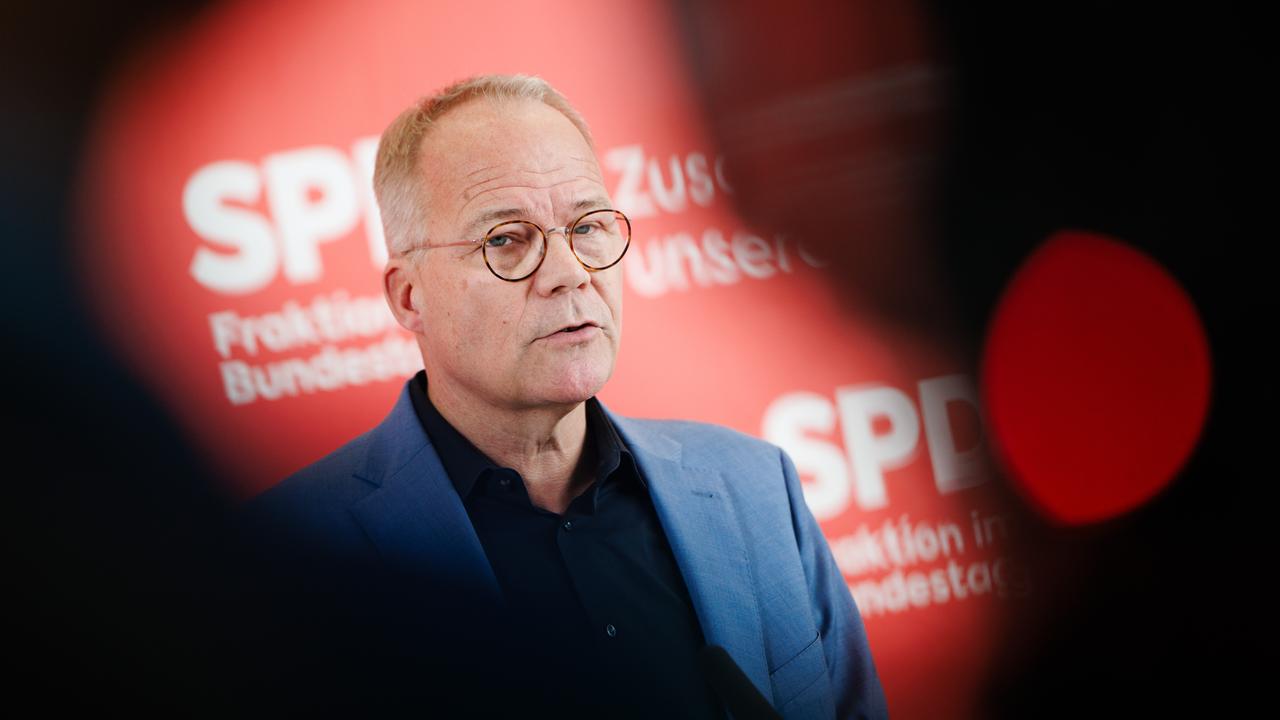
Key figures within the SPD, including parliamentary group leader Matthias Miersch and former Labor Minister Hubertus Heil, express strong reservations about forming a Red-Green-Red coalition in Berlin. Their concerns center on The Left's handling of antisemitism, ties to criminal clans, and controversial plans for the socialization of housing corporations, despite some support from th…
Imagine three friends, Red, Green, and Left, want to team up to run a big club in Berlin. But some of the older members of the Red team are worried about the Left team. They're concerned because the Left team has had some arguments about being fair to everyone and has been seen hanging out with some not-so-good groups. Also, the Left team wants to buy up lots of big apartment buildings, which the Red team thinks is too expensive and not the best way to help people find homes.
Analysis
The potential formation of a Red-Green-Red coalition in Berlin is facing substantial internal opposition, primarily from within the Social Democratic Party (SPD). While exploratory talks were successful, the path to formal coalition negotiations is fraught with skepticism, particularly concerning the reliability and policy positions of The Left party.
Matthias Miersch
SPD parliamentary group leader Matthias Miersch has voiced "considerable doubts" about the proposed alliance. His primary concerns revolve around what he perceives as The Left's insufficient clarification on critical issues such as antisemitism and clan criminality. Miersch emphasized the SPD's significant responsibility to carefully consider its partners, suggesting that certain factions within Berlin's Left party have not adequately addressed these sensitive topics. This stance reflects a broader apprehension within the SPD about aligning with a party whose local chapter has faced accusations of problematic associations and responses to societal challenges.
20 SPD Bundestag Members
A collective statement from 20 SPD Bundestag members underscores the depth of this internal dissent. The document, titled "Our compass of values is never negotiable," explicitly opposes a coalition with The Left in Berlin under current conditions. It cites "recurring antisemitism conflicts" within The Left's Berlin state association, alleged contacts with the "Remmo environment" (a known criminal clan), and connections to "extremist milieus." These concerns, as reported by various media outlets, lead to "considerable doubt" about the political reliability of The Left's local branch, highlighting a fundamental clash of values and principles within the potential governing alliance.
Vergesellschaftung
Beyond issues of political reliability and values, the proposed coalition's economic policies, specifically the plans for the socialization of large housing corporations, are a major point of contention. The exploratory paper suggests socializing over 10,000 apartments, requiring up to 16 billion Euros in compensation. Miersch strongly criticized this approach, arguing that such "insane compensation sums" would be better invested directly into new housing construction. This policy debate pits those advocating for radical measures to address Berlin's housing crisis against those who view such interventions as economically unsound and potentially counterproductive, further complicating the coalition's prospects.
Key points
- SPD and Greens are deciding whether to enter coalition negotiations with The Left in Berlin.
- SPD parliamentary group leader Matthias Miersch expresses "considerable doubts" over The Left's handling of antisemitism and clan criminality.
- A statement signed by 20 SPD Bundestag members explicitly opposes a coalition with The Left due to concerns over values and reliability.
- Former Labor Minister Hubertus Heil questions The Left's "ability to govern" in Berlin.
- Plans for the socialization of over 10,000 apartments, requiring up to 16 billion Euros in compensation, are a major point of contention.
- The SPD youth wing (Jusos) supports the coalition, seeing a chance to address the housing market crisis.
If the coalition proceeds, supporters like Juso leader Philipp Türmer believe it offers a significant opportunity to address Berlin's severe housing crisis and high rents, fulfilling the desire of many Berliners for political change. The alliance could implement progressive policies aimed at improving social equity and urban living conditions.
The strong internal opposition within the SPD, particularly from senior figures like Matthias Miersch and Hubertus Heil, suggests that a Red-Green-Red coalition could be unstable and fraught with internal conflicts. Concerns about The Left's reliability on issues like antisemitism and clan criminality, coupled with contentious economic policies like housing socialization, could undermine the government's effectiveness and public trust.