Delhi Protest: ‘Dilli Haat becomes our Jantar Mantar,’ says AISA activist Neha Bora amid police detention, crackdown
AISA activist Neha Bora declared Dilli Haat as a new protest site after police cracked down on demonstrations near Jantar Mantar, leading to the detention of approximately 500 people.
Intelligence analysis by Gemini 2.5 Flash

Protesters, including activists, lawyers, and journalists, faced police detention and a crackdown in Delhi while attempting to demonstrate against Chief Election Commissioner Gyanesh Kumar over alleged voter-list manipulation. AISA activist Neha Bora announced Dilli Haat as an alternative protest venue, but participants marching from there were also detained, highlighting escalating t…
Imagine kids want to play a game in their favorite park, but the grown-ups say no and block the park. So, the kids try to find another spot to play, but the grown-ups stop them there too, saying it's for everyone's safety. This is like what happened in Delhi, where people wanted to protest about how votes are counted, but the police stopped them from gathering, even when they tried to move to a different place.
Analysis
The recent events in Delhi underscore a growing friction between civil society activists and state authorities, particularly concerning the right to peaceful assembly. The police's proactive measures to prevent protests, including denying permission and deploying extensive security, reflect a stringent approach to maintaining law and order, which critics argue infringes upon fundamental rights. The shift of protest sites, from the traditional Jantar Mantar to Dilli Haat, signifies activists' attempts to adapt to these restrictions, even as authorities continue to enforce detentions.
Neha Bora
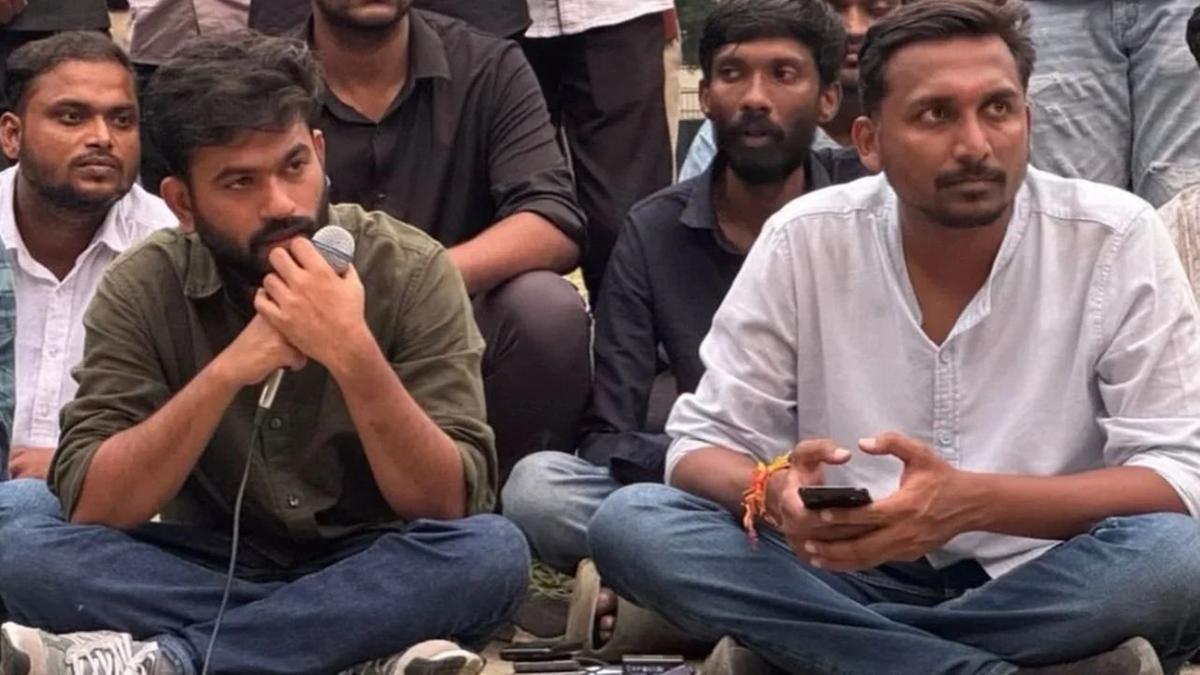
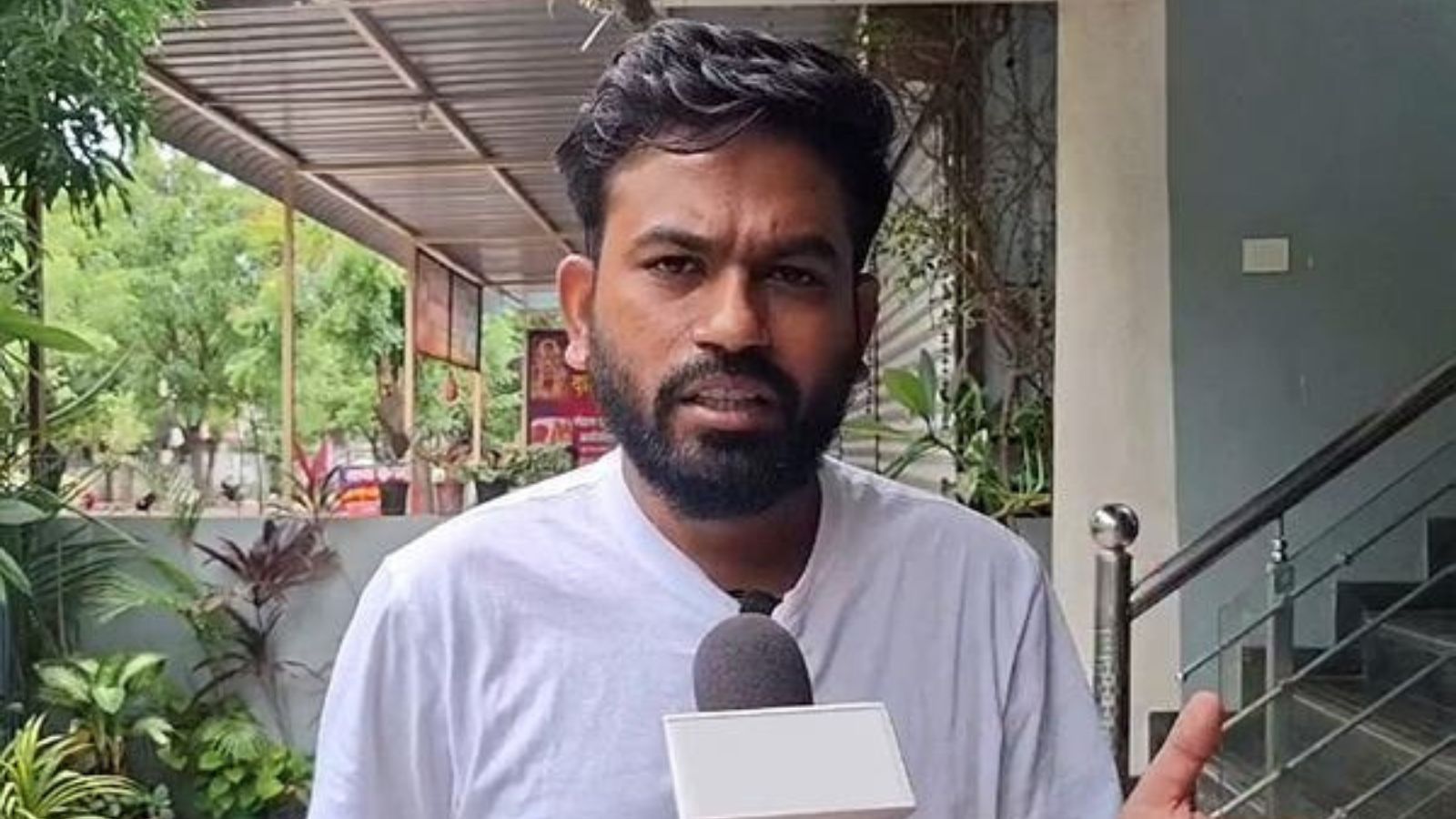
Neha Bora, an AISA activist, emerged as a prominent voice in the recent Delhi protests, publicly declaring Dilli Haat as a new rallying point for demonstrators. Her statement, made on X (formerly Twitter), came in direct response to the police crackdown around Jantar Mantar, a historically significant protest venue. Bora's actions, including sharing videos and slogans, aimed to galvanize support and maintain the momentum of the movement despite police intervention. Her subsequent detention, along with other protesters marching from Dilli Haat, illustrates the challenges faced by activists in exercising their right to protest.
Gyanesh Kumar
The core of the protest revolves around serious allegations against Chief Election Commissioner Gyanesh Kumar. Activists from the CJP (Citizens for Justice and Peace) are demanding his resignation, citing concerns over alleged voter-list manipulation during the Special Intensive Revision of electoral rolls. Furthermore, changes related to Form 6, which is used for voter registration, have also fueled the discontent. These allegations, if substantiated, could have profound implications for the credibility and fairness of India's electoral system, undermining public trust in democratic institutions.
Jantar Mantar
Jantar Mantar, traditionally a designated site for protests in Delhi, became the focal point of a significant police crackdown. Authorities denied permission for the CJP protest, citing law-and-order concerns and potential inconvenience to residents. Despite this, approximately 500 people were detained as they attempted to reach the site, with police deploying extensive security measures and dividing the district into 20 sectors. The police action, which included chasing and detaining protesters at various locations, highlights the state's determination to prevent unauthorized gatherings, effectively curtailing access to a symbolic space for dissent.
Key points
- AISA activist Neha Bora declared Dilli Haat as a new protest site after police action at Jantar Mantar.
- The protest was organized by the CJP against Chief Election Commissioner Gyanesh Kumar over alleged voter-list manipulation and changes to Form 6.
- Delhi Police denied permission for the protest at Jantar Mantar, citing law-and-order concerns.
- Approximately 500 protesters, including prominent activists like Neha Bora, Dipankar Bhattacharya, Prashant Bhushan, and Yogendra Yadav, were detained.
- Police maintained a tight security presence across New Delhi, preventing protesters from reaching Jantar Mantar and detaining individuals attempting to regroup.
The police crackdown and mass detentions of protesters, including activists and journalists, raise serious concerns about the shrinking space for dissent and civil liberties in India. Coupled with allegations of voter-list manipulation against a top election official, these events could erode public trust in democratic institutions and the fairness of future elections.