Delio CEO Sentenced to 15 Years in Prison on Crypto Fraud in South Korea
Delio CEO Jeong Sang-ho was sentenced to 15 years in prison for defrauding users out of $49.3 million in crypto. The CEO was found guilty of embezzlement and using a false trading license.
Intelligence analysis by Llama
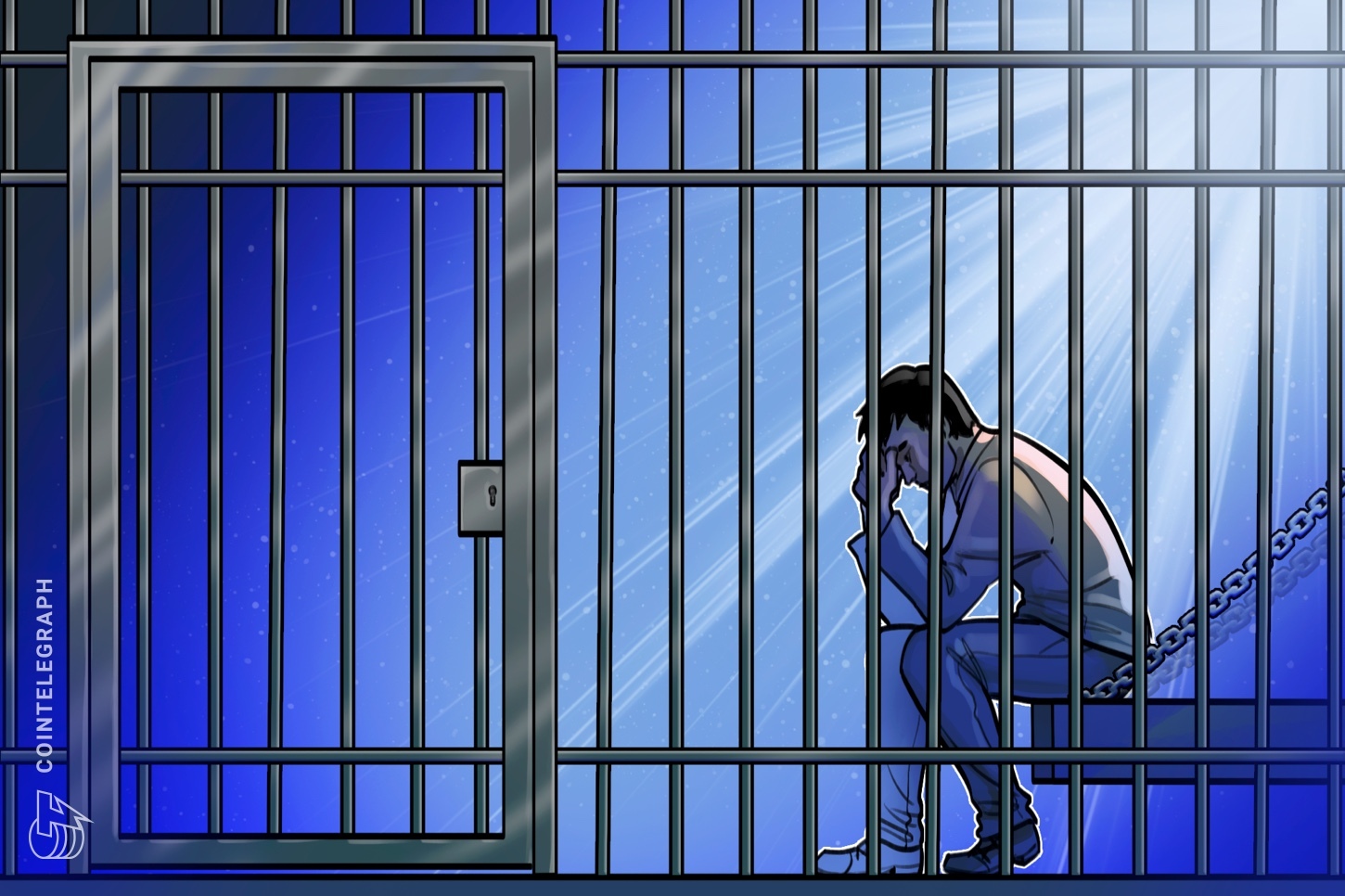
Delio CEO Jeong Sang-ho was sentenced to 15 years in prison for defrauding users out of $49.3 million in crypto. The CEO was found guilty of embezzlement and using a false trading license. This is the latest example of crypto-related fraud among South Korea-based exchanges.
Imagine you put your money into a bank, but the bank takes your money and runs away. That's what happened with Delio, a company that promised high interest on crypto deposits. The CEO, Jeong Sang-ho, was caught and sentenced to 15 years in prison for stealing $49.3 million from customers.
Analysis
Delio's Downfall: A Cautionary Tale of Crypto Fraud in South Korea
The sentencing of Delio CEO Jeong Sang-ho to 15 years in prison for defrauding users out of $49.3 million in crypto is a stark reminder of the ongoing issue of crypto-related fraud in South Korea. Launched in 2022, Delio marketed itself as a 'digital asset bank' that offered high interest on crypto deposits. However, the exchange froze customer withdrawals in June 2023 and declared bankruptcy in November 2024, leading to Jeong's indictment on fraud charges in April 2025.
The ruling impacting Delio was the latest example of crypto-related fraud among South Korea-based exchanges. Notably, Terraform Labs co-founder Do Kwon escaped authorities for almost a year following the company's collapse in May 2022. He was arrested in Montenegro and later extradited to the US, where he was sentenced to 15 years in prison in December 2025.
The case highlights the need for greater regulation and oversight in the crypto space. As the industry continues to grow and evolve, it is essential that authorities take a proactive approach to preventing and punishing crypto-related fraud.
The Impact of Delio's Downfall
The sentencing of Jeong Sang-ho has sent shockwaves through the crypto community, with many calling for greater regulation and oversight in the industry. The case serves as a warning to others who may be involved in similar activities, and highlights the need for greater transparency and accountability in the crypto space.
The Future of Crypto Regulation in South Korea
The sentencing of Jeong Sang-ho is a significant development in the ongoing debate over crypto regulation in South Korea. As the industry continues to grow and evolve, it is essential that authorities take a proactive approach to preventing and punishing crypto-related fraud. The case highlights the need for greater regulation and oversight in the crypto space, and serves as a warning to others who may be involved in similar activities.
Key points
- Delio CEO Jeong Sang-ho was sentenced to 15 years in prison for defrauding users out of $49.3 million in crypto.
- The CEO was found guilty of embezzlement and using a false trading license.
- This is the latest example of crypto-related fraud among South Korea-based exchanges.
- The case highlights the need for greater regulation and oversight in the crypto space.
- The sentencing of Jeong Sang-ho may serve as a deterrent to others who may be involved in similar activities.
The sentencing of Jeong Sang-ho may serve as a deterrent to others who may be involved in similar activities, leading to a decrease in crypto-related fraud in South Korea.
The case highlights the ongoing issue of crypto-related fraud in South Korea, and the need for greater regulation and oversight in the industry. If left unchecked, this could lead to further instances of fraud and a loss of trust in the crypto space.