Denise Dusauchoy Held in Secret in Kinshasa, Morocco Faces Algeria-UAE Rupture, Senegal's Tight Debt Schedule: The 5 Key Stories
This week's Jeune Afrique Brief covers the secret detention of Congolese influencer Denise Dusauchoy, Saddam Haftar's growing influence in the Sahel, and the increasing political role of lawyers in Côte d'Ivoire, alongside geopolitical shifts and Senegal's debt challenges.
Intelligence analysis by Gemini 2.5 Flash
Jeune Afrique's weekly brief highlights critical developments across Africa, from the controversial arrest of a Congolese influencer with alleged intelligence ties to Libya's Saddam Haftar expanding his regional influence through 'hostage diplomacy' and military alliances. It also examines the evolving landscape of Ivorian politics where lawyers are becoming central figures, alongside…
Imagine a newspaper that tells you the most important things happening in Africa. This week, it talks about a famous lady in Congo named Denise who got arrested secretly, and nobody knows why. It also tells about a powerful man's son in Libya, Saddam, who is trying to become a big boss in nearby countries by helping free people. Plus, in a country called Côte d'Ivoire, lawyers are not just fighting cases in court but are also becoming important players in politics, like coaches for political teams. The newspaper also mentions some big arguments between countries and money problems for another country called Senegal.
Analysis
The latest Jeune Afrique Brief provides a multi-faceted look into significant political and economic developments across the African continent, touching upon issues of governance, regional security, and international relations. The report details the controversial detention of a Congolese influencer, the strategic maneuvers of a Libyan heir, and the evolving role of legal professionals in Ivorian politics, while also briefly noting broader geopolitical shifts and economic pressures.
Denise Dusauchoy's Detention
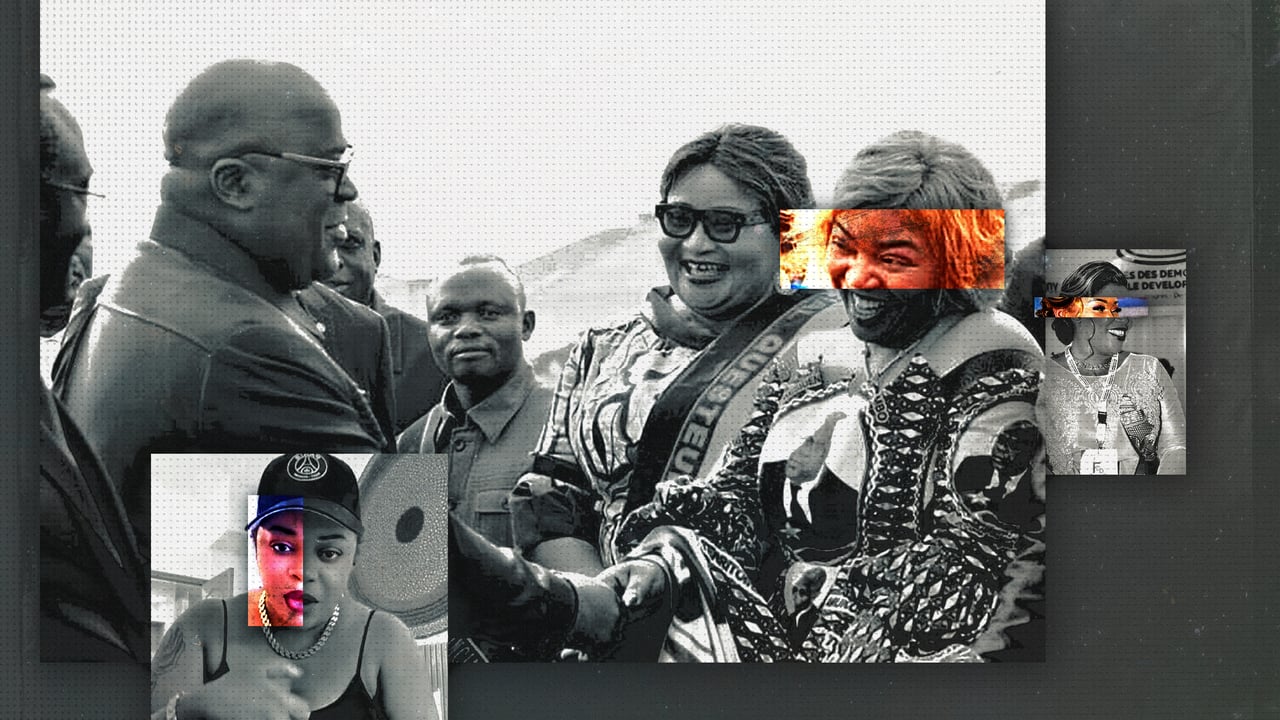
The arrest and secret detention of Congolese influencer Denise Dusauchoy in Kinshasa mark a notable development in the Democratic Republic of Congo's political landscape. Dusauchoy, a former reporter who transitioned from supporting Joseph Kabila to campaigning for Félix Tshisekedi, was apprehended in Tanzania on August 30 and repatriated via private jet. She is currently held in a residence of the National Cyberdefense Council, with the specific charges against her remaining undisclosed. Her fall from grace reportedly began after she publicly revealed a 2021 rape incident involving opposition figure Jacky Ndala, for which she was held responsible for his arrest and subsequently sentenced to prison before her release and apparent turn against the presidential family.
Dusauchoy's background as an alleged unofficial informant for intelligence services adds a layer of complexity to her situation. Sources suggest that the examination of her phones could potentially expose individuals who utilized her for their own purposes, indicating a deeper entanglement within the DRC's security apparatus. Her movements, including a reported visit to Goma, a region under AFC/M23 occupation, further fuel speculation about her activities and the reasons behind her current predicament. This incident highlights the precarious position of public figures who navigate the intersection of media, politics, and intelligence in the DRC.
Saddam Haftar's Sahel Ambitions
In Libya, Saddam Haftar, son of Marshal Haftar, is actively working to assert his influence across the Sahel region, employing a strategy that includes "hostage diplomacy." In August, his clan successfully negotiated the release of an American national kidnapped by EIGS in Niamey, as well as two Wagner mercenaries held by the Libyan National Army (LNA). This intervention, perceived as interference in Sahelian affairs by countries like Niger and Mali, underscores Haftar's ambition to position himself as a key regional player. Despite being considered for leadership in a Washington-backed unity government, the American plan faces significant hurdles.
Haftar's regional gambit is not without its internal fragilities. The assassination of General Fawzi Al-Mansouri, head of LNA intelligence, in Benghazi in August, and the defection of former supporter Mohamed Wardougou in Fezzan, point to ongoing challenges within his power base. Nevertheless, Haftar continues to forge strategic alliances, notably with Chad, deploying a joint force along a substantial border stretch. Concurrently, he has released and now arms Nigerien rebel leader Mahmoud Salah, reportedly out of frustration with Niamey's perceived preference for a rival warlord in Tripoli, further complicating regional security dynamics.
Ivorian Lawyers in Politics
Côte d'Ivoire is witnessing a growing trend where lawyers are becoming increasingly central to the nation's political battles, moving beyond their traditional roles in the courtroom. These legal professionals are now actively advising political parties, defending their leaders, acting as spokespersons, and even engaging in political campaigning or running for elections themselves. This shift is exemplified by figures like Patrice Gueu, a militant of the ruling RHDP, who is set to plead against the PDCI, the main opposition party, in a high-stakes trial concerning its leadership. Gueu asserts his primary identity as a lawyer, framing the PDCI's challenges as internal struggles.
The involvement of lawyers like Jean-Chrysostome Blessy for the PDCI, Sylvain Tapi for Laurent Gbagbo's PPA-CI, and Abdoulaye Ben Méïté for the RHDP, illustrates the varying degrees of their political commitment. While some, like Calixte Esmel, claim to work pro bono without formal party affiliation, others openly embrace their political roles. This phenomenon extends beyond the courtroom, with lawyers like Séri Zokou, who previously represented Charles Blé Goudé at the ICC, acknowledging their role in shaping public narratives "for History" through media and support networks. This integration of legal expertise into the political arena signifies a deepening of legal influence in Ivorian governance and public discourse.
Key points
- Congolese influencer Denise Dusauchoy was secretly detained in Kinshasa after being repatriated from Tanzania, with unknown charges.
- Dusauchoy, a former political campaigner and alleged intelligence informant, faces scrutiny over her past actions and potential revelations from her seized phones.
- Saddam Haftar of Libya is expanding his influence in the Sahel through "hostage diplomacy" and military alliances, despite internal challenges.
- Ivorian lawyers are increasingly involved in political strategy, advising parties, defending leaders, and even running for office.
- The article briefly notes geopolitical implications for Morocco from an Algeria-UAE rupture and Senegal's urgent debt restructuring schedule, without providing details.
If the situation with Denise Dusauchoy leads to greater transparency regarding intelligence operations, it could foster improved governance and accountability in the DRC. Saddam Haftar's diplomatic efforts, if channeled constructively, might contribute to regional stability and the resolution of conflicts in the Sahel. The increased involvement of lawyers in Ivorian politics could lead to more structured and legally sound political processes, potentially strengthening democratic institutions.
The secret detention of Denise Dusauchoy could signal a tightening grip on dissent and a lack of transparency in the DRC, potentially undermining human rights and political freedoms. Saddam Haftar's aggressive regional ambitions and alliances with rebel groups could further destabilize the Sahel, exacerbating existing conflicts and humanitarian crises. The politicization of the legal profession in Côte d'Ivoire might compromise judicial independence and fairness, leading to politically motivated legal battles rather than impartial justice.