Disposable fashion trend among Chinese tourists sparks waste and health concerns
A new trend among Chinese tourists involves buying 'disposable clothing' for travel, worn once for photos and then discarded, raising significant environmental and health concerns.
Intelligence analysis by Gemini 2.5 Flash
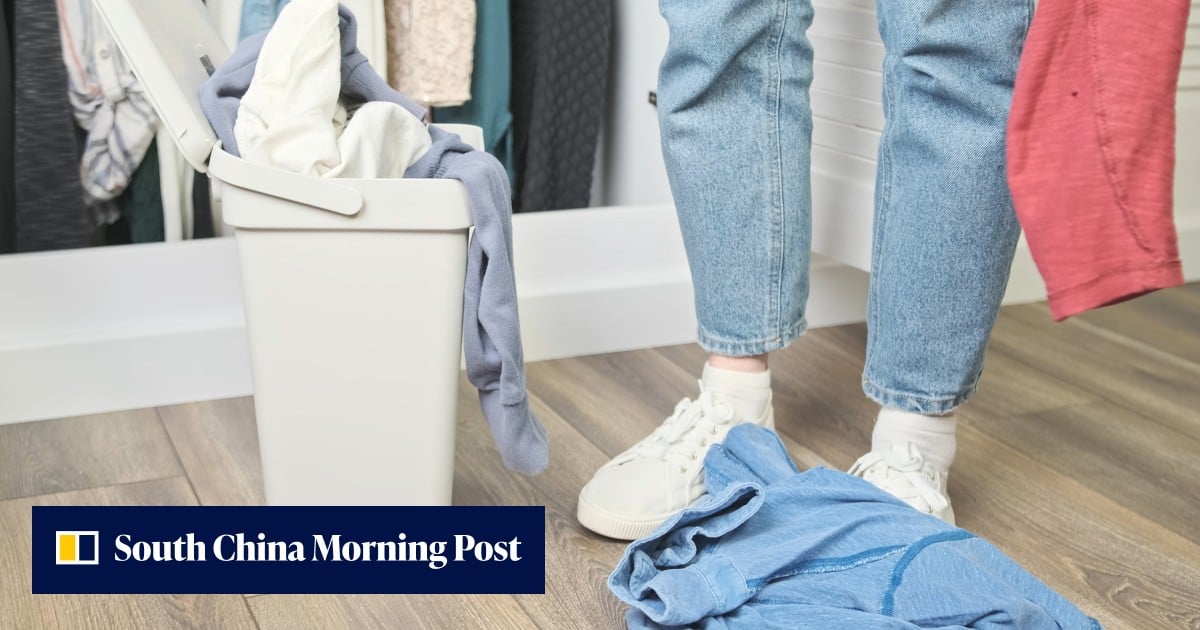
Chinese internet users have popularized 'disposable clothing' for travel, driven by its affordability and convenience. Tourists purchase cheap, often vibrant garments for specific trips, primarily for social media photos, with no intention of keeping them afterward. This practice has rapidly increased demand for such items, but also drawn criticism for contributing to textile waste an…
Imagine going on a trip and buying new clothes just for fun photos, like a fancy dress-up game, and then throwing them away instead of bringing them home. It's super cheap, like buying a snack, so people don't mind getting rid of them. But all those clothes end up in big piles of trash, which isn't good for our planet or for keeping things clean and healthy.
Analysis
The phenomenon of 'disposable fashion' among Chinese tourists has rapidly gained traction, transforming how some individuals approach travel attire. This trend is characterized by the purchase of inexpensive, often visually striking garments specifically for a trip, with the explicit intent of discarding them afterward. The primary motivation appears to be the desire for fresh, photogenic outfits for social media without the burden of packing or cleaning them post-vacation. This shift in consumer habits reflects a broader societal embrace of convenience and digital aesthetics, but it comes with substantial environmental and ethical implications.
15,000 Items
The scale of this trend is underscored by the sales figures reported by a women's apparel shop owner, who shared insights with the Chinese media outlet City Express. This particular shop sells approximately 15,000 items monthly, catering predominantly to customers aged 18 to 30. The high volume of sales indicates a significant market demand for these low-cost, single-use garments, suggesting that many similar businesses are likely thriving across China.
These items, ranging from 10 to 50 yuan (US$1.5 to US$7.5), are priced comparably to a budget meal, making them highly accessible. The affordability fuels the disposable nature of the clothing, as the perceived value is low enough that discarding them after minimal use is not seen as a financial loss. This business model, while profitable for retailers, directly contributes to the rapid turnover of textiles and the accumulation of waste.
200 Yuan
The economic appeal of disposable fashion is a key driver for its popularity, as exemplified by one individual's experience. She noted spending no more than 200 yuan (US$30) for five sets of clothes for a seven-day journey. This budget-friendly approach allows travelers to have a diverse wardrobe for their trips without a significant financial outlay, making it an attractive option for those looking to maximize their travel experience on a limited budget.
This low expenditure per trip encourages a mindset where clothes are viewed as temporary props rather than durable possessions. The cost-effectiveness, however, masks the broader environmental cost associated with the production, transportation, and eventual disposal of these garments. The convenience of not having to wash or store clothes post-trip further reinforces the appeal of this economical, yet wasteful, practice.
City Express
The Chinese media outlet City Express played a role in bringing this trend to public attention, highlighting the perspectives of both consumers and retailers. The shop owner interviewed by City Express detailed how his store strategically stocks different styles tailored to specific travel occasions, such as photogenic skirts for seaside trips or traditional hanfu attire for cultural festivals. This demonstrates a sophisticated understanding of the market and the specific desires of young travelers.
The media coverage has also served to spark public debate, with the term "disposable clothing" going viral on social media platforms, accumulating millions of views and discussions. This widespread attention, while raising awareness, also reflects the growing criticism regarding the environmental impact of such consumption patterns. The reporting by outlets like City Express is crucial in documenting and analyzing these emerging social and environmental challenges within China.
Key points
- The 'disposable clothing' trend involves Chinese tourists buying cheap garments for single-use during trips, primarily for social media photos.
- The hashtag for 'disposable clothing' has garnered 6.8 million views and 135,000 discussions on one social media platform.
- One shop owner reported selling around 15,000 items monthly, with bestsellers priced between US$1.5 and US$7.5.
- Tourists find the trend economical, with one individual spending only 200 yuan (US$30) for five outfits for a seven-day trip.
- The trend is drawing criticism for its significant environmental impact, contributing to waste and raising health concerns.
The proliferation of disposable fashion among Chinese tourists is set to significantly worsen textile waste, placing immense pressure on landfills and natural resources. This trend also normalizes a throwaway culture, potentially leading to broader environmental degradation and health concerns from discarded, low-quality garments.