Divorcing devices: how digital detox helps Hongkongers ‘carve out moments’
Hongkongers are increasingly embracing digital detoxes, from simple phone-free habits to weekend breaks, to combat stress, improve sleep, and regain focus in an always-on digital culture.
Intelligence analysis by Gemini 2.5 Flash
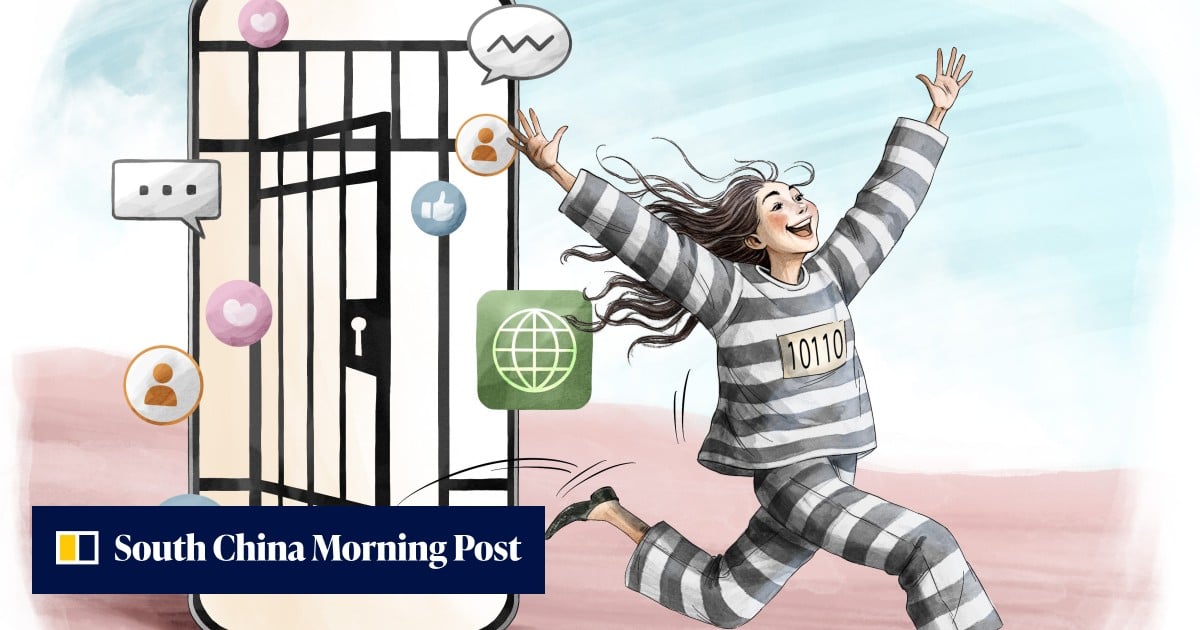
The article highlights a growing wellness trend in Hong Kong where residents are actively reducing screen time and device dependency. This movement is driven by individuals seeking to mitigate negative impacts like anxiety, sleep disorders, and reduced family time, which became more pronounced during the remote work era of the Covid-19 pandemic.
Imagine your phone is like a super fun toy that's always buzzing and showing you bright, exciting things. But sometimes, playing with it too much makes you tired, grumpy, and you miss out on playing with your friends or sleeping well. So, some grown-ups in Hong Kong are trying to put their 'toy' away for a bit, like putting it in a drawer or making its screen black and white, so they can have more time for other fun things and feel better.
Analysis
The increasing adoption of digital detox practices in Hong Kong signals a significant societal shift towards prioritizing mental and physical well-being in an era of pervasive connectivity. As highlighted in the article, the push for disconnecting is not merely a niche trend but a response to tangible negative impacts, including heightened anxiety, sleep disturbances, and strained personal relationships.
Robert Broad
Robert Broad, a 56-year-old resident, exemplifies the personal journey many Hongkongers are undertaking to reclaim balance. His experience during the Covid-19 pandemic, marked by extended screen time for remote work, led to a noticeable decline in his health and social interactions. Broad's proactive steps, such as placing his phone in a drawer upon returning home and disabling non-essential notifications, illustrate practical strategies individuals are employing.
His decision to switch his phone to greyscale is a particularly insightful tactic, making the device less visually stimulating and thus less appealing for casual use. This small but effective change underscores the intentionality behind digital detox efforts, moving beyond mere abstinence to actively redesigning one's interaction with technology. Checking emails in batches and setting a strict cut-off time of 8:30 pm further demonstrate a disciplined approach to managing digital boundaries.
Covid-19 pandemic
The Covid-19 pandemic served as a critical catalyst for many individuals, including Robert Broad, to re-evaluate their relationship with digital devices. The necessity of remote work and increased reliance on screens for both professional and social connections inadvertently exacerbated issues related to excessive usage. This period brought into sharp focus the detrimental effects on physical and mental health, as well as the erosion of quality time with loved ones.
The collective experience of the pandemic underscored the urgency for self-care routines that actively counter digital overload. For many, the forced immersion into a fully digital lifestyle during lockdowns revealed the hidden costs of constant connectivity, prompting a conscious effort to seek balance. The article positions digital detox as a direct outcome of these pandemic-induced reflections, transforming it from a niche concept into a more widely embraced wellness strategy.
Greyscale
The use of greyscale mode on smartphones, as adopted by Robert Broad, represents a clever psychological hack to reduce device appeal. By stripping away the vibrant colors that make apps and interfaces engaging, the phone becomes less stimulating and addictive. This technique leverages behavioral science to subtly discourage mindless scrolling and excessive interaction, making the device primarily a tool rather than a source of constant entertainment.
This specific strategy is indicative of the thoughtful and often experimental approaches individuals are taking to manage their digital habits. It moves beyond simply turning off notifications to actively altering the user experience to make it less compelling. Such innovative personal adjustments highlight the depth of commitment among Hongkongers to genuinely disconnect and foster a healthier relationship with their technology, carving out moments for real-world engagement.
Key points
- Hongkongers are increasingly adopting digital detox practices to manage stress and improve well-being.
- Excessive screen use is linked to anxiety, depression, and sleep disorders, according to experts.
- The Covid-19 pandemic highlighted the negative impacts of prolonged screen time, prompting many to seek balance.
- Individuals like Robert Broad employ strategies such as disabling non-essential notifications, setting screen time limits, and using greyscale mode.
- Digital detox aims to help residents reclaim focus and quality time with family and friends.
The growing trend of digital detox in Hong Kong suggests a positive shift towards greater awareness of digital well-being and mental health. As more individuals adopt these practices, it could lead to a healthier, more balanced society with improved personal relationships and reduced stress levels.
Despite the benefits, the pervasive nature of digital devices and the 'always-on' culture make sustained digital detox challenging. Individuals may struggle to maintain these habits, potentially leading to cycles of disconnection and reconnection that could cause further stress or feelings of being left out.