Does Analogue 3D really make retro games 4K? Here's what you should know
Engadget examines Analogue's FPGA-based Nintendo 64 recreation, clarifying that its 4K HDMI output is upscaled rather than native 4K rendering. The $250 console delivers a notably cleaner picture than a stock N64 on modern displays.
Intelligence analysis by Llama
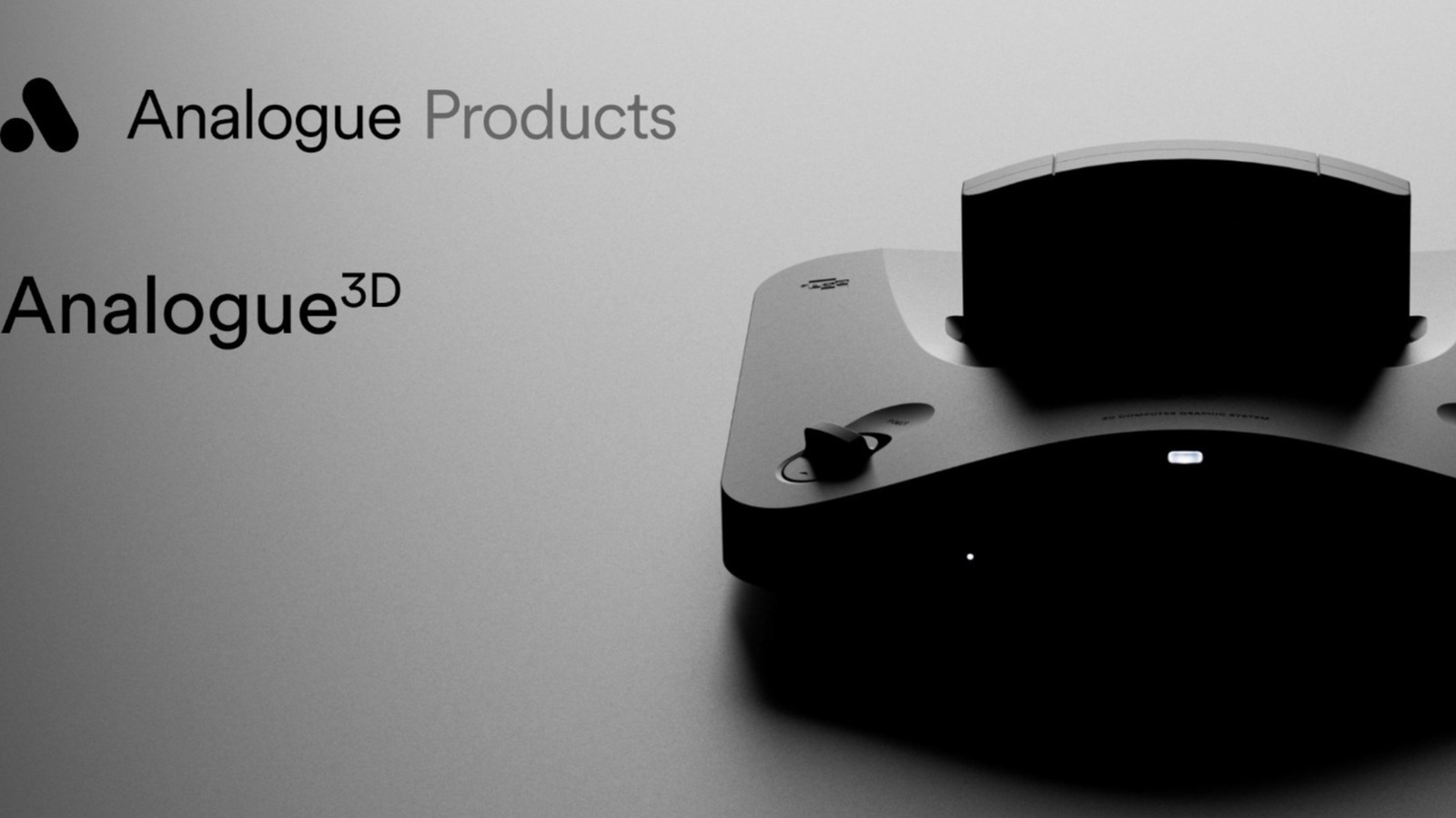
The Analogue 3D outputs a 4K HDMI signal but doesn't render N64 games in native 4K. Instead, it uses FPGA hardware to process and upscale original cartridges, removing blur and adding CRT-style display modes for retro enthusiasts.
A new box called the Analogue 3D plays old Nintendo 64 games on a modern TV. The original games were blurry and small, but this box cleans them up so they look much sharper, kind of like wiping smudged glasses. It costs $250 and uses the actual old game cartridges.
Analysis
FPGA
The Analogue 3D distinguishes itself from typical emulation through its use of an FPGA, a programmable chip configured to reproduce the Nintendo 64's original operation. Unlike software emulators that translate legacy code for modern processors, FPGA-based hardware recreation aims for cycle-accurate fidelity, behaving like the original silicon rather than approximating it. According to the article, this approach allows Analogue to sidestep trademark concerns while delivering accuracy that conventional emulators struggle to match. The result is hardware-level authenticity that can apply performance modes to specific games without the artifacts introduced when a stock N64 is connected to a modern display.
Original Display Modes
The console's 4K HDMI output pairs with customizable Original Display Modes that let players reintroduce the visual character of cathode ray tube displays on modern panels. These modes simulate scanlines, phosphor intensity and the subtle warmth of vintage screens, all on a 65-inch 4K display. The article notes that Analogue highly recommends using a 4K display for the best experience, especially for Original Display Modes, which will only work on 4K hardware. This is a meaningful differentiator from stock consoles connected through adapters, which tend to look blurry, blocky or oddly processed on modern TVs.
32-bit color
The Analogue 3D processes the N64's image before it reaches the TV, removing the original system's blur filter, preserving its 32-bit color, and adjusting texture filtering and anti-aliasing. It can also double a game's horizontal resolution before sending the signal out as 4K. This is not equivalent to native 4K rendering, since most N64 games were rendered at 320 x 240, with some reaching 640 x 480, but the processing pipeline effectively cleans up the famously blurry textures, distance fog and uneven frame rates that defined the original experience. For $250, the article argues, the device delivers a faithful, better-looking version of the original experience that goes well beyond standard upscaling.
Key points
- Analogue 3D outputs a 3,840 x 2,160 HDMI signal but does not render N64 games in native 4K
- Original N64 games commonly ran at 320 x 240 with some reaching 640 x 480
- The console uses an FPGA chip to reproduce the N64's original operation rather than software emulation
- It processes the image before output, removing blur, preserving 32-bit color and adjusting texture filtering
- Original Display Modes simulate CRT effects like scanlines and phosphor glow, but only work on 4K displays
- The console is priced at $250 and supports physical N64 cartridges, original controllers and Bluetooth or USB gamepads
If the Analogue 3D succeeds, it could establish FPGA-based recreation as a credible alternative to software emulation for retro collectors who value authenticity. The combination of 4K upscaling, 32-bit color preservation and customizable Original Display Modes may also inspire similar hardware efforts for other classic consoles still waiting for a premium modern solution.
The $250 price tag and the requirement that buyers already own physical N64 cartridges limits the audience to dedicated collectors rather than casual retro curious users. The 4K marketing language, as the article notes, is technically accurate but may invite criticism from buyers expecting native high-resolution rendering rather than upscale-and-clean output.