'Don’t equate me with God, election is over, ' Nigerian governor warns supporters, political associates
Ekiti State Governor Biodun Oyebanji has cautioned his supporters and political associates against using grandiose appellations and equating him with God, urging them to simply address him as "Mr Governor." He emphasized that all praise belongs to God Almighty and the ele…
Intelligence analysis by Gemini 2.5 Flash
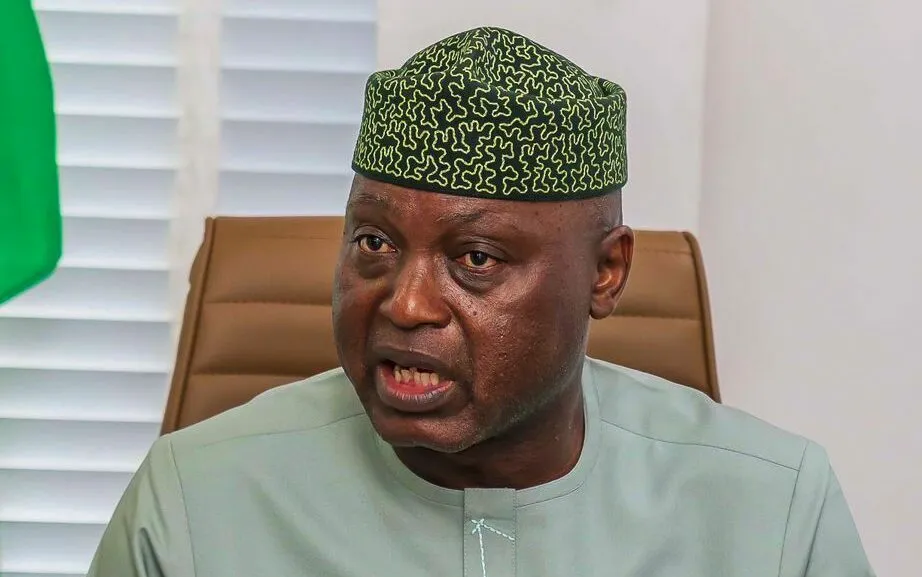
Governor Biodun Oyebanji of Ekiti State has publicly admonished his political base to cease excessive praise-singing and the use of hyperbolic titles like "Jinx Breaker" or "History Maker." He stressed that such attributes are reserved for God and that, with the election concluded, he prefers the simple title of "Mr Governor," aiming to foster humility and refocus on governance rather…
Imagine a school principal who just won a big election to lead the school. Instead of letting everyone call him "Super Principal" or "The Best Ever," he tells them, "Hey, just call me Mr. Principal. The election is done, and we need to focus on making the school great, not on how special I am." He wants everyone to remember that he's just a person doing a job, and all the really big praise belongs to God.
Analysis
Biodun Oyebanji's Stance
Ekiti State Governor Biodun Oyebanji has taken a notable step by publicly rejecting the culture of excessive praise-singing and the use of deifying appellations by his supporters and political associates. His directive to be addressed simply as "Mr Governor" underscores a desire to move beyond the celebratory fervor of the election period and to ground his administration in humility. This stance is particularly significant within the Nigerian political landscape, where leaders often embrace or at least tolerate elaborate titles and adulation, which can sometimes foster a personality cult rather than a focus on public service. Oyebanji's call for restraint suggests an intention to set a different tone for his tenure, prioritizing the responsibilities of his office over personal glorification.
Post-Election Dynamics
The governor's statement, "election is over," serves as a clear demarcation point, signaling a transition from campaign rhetoric and political mobilization to the practicalities of governance. This shift is crucial for any administration, as it implies a move from seeking power to exercising it responsibly. By discouraging the equating of himself with divine attributes, Oyebanji is attempting to temper expectations and remind his followers that his authority is temporal and derived from the people, not from a higher power. This post-election recalibration could help in fostering a more realistic and accountable political environment, where leaders are judged by their performance rather than by the grandeur of their titles.
Implications for Governance
Oyebanji's rejection of deifying titles carries broader implications for governance and political culture in Nigeria. It challenges a deeply ingrained tradition where political success often leads to an elevation of the individual beyond reproach, potentially hindering constructive criticism and accountability. By insisting on humility, the governor may be attempting to create an atmosphere where his administration can be more accessible and responsive to the needs of the populace, rather than being insulated by a wall of sycophancy. This approach, if consistently maintained, could encourage a more service-oriented leadership model and potentially inspire other political figures to adopt similar principles, fostering a healthier democratic practice.
Key points
- Ekiti State Governor Biodun Oyebanji warned supporters against excessive praise-singing.
- He specifically rejected grandiose appellations like "Jinx Breaker" and "History Maker."
- Oyebanji stated that such attributes belong solely to God Almighty.
- He requested to be addressed simply as "Mr Governor" now that the election is over.
- The governor's stance aims to promote humility and refocus on governance.
Governor Oyebanji's call for humility could foster a more accountable and service-oriented political culture in Ekiti State, potentially leading to better governance and a stronger focus on public welfare. This stance might also inspire other Nigerian politicians to reject sycophancy, promoting a healthier democratic environment across the nation.
Despite the governor's intentions, the deeply entrenched culture of political praise-singing in Nigeria might prove difficult to dismantle, potentially leading to his directives being ignored or only superficially followed by ambitious associates. This could undermine his efforts to promote humility and accountability, leaving the underlying political dynamics largely unchanged.


