DRC: When Copper Eclipses Cobalt in the Race for Critical Minerals
The Democratic Republic of Congo's mining sector is witnessing a significant pivot from cobalt to copper, driven by rising copper prices and restrictions on cobalt exports. Major operators like Glencore are increasing copper production while reducing cobalt output.
Intelligence analysis by Gemini 2.5 Flash
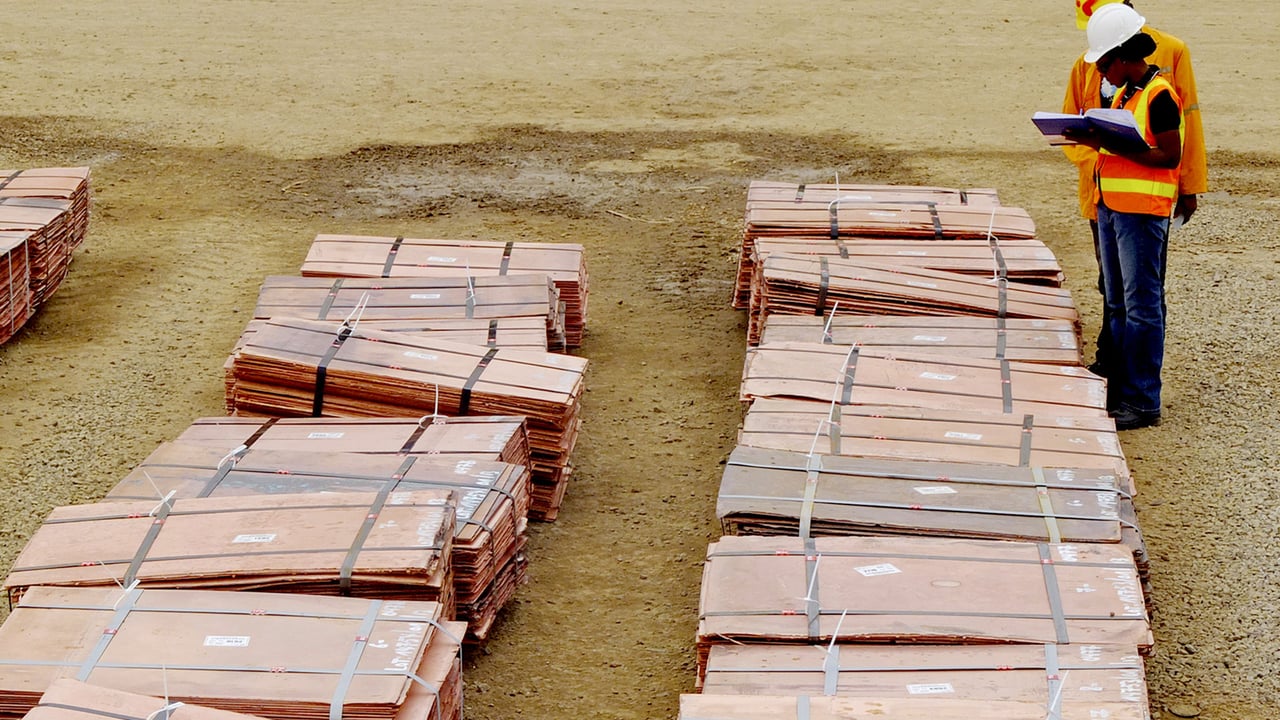
In the Democratic Republic of Congo, the mining landscape is shifting as copper gains prominence over cobalt. Global demand for copper, coupled with higher prices and export limitations on cobalt, is prompting large mining groups to reorient their strategies towards the red metal, impacting the country's economy and global critical mineral supply.
Imagine the DRC has two special shiny rocks, copper and cobalt. For a while, everyone wanted cobalt for things like phone batteries. But now, more people want copper for electric cars and clean energy, and it's selling for a lot more money. Also, it's gotten harder to sell cobalt from the DRC. So, big mining companies are now digging up way more copper and less cobalt, like switching from selling blue marbles to red marbles because red ones are more popular and easier to sell.
Analysis
The Democratic Republic of Congo (DRC) is experiencing a notable reorientation within its critical minerals sector, with copper increasingly overshadowing cobalt. This strategic pivot is primarily fueled by two key factors: the sustained rise in global copper prices and the imposition of restrictions on cobalt exports. The article highlights that the global demand for copper now significantly surpasses that for cobalt, making the former a more attractive commodity for mining companies operating in the region.
Glencore's Performance
Evidence of this trend is clearly visible in the operational results of major mining groups. Glencore, a prominent player in the DRC, reported a substantial increase in its copper production during the first half of 2026. The company produced 397,000 tonnes of copper, marking a 15% rise, with a significant 138,400 tonnes originating from its African assets, representing a 66% increase. This surge in copper output stands in stark contrast to its cobalt production, which saw a sharp decline of 46% to 10,200 tonnes over the same period. These figures underscore a deliberate strategic shift by Glencore to capitalize on the more favorable copper market dynamics.
Tenke Fungurume
The article references operations at Tenke Fungurume, a copper mine located in the Katanga province, illustrating the on-the-ground reality of this shift. Workers at such sites are actively involved in preparing copper cathode sheets for shipment, indicating robust production and export activities for the metal. The focus on copper at facilities like Tenke Fungurume reflects the broader industry trend where investments and operational efforts are being redirected towards maximizing copper extraction and processing capabilities. This emphasis is a direct response to market signals and the DRC's evolving mineral policy landscape.
Katanga Province
The Katanga province, a mineral-rich region in the southern DRC, remains central to the country's mining fortunes. Historically known for both copper and cobalt, its role is now increasingly defined by copper production. The strategic decisions made by mining companies in this province, such as Glencore's pivot, have profound implications for local economies, employment, and the DRC's overall revenue from its natural resources. The shift in focus within Katanga underscores the province's adaptability to global market demands and its continued importance as a hub for critical mineral extraction, albeit with a changing commodity hierarchy.
Key points
- The DRC's mining sector is pivoting from cobalt to copper due to rising copper prices and cobalt export restrictions.
- Glencore's H1 2026 results show a 15% increase in copper production (66% from African assets) and a 46% drop in cobalt production.
- Global demand for copper now significantly exceeds that for cobalt, influencing mining companies' strategies.
- The shift impacts the DRC's economy and global supply chains for critical minerals used in green technologies.
The increased focus on copper production could significantly boost the DRC's export revenues and contribute to global efforts in renewable energy and electric vehicle manufacturing. This pivot may also lead to more stable economic growth for the country, given copper's high demand and price stability compared to the more volatile cobalt market.
An over-reliance on copper could expose the DRC to future market fluctuations if copper prices decline or if new sources emerge. Furthermore, the restrictions on cobalt exports, while driving the current shift, could hinder the country's ability to fully capitalize on its diverse mineral wealth should cobalt demand or prices rebound.