Earthquake in Colombia: Criticism of President de la Espriella Grows
Following a devastating earthquake in western Colombia, President Abelardo de la Espriella faces mounting criticism for his government's slow and politically selective response to foreign aid offers.
Intelligence analysis by Gemini 2.5 Flash
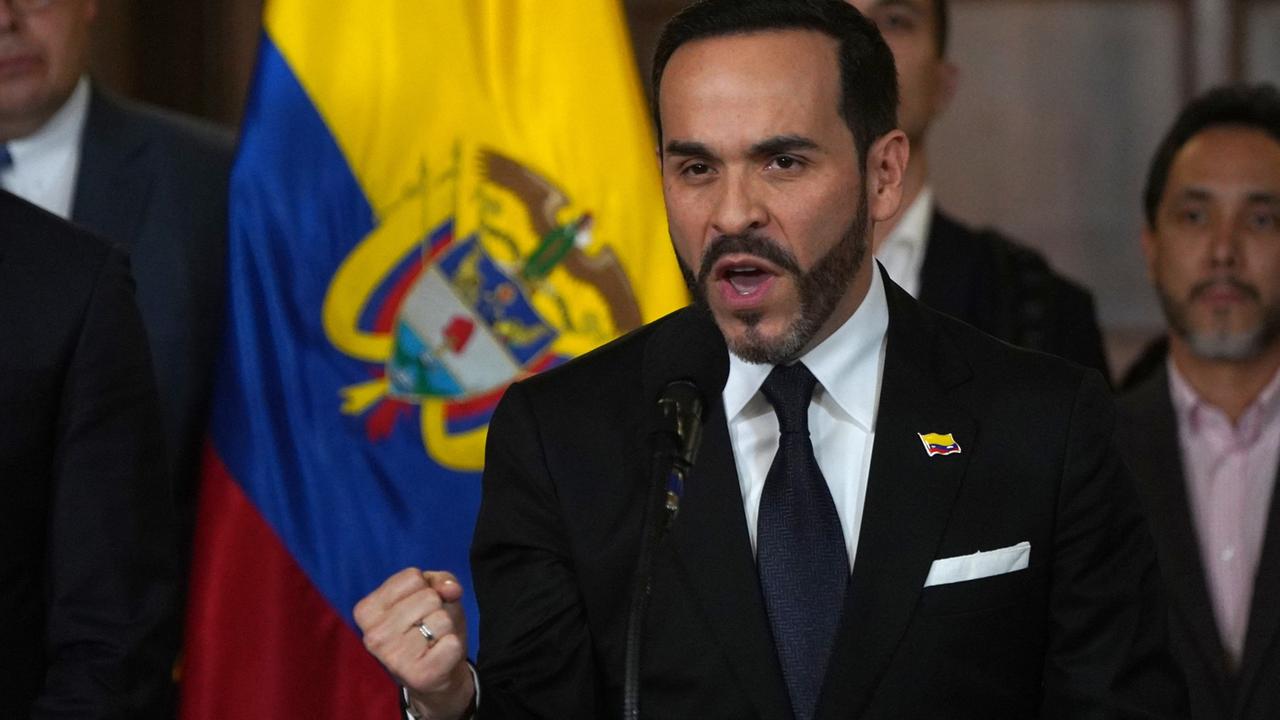
Colombia's new President, Abelardo de la Espriella, is under fire just a week into his term after a major earthquake. Volunteers are leading rescue efforts while the government is accused of rejecting crucial international assistance, only allowing aid from politically aligned nations, and struggling with chaotic internal structures.
Imagine a big earthquake shakes a country, and many people need help. A new leader, President de la Espriella, has just started his job. Instead of letting everyone who wants to help come in right away, he says they have enough help, even though people are still stuck under buildings. He only lets helpers from countries he likes politically come in. This makes many people upset because they think he's putting politics before saving lives, like trying to play a game when everyone just needs to work together.
Analysis
The recent earthquake in western Colombia has quickly escalated into a political crisis for the newly inaugurated President Abelardo de la Espriella. His administration's handling of the disaster, particularly its initial reluctance to accept foreign aid and its perceived political selectivity in doing so, has drawn widespread condemnation both domestically and internationally. The situation underscores the fragility of governance during emergencies, especially when compounded by political transitions and deep societal divisions.
Abelardo de la Espriella
President Abelardo de la Espriella, a right-conservative populist and political newcomer, assumed office less than a week before the earthquake struck. His administration's initial decision to decline offers of foreign rescue teams, insisting that Colombia had sufficient resources, was met with disbelief as volunteers on the ground struggled with inadequate support. This stance was later partially reversed, but only after significant public outcry and as the critical 72-hour window for rescues was closing. The president's actions are seen by critics as an attempt to project an image of self-reliance and strong leadership, potentially at the expense of effective disaster response.
His political background, marked by rhetoric against international organizations and a desire to distance himself from the previous progressive government, appears to be influencing his crisis management. According to Anna-Lena Dießelmann, a social researcher in Cali, the president aims to demonstrate that he can 'put the country back in order' largely on his own terms. This approach, however, has led to accusations that political alignment, rather than humanitarian need, dictates which countries' aid is accepted, with only teams from politically close nations like the USA reportedly receiving approval.
Pereira
The city of Pereira, in western Colombia, bore the brunt of the earthquake, with an eight-story hotel among the many buildings reduced to rubble. In the immediate aftermath, local volunteers like Paula Campos stepped up, forming human chains to clear debris and search for survivors with their bare hands. Their tireless efforts highlight the critical gap left by the delayed and insufficient state response. These grassroots initiatives provided essential support, including medicine, sleeping bags, and shelter, filling a void where official rescue teams were conspicuously absent for extended periods.
The volunteers' determination, working around the clock with the belief that survivors could still be found, stands in stark contrast to the government's perceived inaction. The article emphasizes that the decisive 72-hour window for rescue operations was nearing its end, making the delay in deploying specialized foreign teams particularly egregious. The scenes of ordinary citizens risking their lives to help underscore the human cost of political maneuvering during a natural catastrophe.
Anna-Lena Dießelmann
Anna-Lena Dießelmann, who has lived in Cali for 14 years and coordinates humanitarian aid locally, provides crucial context for the political dynamics at play. She notes that 'there is no humanitarian aid that is completely unpolitical,' suggesting that the president's decisions are deeply rooted in his political agenda. Dießelmann explains that de la Espriella is attempting to differentiate himself from the previous administration, blaming many of Colombia's current problems on the 'last four years of this progressive government' and its alleged failure to maintain functional institutions.
This political polarization has had tangible consequences for disaster relief. The lack of an organized handover between administrations meant that the new president was unfamiliar with existing structures, and some disaster relief agencies still had personnel from the previous government. This chaotic and politically charged environment, as Dießelmann points out, directly impacts those in urgent need of help, turning a natural disaster into a crisis exacerbated by political infighting and institutional disarray.
Key points
- A major earthquake in western Colombia has led to widespread criticism of newly inaugurated President Abelardo de la Espriella's disaster response.
- The government initially rejected foreign aid offers, claiming sufficient domestic resources, despite volunteers struggling on the ground.
- Criticism intensified as the government reportedly only approved rescue teams from politically aligned countries, such as the USA.
- Experts suggest President de la Espriella's actions are driven by a desire to distance himself from the previous administration and project an image of strong, independent leadership.
- Chaotic government structures and political polarization following a disorganized transition of power are hindering effective aid coordination.
The current political infighting and the new president's perceived politicization of disaster relief could severely hamper recovery efforts, leading to prolonged suffering for earthquake victims and further eroding public trust in government institutions. This approach risks isolating Colombia from international support and exacerbating existing societal divisions.