EasyJet bidder is still offering less than a full ticket
EasyJet rejected a £4.7bn takeover offer from Castlelake, with the bid being deemed too low. The offer of 625p per share is below the market price, and the company's solid balance sheet and potential long-term upside make it an unattractive deal.
Intelligence analysis by Llama 3.3 70B
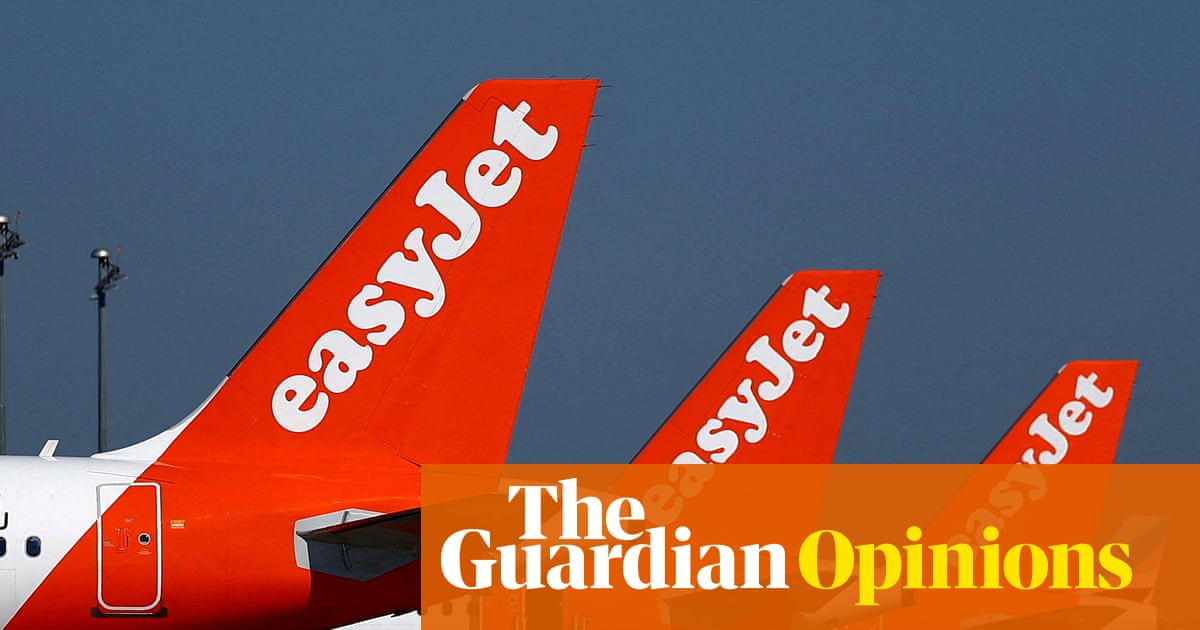
Castlelake's takeover bid for EasyJet has been rejected, with the offer being deemed too low and the company's future prospects looking brighter than the current outlook.
Imagine you own a lemonade stand, and someone wants to buy it from you. They offer you a price that's lower than what you think it's worth, so you say no. That's what's happening with EasyJet, a big airline company. Someone wants to buy it, but they're not offering enough money, so EasyJet is saying no.
Analysis
The Takeover Bid
Castlelake's £4.7bn takeover offer for EasyJet has been rejected by the company's board of directors. The offer of 625p per share is below the market price, and the company's solid balance sheet and potential long-term upside make it an unattractive deal. The bid structure, which involves an EU partner with majority voting rights, has also raised concerns about deliverability and compliance with EU ownership rules.
The rejection of the bid is not surprising, given the wide gap between the offer price and the market price. EasyJet's shares have not traded at the offered price since early 2022, and the company's financial performance has been underwhelming compared to its rival Ryanair. However, the airline's balance sheet is solid, with £5bn in assets, including 208 owned aircraft and landing slots.
The Role of Stelios Haji-Ioannou
Stelios Haji-Ioannou, EasyJet's founder and 15% shareholder, has remained silent on the takeover bid. His support is crucial for Castlelake, as it would provide a significant boost to the bid's chances of success. However, Stelios' silence has led to skepticism in the market, with the stock price reflecting the uncertainty surrounding the bid.
The outcome of the takeover bid will depend on the level of support from EasyJet's shareholders, including Stelios. If the bid is to succeed, Castlelake will need to convince shareholders that the offer is fair and that the company's future prospects are brighter under its ownership. However, the current offer price and bid structure have raised concerns, and it remains to be seen whether Castlelake will revise its offer or abandon its pursuit of EasyJet.
The Future of EasyJet
The rejection of the takeover bid has significant implications for EasyJet's future. The company's management will need to demonstrate its ability to deliver on its medium-term targets, including a profit of £1bn-plus. The airline's cost-saving programs and potential for long-term growth will be crucial in determining its future success.
The takeover bid has also raised questions about the airline industry's future, particularly in the context of EU ownership rules. The bid structure proposed by Castlelake has sparked concerns about the potential for non-EU investors to gain control of European airlines, and the implications for the industry's competitiveness and regulation.
Key points
- Castlelake's £4.7bn takeover offer for EasyJet has been rejected
- The offer price of 625p per share is below the market price
- EasyJet's balance sheet is solid, with £5bn in assets
- Stelios Haji-Ioannou's support is crucial for the bid's success
If Castlelake revises its offer and provides a more attractive deal, EasyJet's shareholders may be willing to consider it. This could lead to a successful takeover and potentially positive outcomes for the company and its employees. Additionally, the rejection of the bid may prompt EasyJet's management to focus on delivering on its medium-term targets, leading to improved financial performance and a stronger competitive position.
The rejection of the takeover bid may lead to further uncertainty and volatility for EasyJet's shareholders. If Castlelake abandons its pursuit of EasyJet, the company may face challenges in delivering on its medium-term targets, particularly in a competitive and regulated industry. The bid structure and EU ownership rules may also create complications and risks for the company's future.