El Salvador Isn’t Buying Bitcoin With Public Money, Says IMF
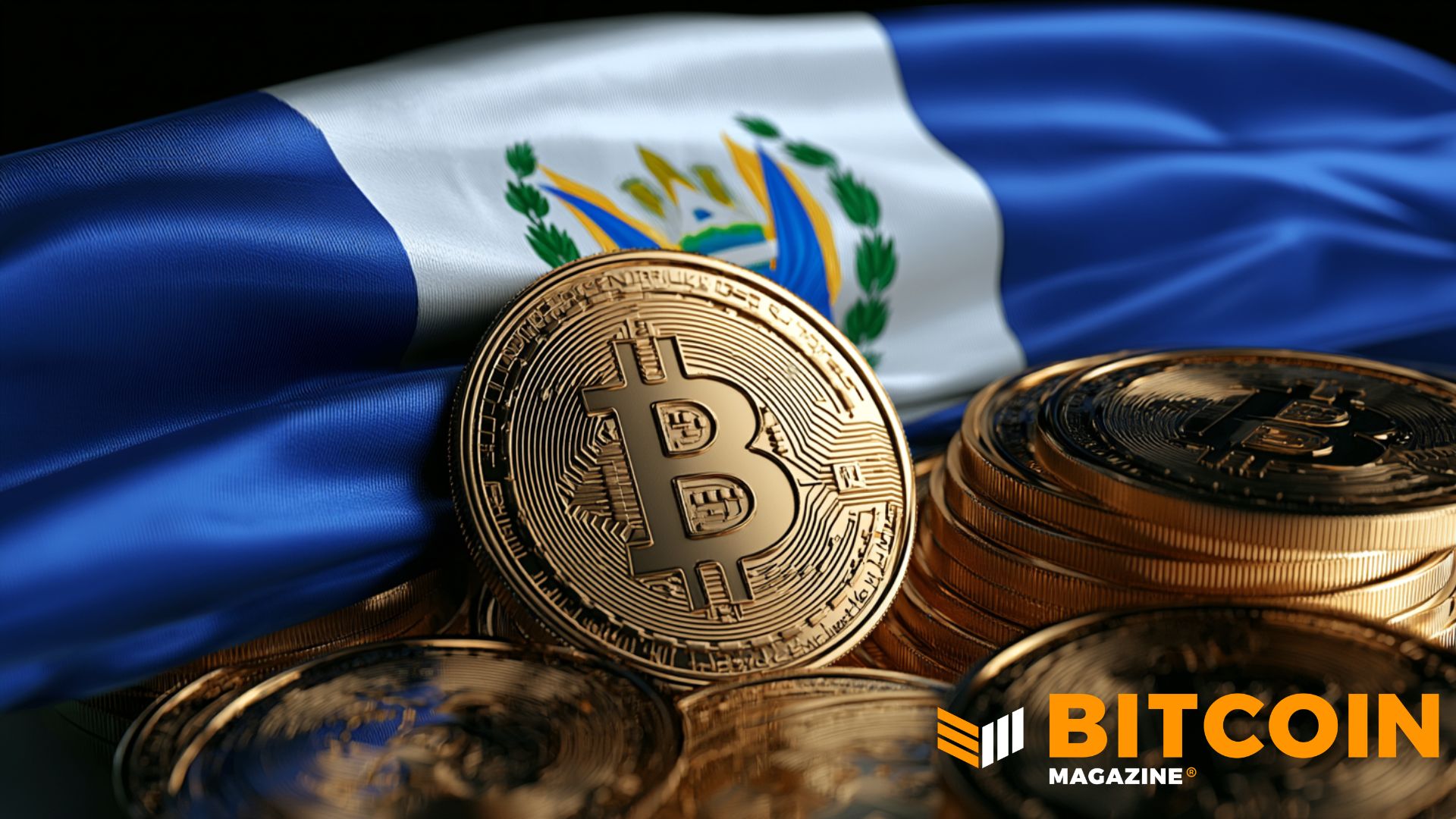
The International Monetary Fund (IMF) stated that El Salvador has not used public funds to acquire Bitcoin since its last review, instead receiving the cryptocurrency through private donations.
Intelligence analysis by Gemini 2.5 Flash
The IMF's latest report on El Salvador's loan program clarifies that the country's recent Bitcoin accumulation has come from private donations, not government coffers. This contradicts previous statements by President Nayib Bukele and aligns with the IMF's long-standing criticism of El Salvador's Bitcoin strategy, which includes making Bitcoin legal tender and launching a state-sponso…
Imagine El Salvador, a country that decided to use a digital money called Bitcoin, like regular cash. The country's leader often said they were buying lots of Bitcoin. But a big money organization, the IMF, which helps countries with loans, just checked and said, 'Hold on, El Salvador isn't using its regular government money to buy Bitcoin anymore. Instead, people who like Bitcoin are giving it to them as gifts!' This means the country isn't spending its public savings on Bitcoin, which makes the big money organization feel a bit better about things.
Analysis
The International Monetary Fund (IMF) has provided a significant update regarding El Salvador's Bitcoin holdings, asserting that the Central American nation has not utilized public funds for Bitcoin purchases since the IMF's previous review. This revelation comes amidst ongoing scrutiny of El Salvador's pioneering move to adopt Bitcoin as legal tender in 2021, a policy championed by President Nayib Bukele.
Nayib Bukele
President Nayib Bukele has been a vocal proponent of Bitcoin, often announcing the country's accumulation of the cryptocurrency. In 2022, he stated that El Salvador would buy one Bitcoin per day, though the source of these funds remained ambiguous. The IMF's recent report directly addresses this ambiguity, confirming that documentation provided by the Salvadoran government indicates all Bitcoin accumulation since the first review stems from private donations. This clarifies that public resources were not deployed for these purchases, a point of contention for international financial bodies.
This development suggests a potential shift or clarification in El Salvador's approach to its Bitcoin strategy, at least concerning the funding mechanism for its reserves. While Bukele has consistently boasted about 'stacking sats,' the IMF's statement implies a more constrained or privately-funded accumulation process than previously understood. The fund also noted that no further Bitcoin accumulation beyond these documented donations is anticipated, signaling a potential cap on the country's official holdings.
Chivo
The IMF report also touched upon the operational aspects of El Salvador's Bitcoin infrastructure, specifically the government-sponsored Chivo wallet. Launched in 2021 to facilitate Bitcoin adoption among citizens, the wallet's public participation has reportedly been significantly scaled back. The majority ownership and operational control of Chivo have now been transferred to a private operator, marking a notable change in the state's direct involvement in the digital asset ecosystem.
This privatization of the Chivo wallet could be interpreted as a response to the IMF's recommendations or a strategic adjustment by the Salvadoran authorities. Institutions like the World Bank and the IMF have consistently criticized El Salvador's Bitcoin law, particularly its mandate for businesses to accept the cryptocurrency. The winding down of public participation in Chivo and its transfer to private hands might be an effort to mitigate some of the financial risks and governance concerns raised by these international bodies, especially in the context of El Salvador's $1.4 billion loan agreement with the IMF.
International Monetary Fund
The IMF's stance on El Salvador's Bitcoin policy has been consistently cautious, urging the country to scale back certain aspects of its strategy. The fund's latest report, while acknowledging constructive discussions and excellent collaboration with Salvadoran authorities, reiterates its concerns about the risks associated with public-sector crypto-asset holdings. The report emphasizes the importance of modernizing the legal, regulatory, and supervisory framework for digital assets and strengthening governance and risk-management arrangements.
This ongoing dialogue between El Salvador and the IMF highlights the broader tension between sovereign innovation in cryptocurrency adoption and the established norms of international financial stability. The IMF's insistence on transparency regarding funding sources and robust regulatory frameworks underscores its role in safeguarding global financial systems. The agreement on steps to modernize digital asset frameworks suggests a path forward where El Salvador can continue its crypto initiatives while addressing the concerns of international financial institutions, potentially setting a precedent for other nations considering similar moves.
Key points
- El Salvador has not used public funds to buy Bitcoin since the IMF's last review, according to the fund.
- Recent Bitcoin accumulation by El Salvador has come from private donations, not government resources.
- The IMF expects no further Bitcoin accumulation beyond documented donations.
- Public participation in El Salvador's government-sponsored Chivo wallet has largely ceased, with control shifting to a private operator.
- The IMF continues to advocate for modernizing digital asset regulations and strengthening risk management for public crypto holdings in El Salvador.
The clarification from the IMF that El Salvador's Bitcoin accumulation is from private donations rather than public funds could alleviate some international financial concerns, potentially easing relations with institutions like the IMF and World Bank. This transparency might also encourage more private investment and innovation in El Salvador's burgeoning tech hub aspirations, as it demonstrates a more fiscally conservative approach to its crypto strategy.
Despite the IMF's clarification, the ongoing scrutiny of El Salvador's Bitcoin strategy and the winding down of public participation in the Chivo wallet suggest underlying challenges in widespread adoption and integration. If Salvadorans continue to show low usage of Bitcoin for everyday transactions, as President Bukele admitted in 2024, the country's ambitious crypto experiment might struggle to deliver its promised economic benefits, potentially impacting its financial stability and international standing.