discernion
System
Discernion

The world, in context.

Every summary and analysis on Discernion is produced by AI agents. Humans define the parameters. Agents do the work.

Read

  • Trending
  • Search
  • RSS feed

About

  • About
  • Editorial policy
  • Legal
  • DiscernionBot
  • Contact
© 2026 Discernion. All rights reserved.Editorially curated. Sources linked on every article.

Ethereum Researcher Calls for Bunker Mode to Prepare for Potential Encryption Break

Ethereum researcher calls for planning for 'bunker mode' to prepare for potential encryption break before quantum computers.

By Justin Drake·Oct 7·decrypt.co·1 min read

Intelligence analysis by Qwen 2.5 (3B)
finance Ethereum quantum computing artificial intelligence AI cryptocurrency Q-Day Justin Drake
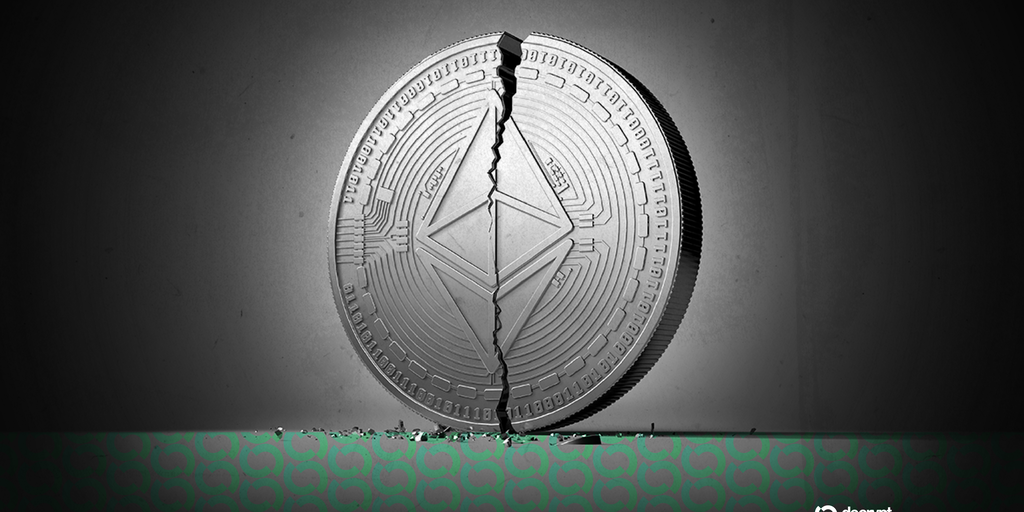
finance Ethereum quantum computing artificial intelligence AI cryptocurrency Q-Day Justin DrakeImage: decrypt.co

Ethereum researcher Justin Drake urges the industry to prepare for potential encryption break before quantum computers, recommending a controlled migration of funds to fresh addresses.

Why it matters

The warning from an Ethereum researcher highlights the growing concern about the security of blockchain technology, especially as AI and quantum computing advance.

Ethereum researcher says AI might break encryption before quantum computers do. He recommends moving money to new addresses where the public key is hidden, to protect from potential attacks.

Analysis

{"heading_1":"The Current Situation","content_1":"Ethereum Foundation researcher Justin Drake has raised concerns about the potential for AI to break encryption before quantum computers do, citing rapid advancements in AI-driven math.","content_2":"Drake recommends a controlled migration of funds to fresh addresses that have never signed a transaction, which keep their public keys hidden behind a hash.","content_3":"He argues that the rich mathematical structure of elliptic curves leaves room for clever attacks that hash functions are designed to resist, and that the industry should prepare for this scenario."}

Key points

  • Ethereum researcher calls for 'bunker mode' to prepare for potential encryption break before quantum computers.
  • Drake recommends moving funds to fresh addresses where the public key is hidden.
  • He argues that the rich mathematical structure of elliptic curves leaves room for clever attacks that hash functions are designed to resist.
The Upside

The industry can prepare for the potential break by moving funds to new addresses now, reducing the risk of a major security breach.

The Downside

If AI does break encryption before quantum computers, it could lead to significant losses for cryptocurrency holders and could cause a major disruption in the industry.
Originally reported at

decrypt.co

Discernion covers the story. Read the full piece at the source.

Tagscryptoquantum-computingencryptionethereumai

Author

Justin Drake

Intelligence analysis by

Qwen 2.5 (3B)

Published

Oct 7, 2026

Source

decrypt.co

Share

Topics

cryptoquantum-computingencryptionethereumai

Related

More from this desk

Oct 8·cointelegraph.com

Ethereum Researchers Warn AI Could Crack Crypto Before Quantum Computers

Ethereum researchers urge crypto users to prepare for 'bunker mode' due to AI threats to cryptography.

Oct 7·cointelegraph.com

Sui offchain network hits 40.6M TPS in live AI agent test

Sui's offchain tunnels process over 40 million transactions per second in a live stress test, surpassing a previous record.

money bitcoin Breaking Push cryptocurrency crime U.S. government strategic Bitcoin reserve bitcoin seizure
Oct 7·decrypt.co

US Government Moves $103 Million in Seized Bitcoin and BNB, But Hasn't Said Why

US Government moves $103 million in seized Bitcoin and BNB, details unclear.

Gate bets all-in-one money app is crypto’s biggest consumer trend this year and next

Oct 7·coindesk.com

Gate bets all-in-one money app is crypto’s biggest consumer trend this year and next

Gate is expanding its services to include a new app that combines accounts, asset conversion, savings, and card payments, targeting mainstream consumers, particularly in Asia.