EU Approves German Billions for Gas Power Plants
The EU Commission has approved Germany's plan to provide up to 35 billion euros in subsidies for the construction of new gas power plants, aiming to ensure energy supply security from 2031.
Intelligence analysis by Gemini 2.5 Flash
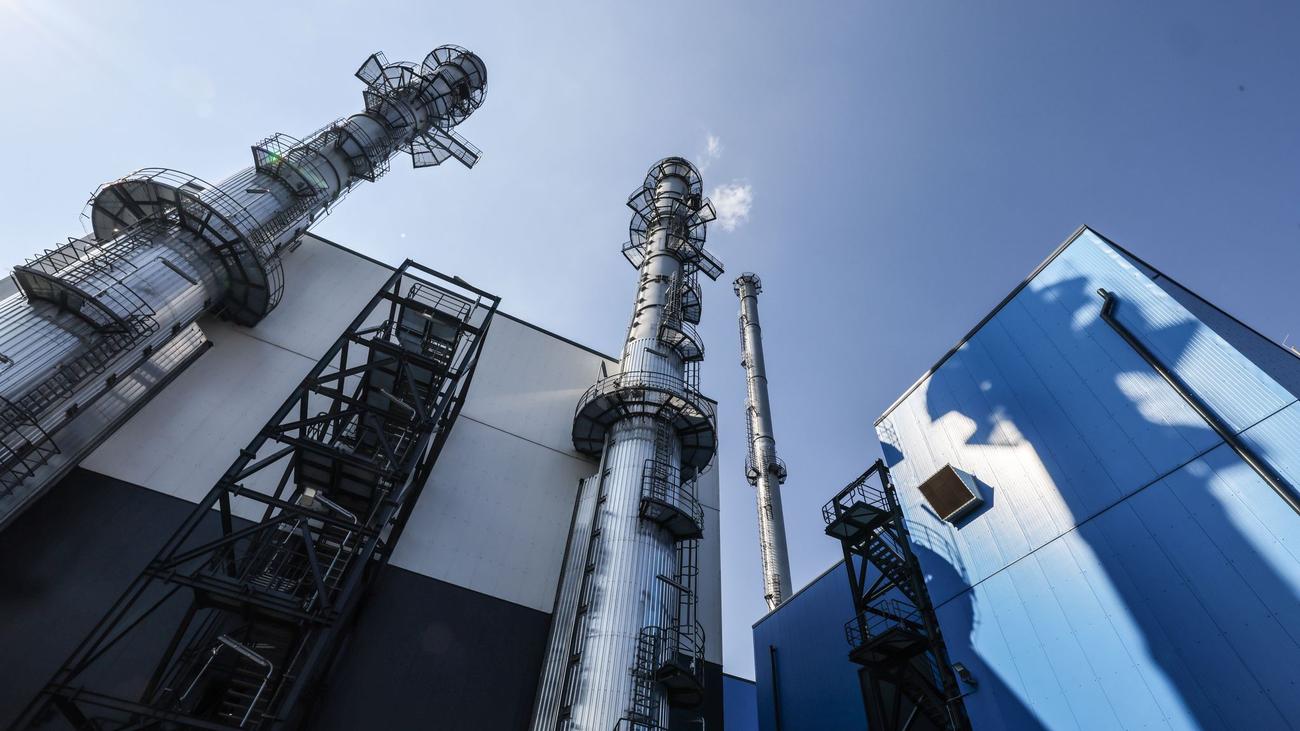
Germany received EU approval for a significant financial package to support new gas power plants, which are intended to bridge energy supply gaps as the country transitions to renewables. The funding, to be covered by electricity users, comes with the condition that these plants must be convertible to run on climate-neutral hydrogen by 2045.
Imagine Germany needs to make sure everyone always has enough electricity, even when the wind isn't blowing or the sun isn't shining. So, they're building new power plants that use gas, like a backup generator for your house. The EU said it's okay for Germany to spend billions of euros to help build these, but there's a catch: by 2045, these plants must switch to a super clean fuel called hydrogen, which doesn't pollute the air. It's like buying a car that runs on gasoline now but can be easily changed to run on water later!
Analysis
The European Commission's approval of Germany's multi-billion euro subsidy package for new gas power plants marks a significant step in the nation's energy strategy. This financial backing, totaling up to 35 billion euros, is designed to ensure the stability of Germany's electricity supply as it moves away from fossil fuels and increases its reliance on intermittent renewable sources like wind and solar. The funding mechanism, a new levy on all electricity users starting in 2031, underscores the collective responsibility for this energy transition, though the exact impact on consumer prices remains uncertain. The Commission's rationale for approval centered on the necessity for supply security and the fair, non-discriminatory allocation of funds, aiming to limit competitive distortions within the EU market.
11 Gigawatts
Germany plans to add 11 gigawatts of new gas-fired power plant capacity, with these facilities expected to be operational by the end of 2031. This substantial increase in capacity is intended to act as a crucial backup, stepping in when renewable energy generation is insufficient. The plants will initially operate on natural gas, which produces greenhouse gases, but a key condition of the funding is that they must be designed from the outset to be convertible to run on climate-neutral hydrogen by 2045. This dual-fuel requirement highlights Germany's commitment to long-term decarbonization while addressing immediate energy security concerns. The selection of power plant operators will occur through an auction process, ensuring a competitive and transparent allocation of the subsidies.
2031
The year 2031 is a pivotal date for Germany's energy landscape, marking both the start of the new levy for gas power plant funding and the expected operational readiness of the 11 gigawatts of new capacity. From 2032, a 'capacity market' will be established, where power plant operators receive payments simply for making their capacity available, even if it's not actively generating electricity. This mechanism is designed to incentivize the maintenance of reserve power, crucial for balancing the grid as the share of renewables grows. The EU's stringent state aid rules, which necessitated the Commission's review, aim to prevent financially strong member states from unfairly advantaging their domestic companies, ensuring a level playing field across the bloc.
2045
The year 2045 represents a critical deadline for the climate neutrality of these new gas power plants. By this date, they are mandated to transition from burning natural gas to operating on hydrogen, a move essential for Germany to meet its ambitious climate targets. This long-term vision is integrated into the initial design and construction requirements, ensuring that the infrastructure is future-proofed for a hydrogen-based energy system. This strategy aligns with Germany's broader energy goals, which include achieving at least 80 percent of electricity from renewable sources by 2030 and completely phasing out coal-fired power generation by 2038. The investment in hydrogen-ready gas plants is therefore a strategic bridge, facilitating the transition while maintaining grid reliability.
Key points
- The EU Commission approved Germany's plan to subsidize new gas power plants with up to 35 billion euros.
- The funding aims to ensure energy supply security from 2031, bridging gaps when renewable energy is low.
- Germany plans to add 11 gigawatts of new gas capacity, operational by the end of 2031.
- These new plants must be designed to switch from natural gas to climate-neutral hydrogen by 2045.
- The subsidies will be financed by a new levy on all electricity users starting in 2031.
- A capacity market will be established from 2032, paying operators to keep power capacity available.
The approval ensures Germany can build necessary backup power capacity, preventing potential electricity shortages as it phases out coal and expands renewable energy. The requirement for these plants to be hydrogen-ready by 2045 also positions Germany at the forefront of future climate-neutral energy solutions, fostering innovation in hydrogen technology.
The new levy on electricity users starting in 2031 could lead to higher electricity prices, burdening consumers and businesses. There's also uncertainty regarding the timely and cost-effective availability of sufficient climate-neutral hydrogen by 2045, potentially leaving Germany reliant on fossil gas longer than intended.