EU bids to finalise new Russia sanctions amid discontent from some member states – Europe live
EU ambassadors are attempting to finalize a new package of sanctions against Russia, while Ukraine sees significant internal military leadership changes and agrees to export drones to the US.
Intelligence analysis by Gemini 2.5 Flash
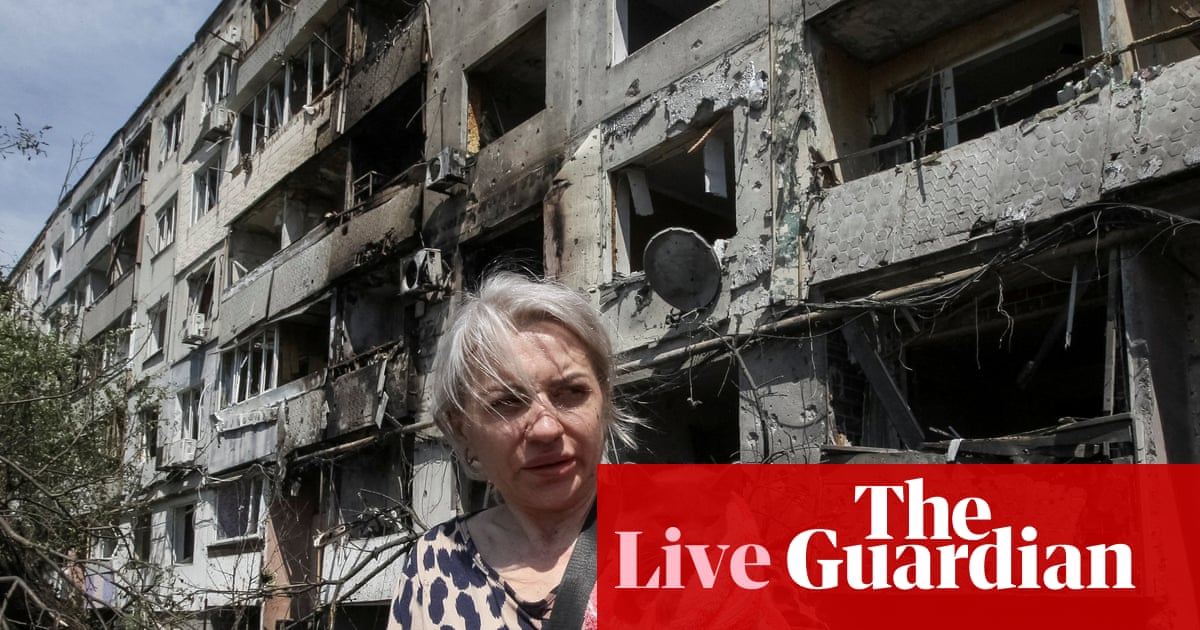
Amidst ongoing conflict, European nations are pushing for further punitive measures against Russia, even as Ukraine navigates a major reshuffle in its military command following public protests and secures a deal to supply drones to the United States.
Imagine a big game where one team, Ukraine, is trying to protect its home. The grown-ups in Europe are trying to make rules to stop the other team, Russia, from playing unfairly, but it's hard for all of them to agree. Meanwhile, Ukraine's coach, Zelenskyy, changed some of his team leaders, which made some fans upset, but he's trying to make the team stronger. Ukraine is also sending some of its cool new flying robots (drones) to help another big country, the US, learn more about them, and they're using these robots to hit the other team's supply trucks.
Analysis
The ongoing conflict in Ukraine continues to drive a complex interplay of international diplomacy, internal political shifts, and evolving military strategies. European Union ambassadors are currently in Brussels, striving to conclude the 21st package of sanctions against Russia. This effort comes after previous attempts to reach a consensus proved unsuccessful, underscoring the persistent challenges in maintaining a unified front among member states regarding punitive measures. The push for new sanctions reflects a continued commitment to exert economic pressure on Moscow, aiming to curtail its ability to fund and sustain its military operations in Ukraine. However, the reported "discontent from some member states" suggests that achieving unanimous agreement on further restrictive measures remains a delicate balancing act, often complicated by diverse national economic interests and geopolitical considerations.
Ukraine's Military Leadership in Flux
Internally, Ukraine is experiencing significant shifts in its military command structure, initiated by President Volodymyr Zelenskyy. In a move that sparked nationwide protests, Zelenskyy recently dismissed Ukraine’s commander-in-chief, Oleksandr Syrskyi, and subsequently offered a "prominent position" to Mykhailo Fedorov, the defense minister he had sacked just a week prior. This reshuffle, which included the appointment of Maj Gen Mykhailo Drapatyi as the new head of Ukraine’s armed forces, aims to reorganize the army's command structure. The protests, described as one of the biggest political crises since the 2022 invasion, highlighted public dissatisfaction with Syrskyi's removal and a strong demand for Fedorov's reinstatement. Zelenskyy's decision to bring Fedorov back into government appears to be an attempt to assuage these public concerns and stabilize the political landscape amidst ongoing hostilities.
Evolving International Support and Strategic Shifts
Beyond internal leadership changes, Ukraine is also bolstering its military capabilities through international partnerships. The country has reportedly agreed to export drones to the United States, participating in the Pentagon’s Drone Dominance programme. This agreement, involving six Ukrainian companies authorized to export approximately 100 drones each, signifies a deepening of military cooperation and a strategic move to enhance drone technology in modern warfare. While official confirmation from Kyiv or Washington is pending, such a deal would underscore the US's commitment to supporting Ukraine's defense efforts and integrating advanced drone capabilities into its own strategic planning. Concurrently, President Zelenskyy has publicly praised recent overnight attacks on Russian "logistics hubs involved in supplying the Russian army with drone components, navigation equipment and other gear," signaling Ukraine's intent to "bring the war back home, to Russia" by targeting critical supply lines and infrastructure. These actions reflect an evolving strategy to disrupt Russian military operations and shift the dynamics of the conflict.
Key points
- EU ambassadors are working to finalize a 21st package of sanctions against Russia, facing dissent from some member states.
- Ukraine has reportedly agreed to export drones to the US for the Pentagon's Drone Dominance program.
- President Zelenskyy fired Ukraine's army chief, Oleksandr Syrskyi, and reinstated former defense minister Mykhailo Fedorov after public protests.
- Zelenskyy appointed Maj Gen Mykhailo Drapatyi as the new head of Ukraine's armed forces to oversee a command structure reorganization.
- Zelenskyy praised recent Ukrainian overnight attacks on Russian logistics hubs, stating Ukraine is "bringing the war back home."
The EU's potential finalization of new sanctions could signal renewed unity and resolve among member states, increasing pressure on Russia and potentially shortening the conflict. Ukraine's agreement to export drones to the US could lead to enhanced military cooperation and technological advancements, strengthening its defense capabilities and those of its allies.
Discontent among some EU member states could derail or weaken the new sanctions package, undermining the collective effort to pressure Russia. The internal political crisis in Ukraine, marked by protests over military leadership changes, could destabilize the country's war effort and create divisions at a critical time.