EU isn’t just selling aircraft to China. It’s helping strengthen a competitor
China Eastern ordered 25 A330neo jets from Airbus, worth US$9.35 billion, as part of a strategic move to strengthen its aviation sector. This order is not a simple hedge against delays but represents capital paid for operational knowledge, trained personnel, and supply-ch…
Intelligence analysis by Llama
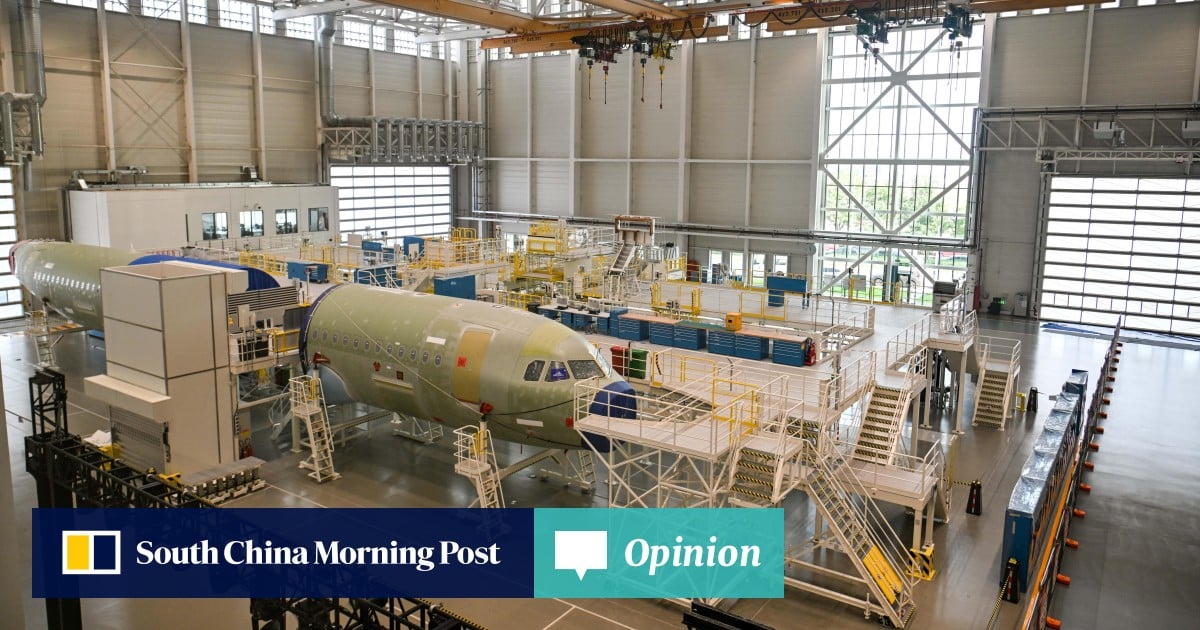
China Eastern's order of 25 A330neo jets from Airbus is a strategic move to strengthen its aviation sector, providing operational knowledge, trained personnel, and supply-chain integration.
China's biggest airline, China Eastern, is buying a lot of planes from a European company called Airbus. This is not just a simple business deal, but a strategic move to help China's aviation industry grow and become more competitive.
Analysis
A $60B Vote of Confidence
China Eastern's recent order of 25 A330neo jets from Airbus, worth US$9.35 billion, is a significant development in the aviation sector. On the surface, it appears to be a simple hedge against delays, but a closer examination reveals a more strategic move. The order represents capital paid for operational knowledge, trained personnel, and supply-chain integration that China's aviation sector will absorb over time.
This is not an isolated incident. China's government has been actively working to supplant European companies in the aviation sector. The relationship between China and Airbus has been built over two decades, with the European company opening its second A320 family assembly line in Tianjin in 2020. This move has deepened the relationship between the two entities, with Airbus holding 55 per cent of China's commercial aircraft market last year.
The order also highlights the leverage that China has over the European Union. The delay in certifying Chinese planes has led to a situation where China Eastern is transferring billions to a European company that is trying to supplant it. This is not inconsistency but leverage, applied through different instruments towards the same long-term goal.
The implications of this development are significant. China's aviation sector is expected to continue growing, and the country's efforts to supplant European companies will have far-reaching consequences. The relationship between China and Airbus will continue to be a key factor in this development, with both entities working to strengthen their positions in the market.
Why Cursor?
China's efforts to supplant European companies in the aviation sector are not limited to Airbus. The country has been actively working to develop its own commercial aircraft, with the C919 being a key example. The C919 is a widebody jet that competes in a segment where Airbus currently has a strong presence. China's government has been providing significant support to the development of the C919, with the aircraft being used as a testbed for the country's aviation industry.
The implications of this development are significant. China's efforts to develop its own commercial aircraft will have far-reaching consequences for the global aviation industry. The country's ability to supplant European companies will depend on its ability to develop a competitive product and to establish a strong presence in the market.
The Road Ahead
The future of the aviation industry in China is uncertain. The country's efforts to supplant European companies will continue to be a key factor in this development, with both entities working to strengthen their positions in the market. The relationship between China and Airbus will continue to be a key factor in this development, with both entities working to strengthen their positions in the market.
The implications of this development are significant. China's aviation sector is expected to continue growing, and the country's efforts to supplant European companies will have far-reaching consequences. The relationship between China and Airbus will continue to be a key factor in this development, with both entities working to strengthen their positions in the market.
Key points
- China Eastern ordered 25 A330neo jets from Airbus, worth US$9.35 billion.
- The order represents capital paid for operational knowledge, trained personnel, and supply-chain integration.
- China's government is actively working to supplant European companies in the aviation sector.
- The relationship between China and Airbus has been built over two decades.
- China's efforts to develop its own commercial aircraft will have far-reaching consequences for the global aviation industry.
If China's efforts to develop its own commercial aircraft are successful, it could lead to a more competitive aviation industry, with better prices and more choices for consumers.
However, if China's efforts to supplant European companies in the aviation sector fail, it could lead to a loss of jobs and investment in the industry, with negative consequences for the global economy.
